

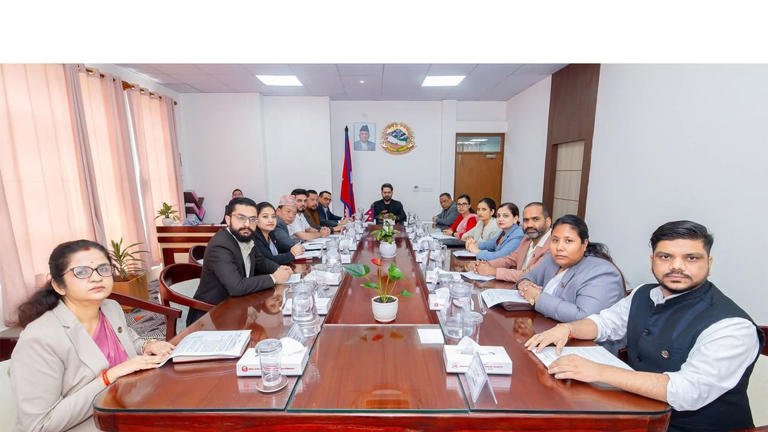
Nepal Prime Minister Balendra “Balen” Shah and members of his Cabinet have decided to donate one month’s salary towards relief and recovery efforts following the devastating floods that have caused widespread destruction and loss of life across the country.
The decision is being seen as a gesture of solidarity with thousands of citizens affected by the disaster, as government agencies and rescue teams continue operations in flood-hit areas.
The contribution from the Prime Minister and ministers comes at a critical time for Nepal, with authorities facing the enormous task of providing emergency assistance, rehabilitating displaced families and restoring damaged infrastructure.
PM Balen Shah Announces Salary Donation
Prime Minister Balen Shah and his ministers will contribute one month’s salary to support people affected by the devastating floods.
The decision reflects an effort by the country’s political leadership to demonstrate solidarity with victims as rescue and relief operations continue.
The funds are expected to be directed towards relief-related activities and assistance for communities affected by the floods.
The move also comes as the government seeks support from different sections of society to strengthen the national response to the disaster.
Floods Leave Widespread Destruction
The floods have caused extensive damage in several parts of Nepal.
Heavy water flow and sudden flooding have damaged homes, roads, bridges and other essential infrastructure. Several communities have been cut off, while transportation and communication networks have been disrupted.
The destruction has made it difficult for emergency teams to reach some affected locations.
For families who have lost homes or livelihoods, the crisis is likely to continue even after floodwaters recede.
Rescue Operations Continue
Search and rescue operations remain a major priority for the Nepal government.
Security forces, emergency responders and local volunteers are working to evacuate stranded residents and search for people reported missing.
The challenging terrain and damaged infrastructure have complicated rescue operations, particularly in remote and mountainous areas.
Authorities are also working to restore road connectivity so that emergency supplies and medical assistance can reach isolated communities.
Relief Supplies Needed in Affected Areas
Flood-affected communities urgently require essential supplies, including food, drinking water, medicines, temporary shelter and sanitation materials.
Displaced families may also need clothing and other basic necessities after losing their homes and belongings.
The government’s relief response will need to ensure that supplies reach the most vulnerable communities without unnecessary delays.
Local administrations and community organisations are expected to play an important role in identifying urgent needs and distributing assistance.
Salary Donation Adds to Relief Efforts
The Prime Minister and ministers’ decision to donate their salaries adds a personal contribution from the country’s political leadership to the wider relief effort.
While the financial value of one month’s salary may represent only a small portion of the overall cost of disaster recovery, the gesture carries symbolic significance.
It signals solidarity with citizens facing severe losses and may encourage other institutions and individuals to contribute to relief operations.
The government will also require considerably larger resources for infrastructure reconstruction and long-term rehabilitation.
Infrastructure Restoration a Major Challenge
One of the biggest challenges following the floods will be restoring damaged infrastructure.
Roads and bridges are essential for transporting relief supplies and reconnecting isolated communities. Their destruction can delay rescue operations and make it difficult for affected residents to access hospitals, markets and other services.
Power, telecommunications and water supply systems may also require extensive repairs.
Rebuilding these facilities will require significant financial resources and coordination between government agencies.
Farmers and Rural Communities Face Losses
Floods can have a particularly severe impact on agricultural communities.
Crops, livestock, farmland and agricultural equipment may be damaged or destroyed, leaving farmers without immediate sources of income.
Rural businesses and small enterprises can also suffer losses when roads and markets are disrupted.
Recovery programmes will therefore need to extend beyond emergency food and shelter assistance and include support for restoring livelihoods.
Long-Term Rehabilitation Will Be Essential
The effects of the floods are expected to continue long after emergency rescue operations conclude.
Families whose homes have been destroyed may require temporary accommodation followed by permanent housing assistance.
People who have lost livelihoods may need financial support, employment opportunities or assistance to restart businesses.
The government will also need to assess the resilience of rebuilt infrastructure to reduce the impact of future floods.
International Support for Nepal
Nepal’s disaster has also prompted support from neighbouring countries and international partners.
India has offered humanitarian and technical assistance, including relief supplies, medical support and specialised rescue resources.
Such assistance can strengthen Nepal’s capacity to respond to the immediate emergency while helping restore essential infrastructure.
International cooperation will remain important as the country moves from rescue operations towards recovery and reconstruction.
Government Faces Major Financial Challenge
The scale of the destruction means that Nepal will require substantial financial resources for recovery.
The contribution from the Prime Minister and ministers is a symbolic step, but large-scale reconstruction will require government funding, international assistance and potentially contributions from private organisations and citizens.
Transparent management of relief funds will be important to ensure that assistance reaches affected communities.
Effective coordination will also be necessary to avoid duplication and ensure that resources are directed towards areas of greatest need.
Public Cooperation Crucial
The government is likely to require broad public cooperation during the recovery process.
Local communities can assist emergency teams by sharing information about stranded residents and helping identify vulnerable families.
Volunteers and civil society organisations can also support relief distribution and community-level recovery efforts.
Public participation can make the response more effective, particularly in remote areas where government resources may take longer to reach.
Need for Stronger Disaster Preparedness
The devastating floods have also highlighted the importance of improving Nepal’s disaster preparedness.
Early-warning systems, emergency communication networks and disaster-resilient infrastructure can help reduce casualties during future extreme weather events.
Local communities can also benefit from disaster preparedness training and clearly defined evacuation procedures.
Investing in preparedness could reduce both the human and economic cost of future disasters.
Political Leadership Signals Solidarity
The decision by Prime Minister Balen Shah and his ministers to donate one month’s salary sends a message of solidarity at a difficult time for Nepal.
The contribution comes as government agencies continue to manage rescue operations and provide emergency assistance to affected communities.
While the immediate priority is saving lives and meeting basic needs, the government will eventually have to undertake a much larger reconstruction effort.
Nepal Begins Long Recovery Road
The devastating floods have created a major humanitarian and infrastructure challenge for Nepal.
Prime Minister Balen Shah and his ministers’ decision to donate one month’s salary provides a symbolic contribution to the relief effort while highlighting the seriousness of the crisis.
The country now faces the difficult task of rescuing missing people, supporting displaced families, restoring essential services and rebuilding damaged infrastructure.
For affected communities, immediate relief will remain the priority. But as floodwaters recede, the focus will gradually shift towards rehabilitation and long-term recovery.
The government’s response, supported by citizens, civil society groups and international partners, will be crucial in helping Nepal recover from the disaster and build greater resilience against future floods.