

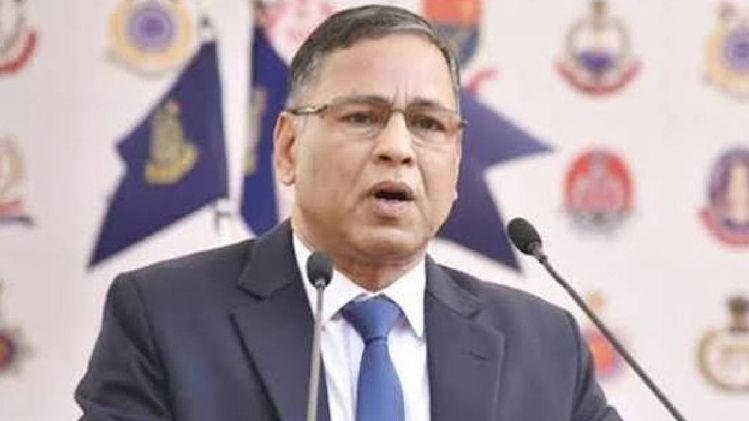
Former Intelligence Bureau (IB) Director Tapan Deka has been inducted into Prime Minister Narendra Modi’s expert panel tasked with recommending reforms to India’s examination system. The panel has been constituted to strengthen the integrity, transparency, and security of public examinations while addressing challenges such as paper leaks, malpractice, and the growing need for technology-driven assessment mechanisms.
Deka’s inclusion is expected to bring valuable expertise in security, intelligence, and institutional administration to the committee as it prepares recommendations for overhauling the country’s examination framework.
Panel to focus on strengthening examination integrity
The expert panel has been entrusted with examining the existing examination ecosystem and suggesting measures to improve transparency, fairness, and efficiency in the conduct of competitive and public examinations.
The committee is expected to recommend mechanisms to prevent paper leaks, enhance cybersecurity, improve coordination among examination authorities, and strengthen monitoring systems. It will also review existing procedures and propose reforms aimed at ensuring greater credibility in recruitment and entrance examinations.
Officials believe the recommendations will contribute to building a more secure and reliable examination process across the country.
Tapan Deka’s experience seen as a key asset
Tapan Deka brings decades of experience in intelligence, national security, and administrative leadership to the panel. During his tenure in the Intelligence Bureau, he was associated with handling several complex security challenges and institutional reforms.
His experience in risk assessment, intelligence gathering, and security management is expected to prove valuable in developing strategies to safeguard examination systems from organised malpractice, cyber threats, and information leaks.
The government believes that expertise from the security establishment can strengthen preventive mechanisms and improve the overall resilience of examination processes.
Background of the reform initiative
The decision to constitute the expert panel follows increasing concerns over irregularities in competitive examinations, including allegations of question paper leaks and examination malpractice in different parts of the country.
Such incidents have raised questions regarding the credibility of recruitment and entrance examinations, prompting calls for stronger safeguards and systemic reforms.
The government has maintained that ensuring fair and transparent examinations remains a priority and has initiated multiple measures to strengthen examination security and accountability.
Comprehensive review of examination framework
The panel is expected to undertake a comprehensive review of the existing examination framework, covering technological infrastructure, operational procedures, legal provisions, and institutional coordination.
Experts are likely to evaluate international best practices while considering reforms tailored to India’s large-scale examination ecosystem.
The recommendations may include improvements in digital security, encryption systems, candidate verification, examination logistics, and emergency response protocols in the event of irregularities.
Emphasis on technology and security
Technology is expected to play a central role in the committee’s recommendations. The panel may examine the use of advanced digital tools, artificial intelligence, data analytics, and secure communication systems to minimise vulnerabilities during examination processes.
Strengthening cybersecurity infrastructure and introducing more robust digital monitoring mechanisms are likely to be among the key areas of discussion.
Officials have indicated that technology-driven reforms can significantly improve both transparency and operational efficiency.
Restoring public confidence
One of the primary objectives of the expert panel is to restore public confidence in India’s examination system. Competitive examinations determine admission to educational institutions and recruitment to government services for millions of candidates every year, making their credibility a matter of national importance.
The government aims to ensure that deserving candidates receive equal opportunities through examinations conducted in a secure, transparent, and fair manner.
Observers believe that institutional reforms and stronger security measures will help improve trust in the examination process.
Recommendations expected to shape future reforms
The committee’s recommendations are expected to influence future policy decisions concerning public examinations across the country. Its findings may contribute to reforms in examination governance, operational standards, technological safeguards, and legal frameworks governing examination authorities.
Education experts have welcomed efforts to strengthen the integrity of examinations while emphasising the need for effective implementation of the panel’s recommendations.
The government’s focus remains on creating an examination system that is efficient, secure, and capable of meeting the demands of a rapidly evolving educational landscape.
Move signals renewed focus on examination reforms
The inclusion of former IB Director Tapan Deka in Prime Minister Narendra Modi’s expert panel underscores the government’s emphasis on enhancing the security and credibility of India’s examination system. By bringing together expertise in intelligence, administration, and policy, the panel is expected to develop comprehensive recommendations that address longstanding challenges affecting public examinations.
As the committee begins its work, its recommendations are likely to play a significant role in shaping future examination reforms, with the overarching goal of ensuring transparency, fairness, and trust in one of the country’s most critical public institutions.