

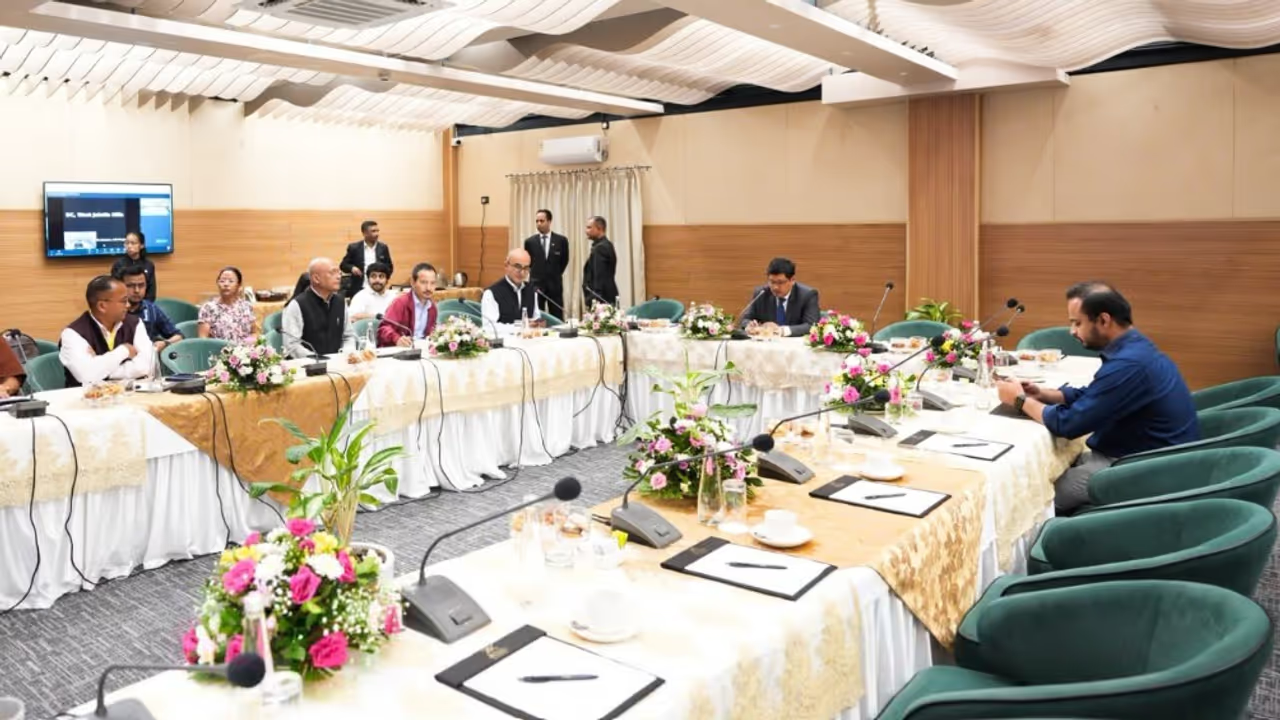
The Garo & Jaintia Reforms have advanced after the Garo Hills Autonomous District Council (GHADC) and Jaintia Hills Autonomous District Council (JHADC) officially adopted new administrative guidelines. The reforms include the appointment of a Principal Secretary to strengthen governance and improve administrative efficiency.
The Garo & Jaintia Reforms have become a significant governance development in Meghalaya after the GHADC and JHADC formally accepted updated administrative guidelines. Moreover, the reforms include provisions for appointing a Principal Secretary to enhance institutional administration. The initiative reflects an effort to strengthen governance, improve coordination, and streamline administrative processes within the Autonomous District Councils.
KSU Influx Agitations: Khasi Students’ Union Protests Commercial Projects Near Tribal Lands
Garo & Jaintia Reforms Receive Official Approval
The Garo & Jaintia Reforms moved forward after both Autonomous District Councils formally adopted the new administrative framework. Furthermore, the decision marks a coordinated effort to modernize governance practices within the councils.
Administrative reforms play an important role in improving institutional efficiency. Consequently, updated guidelines can support more effective governance.
Moreover, structured reforms help strengthen organizational accountability. Therefore, the approval has attracted attention across Meghalaya.
New Administrative Guidelines Introduced
A central feature of the Garo & Jaintia Reforms is the implementation of updated administrative guidelines for the GHADC and JHADC. Furthermore, the framework aims to improve institutional functioning and standardize administrative procedures.
Clear governance policies contribute to efficient administration. Similarly, well-defined procedures help strengthen decision-making.
Consequently, the reforms are expected to support smoother council operations. Thus, administrative modernization remains a key objective.
Principal Secretary Appointment Strengthens Governance
The Garo & Jaintia Reforms include the appointment of a Principal Secretary as part of the revised administrative structure. Moreover, the position is intended to strengthen coordination and improve administrative oversight within the councils.
Leadership roles contribute to effective institutional management. Additionally, streamlined administration can improve policy implementation and operational efficiency.
Consequently, the new position represents an important element of the reform package. Therefore, governance enhancement remains a central focus.
Reforms Aim to Improve Institutional Efficiency
The Garo & Jaintia Reforms emphasize the importance of modern administrative systems in supporting the functioning of Autonomous District Councils. Furthermore, institutional improvements can contribute to better governance and service delivery.
Efficient administration supports long-term organizational development. Similarly, updated governance structures improve accountability and transparency.
Moreover, coordinated implementation strengthens institutional performance. Thus, the reforms reflect a broader commitment to administrative improvement.
Meghalaya Continues Governance Modernization
The Garo & Jaintia Reforms align with Meghalaya’s broader efforts to modernize governance within autonomous institutions. Furthermore, continued policy improvements may strengthen local administration and institutional capacity.
Good governance requires periodic reviews and administrative updates. Consequently, reform initiatives remain an important aspect of public administration.
Additionally, collaboration between the state government and Autonomous District Councils can support effective implementation. Therefore, sustained governance reforms remain a priority.
Looking Ahead
The Garo & Jaintia Reforms are expected to shape future administrative practices within the GHADC and JHADC. Moreover, the implementation of the new guidelines and the appointment of a Principal Secretary may contribute to stronger institutional governance.
As the councils adopt the revised framework, authorities are likely to monitor its implementation and effectiveness. Similarly, periodic reviews may help refine administrative processes over time.
Consequently, the reforms represent an important step toward strengthening governance in Meghalaya’s Autonomous District Councils. Thus, institutional modernization is expected to continue.
Conclusion
The Garo & Jaintia Reforms mark a significant administrative development following the adoption of new governance guidelines by the GHADC and JHADC. The reforms, including the appointment of a Principal Secretary, reflect a commitment to improving institutional efficiency and accountability.
Moreover, updated administrative structures can strengthen coordination and support better policy implementation. Consequently, the initiative represents a positive step toward enhancing governance within the Autonomous District Councils.
Looking ahead, effective implementation and continuous evaluation will determine the long-term impact of the Garo & Jaintia Reforms on local administration and institutional performance in Meghalaya.
FAQs
1. What are the Garo & Jaintia Reforms?
The Garo & Jaintia Reforms refer to the adoption of new administrative guidelines by the GHADC and JHADC, including the appointment of a Principal Secretary.
2. Which councils approved the reforms?
The Garo Hills Autonomous District Council (GHADC) and the Jaintia Hills Autonomous District Council (JHADC) adopted the new guidelines.
3. What is the purpose of the reforms?
The reforms aim to strengthen governance, improve administrative efficiency, and enhance institutional coordination.
4. What is the significance of appointing a Principal Secretary?
The position is intended to improve administrative oversight and support more effective council operations.
5. Why are these reforms important?
They seek to modernize governance practices and strengthen the functioning of Meghalaya’s Autonomous District Councils.