

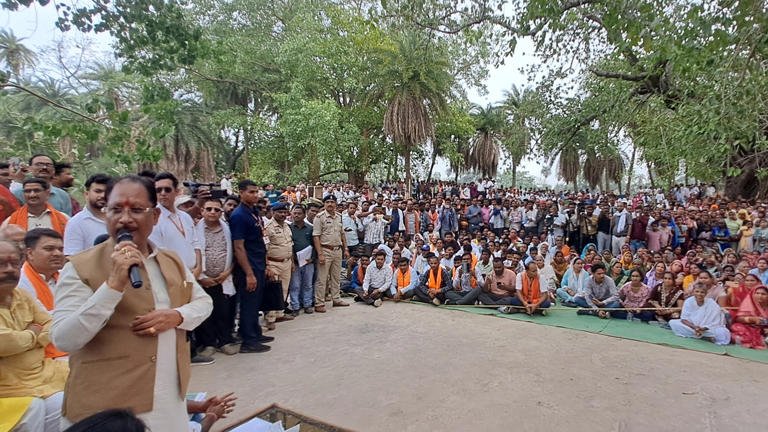
As Chhattisgarh Chief Minister continued his outreach visits to rural areas, villagers from different parts of the state lined up with a wide range of requests, reflecting both local aspirations and everyday challenges. From demands for a Geographical Indication (GI) tag for traditional rice varieties to appeals for improved irrigation facilities and sewing machines for women’s self-help groups, residents used the opportunity to directly communicate their concerns and expectations to the state’s highest elected leader.
The village visits have emerged as a significant platform for grassroots engagement, allowing the government to gather feedback directly from citizens while assessing the implementation of welfare schemes and development programs. The interactions highlighted the diverse needs of rural communities and underscored the importance of responsive governance.
Officials accompanying the Chief Minister noted that the visits have provided valuable insights into local priorities, helping shape future development initiatives and policy decisions.
Villagers Seek GI Tag for Traditional Rice Varieties
One of the notable demands raised during the interactions was the request for a GI tag for locally cultivated rice varieties. Farmers and community representatives argued that several traditional rice varieties grown in Chhattisgarh possess unique characteristics and cultural significance that deserve formal recognition.
A Geographical Indication tag can help protect the identity of agricultural products while enhancing their market value and visibility. Farmers believe that obtaining GI status would strengthen branding efforts, create new marketing opportunities, and potentially improve incomes.
Agriculture remains a cornerstone of Chhattisgarh’s economy, and many rural communities depend heavily on rice cultivation for their livelihoods. The demand for GI recognition reflects growing awareness among farmers about the economic benefits associated with protecting and promoting traditional agricultural products.
Officials indicated that the request would be examined in consultation with relevant departments and agricultural experts.
Irrigation Emerges as a Major Concern
Improved irrigation facilities featured prominently among the issues raised by villagers during the Chief Minister’s visit. Farmers emphasized that reliable water access remains critical for increasing agricultural productivity and reducing dependence on unpredictable rainfall.
Many residents highlighted challenges related to inadequate irrigation infrastructure, seasonal water shortages, and the need for better management of water resources. They urged the government to invest in canals, check dams, lift irrigation systems, and other projects that can support farming activities.
Agricultural experts have long pointed out that enhanced irrigation infrastructure can significantly improve crop yields and strengthen rural economies. Farmers believe that better irrigation facilities would help them diversify cultivation patterns and improve resilience against climate-related challenges.
The Chief Minister reportedly assured residents that their concerns would be reviewed and addressed through appropriate development initiatives.
Women Request Sewing Machines for Livelihood Support
Women’s groups and self-help organizations also used the opportunity to present their demands, with many requesting sewing machines to support income-generating activities. The appeal reflects growing efforts among rural women to participate in entrepreneurship and small-scale economic activities.
Self-help groups have become important vehicles for women’s empowerment in many parts of Chhattisgarh. Access to sewing machines can help women engage in tailoring, garment production, and related enterprises, creating additional income opportunities for families.
Representatives of women’s groups emphasized that livelihood support initiatives can contribute significantly to economic independence and social development. They argued that providing equipment and training can help strengthen local entrepreneurship while encouraging greater participation in economic activities.
Officials noted that empowering women through livelihood programs remains an important component of the state’s development agenda.
Direct Interaction Strengthens Governance
The Chief Minister’s village visits are being viewed as an important mechanism for strengthening communication between the government and citizens. Direct interactions allow residents to present their concerns without intermediaries while providing officials with a clearer understanding of local realities.
Such engagements help identify gaps in service delivery, monitor the implementation of government schemes, and gather feedback regarding ongoing projects. Residents often view these interactions as valuable opportunities to raise issues that may otherwise receive limited attention.
Government officials accompanying the Chief Minister have reportedly documented various requests and grievances for follow-up action. The administration believes that direct engagement can improve responsiveness and enhance the effectiveness of governance.
Observers note that grassroots outreach initiatives often contribute to stronger public trust and more informed policy-making.
Rural Development Remains a Priority
The demands presented during the village visits highlight the continued importance of rural development in Chhattisgarh. Agriculture, irrigation, livelihood generation, and infrastructure remain central concerns for many communities across the state.
Officials have emphasized that rural development requires a comprehensive approach involving investments in infrastructure, social services, agriculture, and economic opportunities. Addressing local needs effectively can contribute to broader goals related to poverty reduction and inclusive growth.
The Chief Minister’s outreach program reflects the government’s effort to ensure that development policies remain closely aligned with the aspirations of rural residents. By engaging directly with citizens, authorities can better understand priorities and allocate resources accordingly.
Several development departments are expected to review the requests submitted during the visits and assess possible interventions.
Agriculture and Livelihoods in Focus
The prominence of agriculture-related demands underscores the sector’s continuing importance in rural Chhattisgarh. Farmers remain concerned about productivity, market access, water availability, and income stability.
At the same time, requests related to sewing machines and livelihood support illustrate the growing diversification of rural economies. Many households increasingly seek supplementary income sources alongside traditional farming activities.
Experts suggest that combining agricultural development with livelihood diversification can enhance resilience and improve living standards. Programs supporting entrepreneurship, skill development, and value addition can help rural communities create new economic opportunities.
The government’s challenge lies in balancing immediate needs with long-term development objectives.
Importance of Local Participation
The interactions between the Chief Minister and villagers also highlight the value of public participation in development planning. Citizens are often best positioned to identify local challenges and propose practical solutions based on their experiences.
By encouraging residents to voice their concerns, governments can gain insights that may not emerge through formal administrative processes alone. Local participation can also strengthen accountability and improve the design of development programs.
Officials noted that community feedback gathered during the visits would contribute to future planning efforts and help ensure that initiatives address actual needs on the ground.
Such participatory approaches are increasingly recognized as essential for achieving sustainable and inclusive development.
Looking Ahead
The requests presented to the Chhattisgarh Chief Minister during his village visits—from GI tags for traditional rice varieties to irrigation infrastructure and sewing machines—offer a snapshot of the aspirations and challenges facing rural communities. While the demands vary in nature, they share a common goal: improving livelihoods and enhancing opportunities for local residents.
As government departments review the issues raised during the outreach program, attention will focus on translating citizen feedback into actionable policies and projects. The success of such efforts will depend on effective implementation, resource allocation, and continued engagement with communities.
The village visits have demonstrated the importance of direct interaction between citizens and policymakers. By listening to local voices and responding to grassroots concerns, the government aims to strengthen development outcomes and ensure that growth remains inclusive and responsive to the needs of rural Chhattisgarh.
For many residents, the opportunity to present their requests directly to the Chief Minister represents more than a symbolic gesture—it is a chance to influence decisions that affect their daily lives and future prospects.