


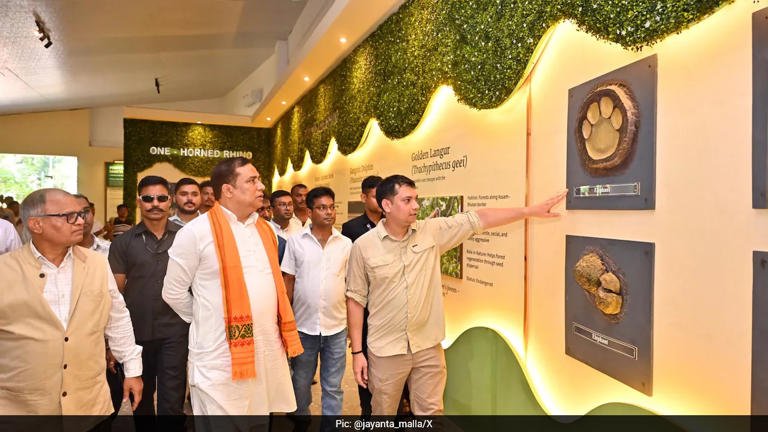
In a major step towards environmental conservation and sustainable development, the Assam government has launched a mega plantation drive alongside the Indigenous Fruit Mission, reaffirming its commitment to increasing the state’s green cover, preserving biodiversity, and promoting climate resilience. The twin initiatives aim to combine ecological restoration with livelihood generation by encouraging the large-scale plantation of trees and the cultivation of indigenous fruit-bearing species across the state.
The programmes are expected to involve active participation from government departments, educational institutions, local communities, self-help groups, farmers, and environmental organisations. By integrating afforestation with the conservation of native fruit species, the government seeks to create a long-term model of environmental sustainability that benefits both nature and rural communities.
Officials described the initiatives as an important milestone in Assam’s broader vision of balancing economic growth with ecological responsibility while strengthening the state’s resilience against climate change.
Mega Plantation Drive to Expand Green Cover
The plantation drive aims to significantly increase Assam’s green cover through the large-scale planting of saplings in both urban and rural areas. Trees will be planted along roadsides, educational institutions, government premises, riverbanks, community lands, forests, parks, and other suitable public spaces.
Authorities have encouraged district administrations to identify locations that can support long-term plantation efforts while ensuring proper maintenance and monitoring of the saplings. Native species have been given priority to improve survival rates and strengthen local ecosystems.
The campaign also seeks to encourage citizens to adopt a greater sense of environmental responsibility by participating directly in plantation activities and caring for the trees after they are planted.
Indigenous Fruit Mission Promotes Native Species
A distinctive feature of the government’s green initiative is the launch of the Indigenous Fruit Mission, which focuses on conserving and expanding the cultivation of traditional fruit-bearing trees native to Assam.
Many indigenous fruit species possess significant ecological, nutritional, medicinal, and cultural value. However, changing land-use patterns, urbanisation, and reduced cultivation have contributed to the gradual decline of several native varieties over the years.
The mission seeks to revive these species by encouraging their plantation in villages, schools, farms, community lands, and homesteads. Officials believe that preserving indigenous fruit trees will strengthen biodiversity while also supporting nutritional security and rural livelihoods.
The programme will also help safeguard valuable genetic resources that are well adapted to Assam’s climate and environmental conditions.
Combining Conservation with Livelihood Generation
Unlike conventional plantation programmes that primarily focus on increasing tree cover, the Indigenous Fruit Mission seeks to create economic opportunities alongside environmental benefits. Fruit-bearing trees can provide long-term income for rural households while contributing to food security and sustainable agriculture.
Farmers, self-help groups, and community organisations are expected to benefit through the cultivation, processing, and marketing of indigenous fruits. The initiative may also encourage the development of value-added products such as juices, jams, pickles, dried fruits, and traditional food items.
Officials believe that linking conservation with livelihood generation increases community participation and ensures greater long-term success for environmental programmes.
Addressing Climate Change and Environmental Challenges
The plantation drive forms part of Assam’s broader strategy to address the growing impacts of climate change. Increasing tree cover contributes significantly to carbon sequestration, improved air quality, groundwater recharge, soil conservation, and regulation of local temperatures.
Assam has experienced increasing environmental challenges in recent years, including floods, riverbank erosion, changing rainfall patterns, and loss of natural habitats. Large-scale afforestation is expected to strengthen ecological resilience while helping reduce the impact of extreme weather events.
Indigenous tree species also provide important habitats for birds, pollinators, and wildlife, contributing to healthier ecosystems and improved biodiversity.
Students and Communities at the Centre of the Campaign
The success of the green initiative depends heavily on public participation. Educational institutions, youth organisations, village committees, and civil society groups have been encouraged to actively participate in plantation activities and environmental awareness campaigns.
Students are expected to play a particularly important role by planting saplings within school campuses and nearby communities while learning about biodiversity, climate change, and environmental stewardship. Teachers will guide students in understanding the importance of protecting forests and conserving native plant species.
Community ownership of plantation sites is expected to improve the survival of saplings by ensuring regular watering, protection from grazing, and proper maintenance during the initial years of growth.
Scientific Planning and Sustainable Plantation
Officials have emphasised that the plantation drive is based on scientific planning rather than simply achieving numerical targets. Native species suited to local climatic and soil conditions have been selected to maximise survival rates and ecological benefits.
The government also plans to establish monitoring mechanisms to track the health and survival of planted saplings. Regular inspections, community participation, and maintenance programmes will be essential to ensuring that the initiative delivers lasting environmental benefits.
Environmental experts have welcomed the emphasis on indigenous species, noting that native trees generally require less maintenance, support greater biodiversity, and are more resilient to local climatic conditions than many exotic species.
Supporting Rural Development and Agriculture
The Indigenous Fruit Mission is expected to complement Assam’s agricultural and rural development programmes by encouraging diversification and sustainable farming practices. Fruit trees can provide farmers with additional sources of income while improving soil fertility and supporting integrated farming systems.
The initiative also has the potential to strengthen local food systems by increasing the availability of nutritious fruits that have traditionally formed part of Assam’s dietary and cultural heritage.
Agricultural extension services and technical support are expected to assist farmers in selecting suitable species, adopting improved cultivation techniques, and accessing market opportunities for indigenous fruit products.
A Long-Term Vision for a Greener Assam
The launch of the mega plantation drive and the Indigenous Fruit Mission reflects Assam’s long-term commitment to environmental conservation, sustainable agriculture, and climate resilience. Rather than viewing afforestation solely as an environmental activity, the government has adopted an integrated approach that combines ecological restoration with economic development and community participation.
As the initiatives expand across the state, their success will depend on continued public involvement, effective maintenance, scientific management, and sustained policy support. By encouraging the plantation of both forest trees and indigenous fruit species, Assam aims to create healthier ecosystems, strengthen rural livelihoods, preserve its rich natural heritage, and build a greener future for generations to come.
If implemented effectively, the twin programmes have the potential to become landmark environmental initiatives that not only enhance the state’s green cover but also demonstrate how conservation and development can progress hand in hand for the benefit of both people and nature.