

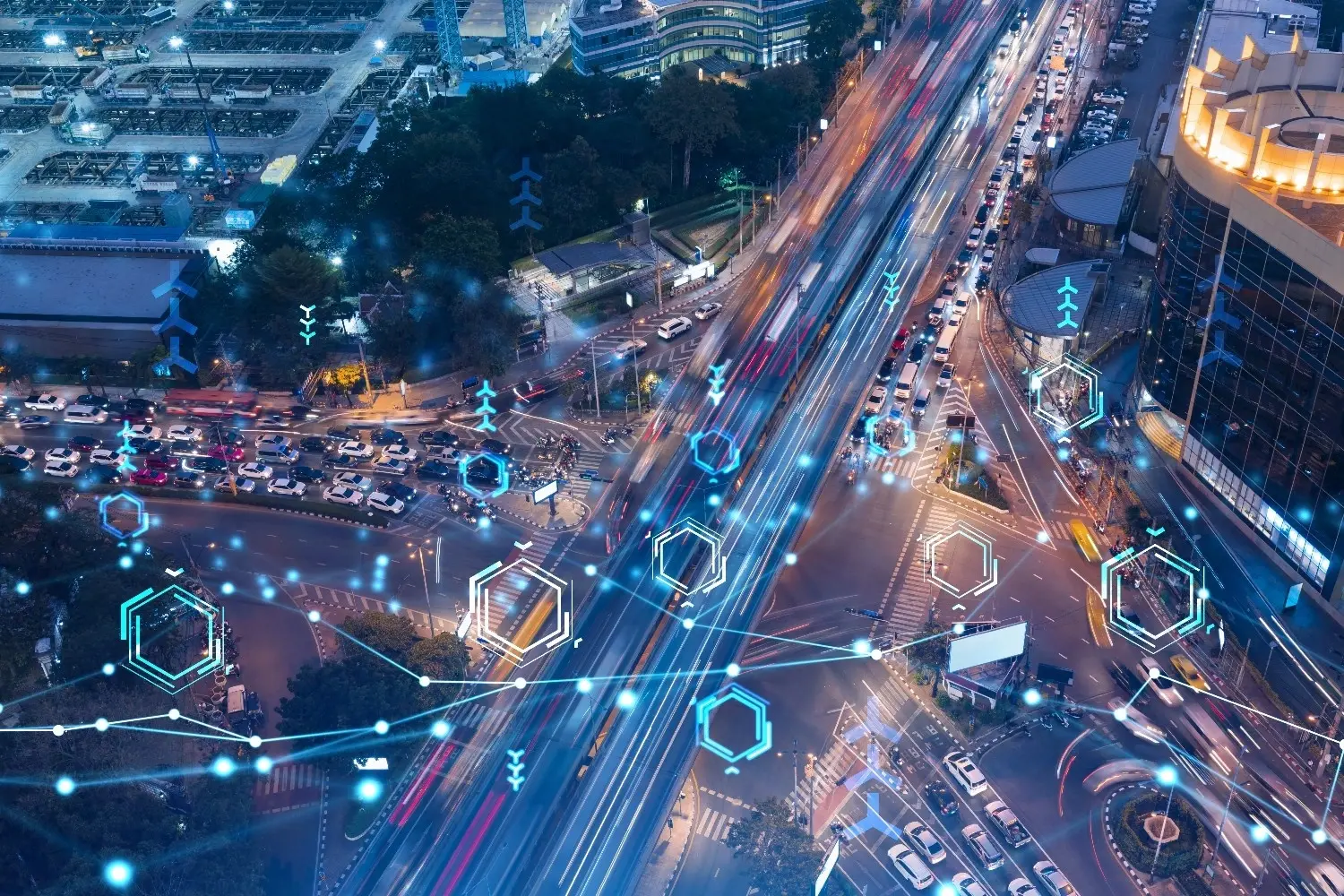
Guwahati traffic police have introduced new AI-integrated signal systems aimed at addressing persistent peak hour congestion across major intersections in the city. The initiative focuses on improving traffic flow efficiency through real-time monitoring and adaptive signal control. Moreover, officials stated that the technology will help reduce travel delays and enhance road safety. The rollout marks a significant step toward smart traffic management in Assam’s largest urban center.
CPI(M) Accuses Identity Politics of Weakening Secular Fabric in Northeastern Hills
AI-Based Traffic Signals Deployed Across Key Intersections
Guwahati traffic police introduce new AI-integrated signal systems to tackle peak hour congestion, beginning deployment at high-traffic junctions across the city. Consequently, the system is designed to automatically adjust signal timings based on live traffic density.
The AI-enabled signals use sensors and cameras to monitor vehicle movement in real time. Moreover, the system analyzes congestion patterns and dynamically modifies light cycles. Therefore, traffic flow is expected to become more balanced during peak hours.
Officials highlighted that the technology reduces manual intervention in traffic control. Furthermore, it allows faster response to sudden congestion spikes. As a result, intersections are expected to experience smoother vehicular movement.
Meanwhile, pilot installations are being closely monitored for performance. Consequently, data collected will help refine system efficiency before wider deployment.
Smart Traffic Management Aims to Reduce Urban Congestion
The introduction of AI-integrated systems is part of a broader smart traffic management strategy in Guwahati. Moreover, the city has been facing increasing vehicular pressure due to rapid urbanization. Therefore, advanced solutions are being prioritized to manage congestion effectively.
Peak hour traffic has long been a challenge in key commercial and residential corridors. Consequently, delays and bottlenecks often disrupt daily commuting patterns. Such issues have necessitated technology-driven interventions.
Furthermore, adaptive signal control is expected to optimize travel time across major routes. As a result, commuters may experience reduced waiting periods at intersections.
Meanwhile, traffic authorities continue to analyze congestion hotspots. Similarly, long-term planning includes integrating additional smart mobility tools.
Technology Enhances Road Safety and Monitoring Efficiency
Guwahati traffic police introduce new AI-integrated signal systems to tackle peak hour congestion while also improving road safety standards. Moreover, the system enhances surveillance capabilities at major junctions. Therefore, it supports better enforcement and monitoring of traffic violations.
AI-enabled cameras can detect traffic violations such as signal jumping and improper lane usage. Consequently, enforcement teams can respond more efficiently to infractions. Such automation improves compliance with traffic rules.
Furthermore, the system generates real-time analytics for decision-making. As a result, authorities can identify recurring congestion patterns and take corrective action.
Meanwhile, integration with existing traffic control rooms ensures centralized monitoring. Similarly, emergency response coordination is expected to improve.
Step Toward Smart City Infrastructure in Guwahati
The rollout of AI-integrated traffic signals aligns with Guwahati’s broader smart city development goals. Moreover, urban infrastructure modernization has been a key focus area in recent years. Therefore, intelligent transport systems are being prioritized.
The initiative reflects growing adoption of digital technologies in urban governance. Consequently, cities are increasingly relying on automation to improve efficiency. Such developments support long-term sustainability goals.
Furthermore, improved traffic flow contributes to reduced fuel consumption and emissions. As a result, environmental benefits are also expected alongside convenience.
Meanwhile, authorities plan to expand the system to more intersections in the future. Similarly, integration with navigation platforms may further enhance commuter experience.
Conclusion
Guwahati traffic police introduce new AI-integrated signal systems to tackle peak hour congestion, marking a major advancement in urban traffic management. Moreover, the initiative is expected to improve mobility, reduce delays, and enhance road safety.
The deployment of smart traffic signals reflects the city’s shift toward technology-driven governance. Therefore, it represents an important step in addressing long-standing congestion challenges.
As Guwahati traffic police introduce new AI-integrated signal systems to tackle peak hour congestion, the initiative signals a move toward a more efficient and intelligent urban transport network.
FAQs
1. What new system has been introduced in Guwahati?
AI-integrated traffic signal systems have been introduced.
2. What is the main purpose of the system?
To reduce peak hour traffic congestion and improve flow.
3. How does the system work?
It uses AI, sensors, and cameras to adjust signal timings in real time.
4. Which areas benefit from this system?
Major intersections across Guwahati city.
5. What are the additional benefits?
Improved road safety, reduced delays, and better traffic monitoring.