

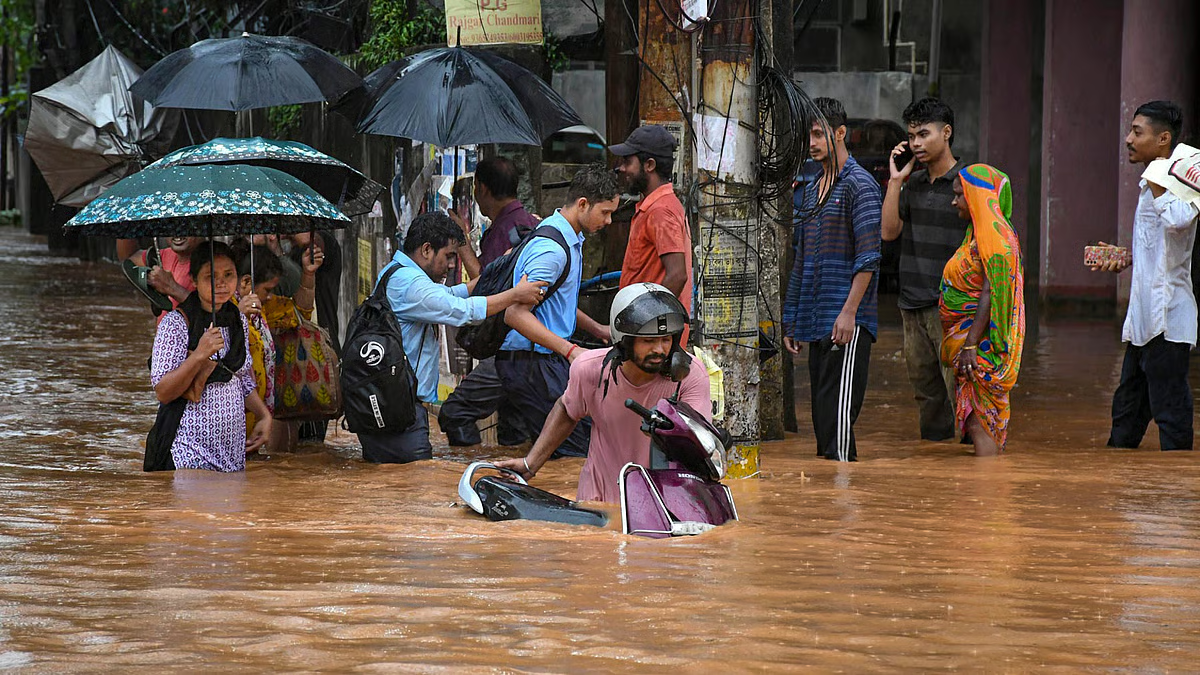
The Guwahati Urban Floods situation caused widespread disruption across major commercial pockets of Guwahati after a four-hour cloudburst overwhelmed parts of the city. Intense rainfall quickly created waterlogging and disrupted movement, affecting commercial activity and daily life.
The sudden accumulation of water placed additional pressure on urban drainage systems. Moreover, heavy rainfall over a short period can overwhelm drainage capacity, particularly in densely built-up areas with limited natural water flow.
The flooding highlighted the vulnerability of Guwahati’s urban infrastructure during intense rainfall events. However, the available information does not specify the exact rainfall total, the commercial areas affected, or the extent of property and economic losses.
Assam Flood Toll: Official Death Toll Climbs to 95 Across State
Guwahati Urban Floods Disrupt Commercial Activity
The Guwahati Urban Floods significantly affected major commercial areas following the four-hour cloudburst.
Waterlogging can make roads difficult to navigate and prevent customers, employees, and delivery vehicles from reaching commercial establishments. Furthermore, businesses may face interruptions when floodwater affects access to shops, offices, storage areas, or surrounding roads.
The disruption can therefore extend beyond transportation.
However, the available information does not provide details about the number of businesses affected.
Guwahati Urban Floods Put Drainage Systems Under Pressure
The Guwahati Urban Floods highlight the challenges that intense rainfall can create for urban drainage systems.
Drainage networks need to move rainwater away from roads and built-up areas quickly. Additionally, when rainfall exceeds the capacity of drains, water can accumulate across low-lying sections of a city.
The four-hour cloudburst appears to have placed significant pressure on existing drainage infrastructure.
However, the available information does not identify specific drainage channels or infrastructure that failed during the event.
Guwahati Urban Floods Disrupt Urban Mobility
The Guwahati Urban Floods also affected movement across commercial parts of the city.
Waterlogged roads can slow vehicles and make certain routes difficult to use. Moreover, disruptions can affect public transport, private vehicles, delivery services, and emergency movement.
Commercial areas can experience wider effects when transport networks become congested or inaccessible.
However, the available information does not specify which roads experienced the most severe disruption.
Guwahati Urban Floods Affect Daily Life
The Guwahati Urban Floods created difficulties for residents who needed to travel through affected areas.
Workers, students, shoppers, and service providers can all face delays when water accumulates on urban roads. Furthermore, prolonged waterlogging can force people to alter travel routes or postpone planned activities.
These disruptions demonstrate how quickly intense rainfall can affect normal city life.
However, the available information does not provide figures on the number of commuters affected.
Guwahati Urban Floods Raise Infrastructure Concerns
The Guwahati Urban Floods have renewed attention on the resilience of urban infrastructure.
Effective flood management requires more than individual drainage channels. Additionally, cities need coordinated storm-water systems, regular drain maintenance, appropriate land-use planning, and measures that preserve natural water-retention areas.
These factors can influence how effectively a city handles intense rainfall.
However, the available information does not identify specific infrastructure projects under consideration following the flooding.
Guwahati Urban Floods Highlight Need for Drain Maintenance
The Guwahati Urban Floods also underline the importance of maintaining drainage networks before periods of heavy rainfall.
Blocked or poorly maintained drains can reduce the speed at which water leaves roads and commercial areas. Moreover, regular inspection and cleaning can help authorities identify potential bottlenecks before intense rainfall occurs.
Maintenance can therefore complement larger infrastructure improvements.
However, the available information does not establish whether blocked drains contributed to the reported flooding.
Guwahati Urban Floods Could Affect Local Businesses
The Guwahati Urban Floods may have created short-term economic challenges for businesses operating in affected commercial pockets.
Reduced customer movement and disrupted deliveries can affect daily sales and business operations. Furthermore, water entering commercial premises can create additional cleaning and repair requirements.
The overall economic impact will depend on the duration and severity of the waterlogging.
However, no verified estimate of business losses is available in the information provided.
Guwahati Urban Floods Emphasize Weather Preparedness
The Guwahati Urban Floods demonstrate the importance of preparing cities for short-duration, high-intensity rainfall.
Weather warnings can help residents and businesses plan travel and protect vulnerable property. Additionally, city authorities can use rainfall forecasts to prepare drainage and emergency-response teams before severe weather arrives.
Preparedness can reduce disruption even when authorities cannot prevent flooding completely.
However, the available information does not indicate whether any advance weather warning preceded the cloudburst.
Guwahati Urban Floods Require Coordinated Response
The Guwahati Urban Floods require coordination among municipal authorities, emergency teams, traffic personnel, and local communities.
Flood response can involve clearing waterlogged routes, managing traffic, assisting affected residents, and monitoring vulnerable areas. Moreover, coordination can help authorities prioritize roads and locations where flooding creates the greatest risks.
Effective response can reduce the duration of disruption.
However, the available information does not provide details about the emergency measures deployed during the event.
Guwahati Urban Floods Keep Climate Resilience in Focus
The Guwahati Urban Floods have again highlighted the importance of building resilience against extreme rainfall.
Urban expansion can increase the amount of paved and built-up surface through which rainwater cannot naturally absorb into the ground. Furthermore, protecting wetlands, improving drainage capacity, and maintaining natural water channels can form part of a broader flood-management strategy.
Long-term planning can help cities cope with increasingly disruptive rainfall events.
However, the available information does not establish any direct link between this specific cloudburst and long-term climate trends.
Conclusion
The Guwahati Urban Floods disrupted major commercial pockets of the city after a four-hour cloudburst overwhelmed parts of the urban drainage system. The intense rainfall affected movement and commercial activity while highlighting the challenges Guwahati faces during sudden heavy downpours.
Moreover, the incident underscores the importance of effective drainage, regular maintenance, weather preparedness, and coordinated emergency response. However, the available information does not provide the total rainfall, exact locations affected, number of businesses impacted, or verified economic losses.
Overall, the Guwahati Urban Floods demonstrate how quickly intense rainfall can disrupt a major urban centre. Strengthening drainage infrastructure, improving maintenance, protecting natural water-retention areas, and enhancing preparedness can help reduce the impact of future flooding.
FAQs
1. What caused the Guwahati Urban Floods?
The flooding followed a four-hour cloudburst that produced intense rainfall across parts of Guwahati.
2. Which areas were affected?
The available information identifies major commercial pockets of Guwahati, but it does not specify individual locations.
3. How did the flooding affect the city?
The flooding disrupted commercial activity and movement across affected areas.
4. Did the flooding cause economic losses?
Businesses may have faced disruption, but the available information does not provide a verified estimate of economic losses.
5. Can better drainage reduce urban flooding?
Improved drainage capacity, regular maintenance, natural water retention, and effective urban planning can help reduce the impact of intense rainfall.