

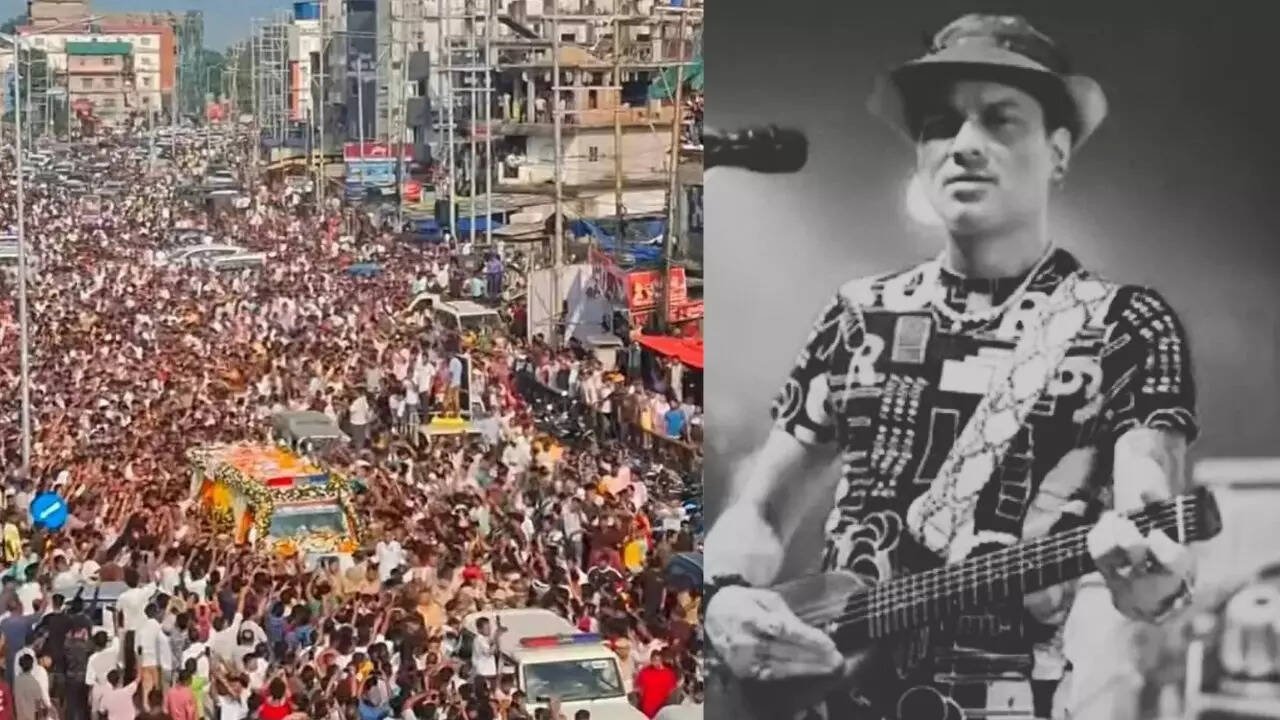
The Guwahati Zubeen Garg Mural controversy has sparked widespread public outrage in Assam after the sudden removal of a popular artwork dedicated to the celebrated Assamese singer. The mural, which had become a recognizable landmark for residents and fans, was reportedly taken down without prior public consultation, triggering protests and criticism across Guwahati. Citizens, cultural activists, and supporters of the artist have expressed concern over the decision, arguing that the artwork represented not only a tribute to a renowned musician but also an important symbol of Assamese cultural identity. The incident has quickly evolved into a broader discussion about public art, heritage preservation, and civic engagement.
Sonitpur Elephant Electrocution Incident Raises Concerns
Meghalaya’s ₹39,800 Crore Bonanza: Centre Approves Major Highway Package
Removal of Popular Artwork Triggers Public Reaction
The removal of the mural dedicated to singer Zubeen Garg generated immediate public attention across the city. As news of the action spread, residents voiced disappointment and questioned the circumstances surrounding the decision. The Guwahati Zubeen Garg Mural had gained popularity among locals and visitors, becoming a familiar visual feature in the urban landscape.
Many citizens expressed their views through social media platforms and community forums, where discussions centered on the significance of the artwork. Supporters argued that public murals contribute to the cultural character of a city and help celebrate individuals who have made notable contributions to society.
The reaction extended beyond online discussions, with groups of residents gathering to voice concerns about the removal. Protesters emphasized the need for transparency in decisions involving public art and called for greater consultation with local communities before similar actions are taken in the future.
The incident has highlighted how cultural symbols can hold deep emotional value for communities, particularly when they honor individuals closely associated with regional identity and artistic achievement.
Zubeen Garg’s Cultural Significance in Assam
The Guwahati Zubeen Garg Mural debate has also renewed attention on the singer’s longstanding influence in Assamese music and culture. Over the years, Zubeen Garg has built a significant following through his contributions to music, cinema, and cultural expression.
His work has resonated with audiences across generations, making him one of the most recognizable public figures in Assam. Songs performed by the artist have often reflected regional themes, social issues, and cultural traditions, strengthening his connection with local communities.
For many supporters, the mural represented more than a visual tribute. It symbolized appreciation for an artist whose work has played a prominent role in shaping contemporary Assamese cultural identity. Consequently, its removal has been viewed by some as a loss of a meaningful public landmark.
Cultural observers note that public artworks dedicated to notable personalities often become part of a city’s collective memory. Such installations can serve as points of community engagement while helping preserve local heritage and artistic achievements.
The strong public response illustrates the extent to which cultural symbols can influence civic discourse and community sentiment.
Protests Highlight Concerns Over Public Art Preservation
As the Guwahati Zubeen Garg Mural issue gained momentum, protests emerged in different parts of the city. Demonstrators called for clarity regarding the reasons behind the mural’s removal and urged authorities to consider measures that support the preservation of culturally significant public art.
Participants argued that murals and similar artistic installations contribute to the identity of urban spaces. They noted that public art can encourage cultural awareness, promote local talent, and strengthen connections between residents and their communities.
The controversy has prompted broader discussions about how cities manage public artistic works. Questions have been raised regarding approval processes, maintenance responsibilities, and mechanisms for community participation in decisions affecting cultural landmarks.
Urban planners and cultural advocates frequently emphasize the importance of balancing development objectives with heritage preservation. In many cities, public consultation has become an important component of decisions involving artworks that hold social or cultural significance.
The current debate reflects growing public interest in ensuring that cultural assets receive adequate consideration during urban planning and administrative decision-making.
Wider Debate on Heritage and Community Participation
Beyond the immediate controversy, the incident has encouraged discussions about civic engagement and the role of communities in shaping public spaces. Many residents believe that decisions affecting culturally important landmarks should involve greater public communication and consultation.
The situation has also highlighted the broader relationship between art, identity, and urban development. Public artworks often serve as visual representations of local history, creativity, and shared values. As a result, their removal can generate strong emotional responses among residents who identify with those symbols.
Experts in cultural preservation note that inclusive decision-making processes can help reduce misunderstandings and foster greater trust between authorities and communities. Transparent communication may also contribute to more effective management of public heritage assets.
The debate surrounding the mural demonstrates how artistic expressions can become focal points for larger conversations about cultural preservation and public participation. As discussions continue, many observers expect renewed attention to policies governing public art and heritage management in urban areas.
The controversy surrounding the Guwahati Zubeen Garg Mural has evolved beyond the removal of a single artwork into a broader discussion about cultural identity, heritage preservation, and public involvement in civic decisions. Public protests and widespread reactions reflect the significance that many residents attach to artistic tributes honoring influential cultural figures. As authorities and community members continue to engage with the issue, the incident may contribute to future conversations about protecting public art and ensuring greater transparency in decisions that affect culturally meaningful landmarks across Assam.
Q1. Why did protests erupt in Guwahati?
Residents protested following the sudden removal of a mural dedicated to singer Zubeen Garg.
Q2. Who is Zubeen Garg?
He is a prominent Assamese singer, composer, and cultural figure widely recognized across the region.
Q3. Why was the mural significant?
Many people viewed it as a tribute to an influential artist and a symbol of Assamese cultural identity.
Q4. What does Guwahati Zubeen Garg Mural refer to?
It refers to the public artwork honoring the singer that was recently removed, sparking protests.
Q5. What issues have emerged from the controversy?
The incident has raised concerns about public art preservation, transparency, and community consultation.
Q6. Why is public art important in cities?
Public art can strengthen cultural identity, enhance urban spaces, and promote community engagement.