

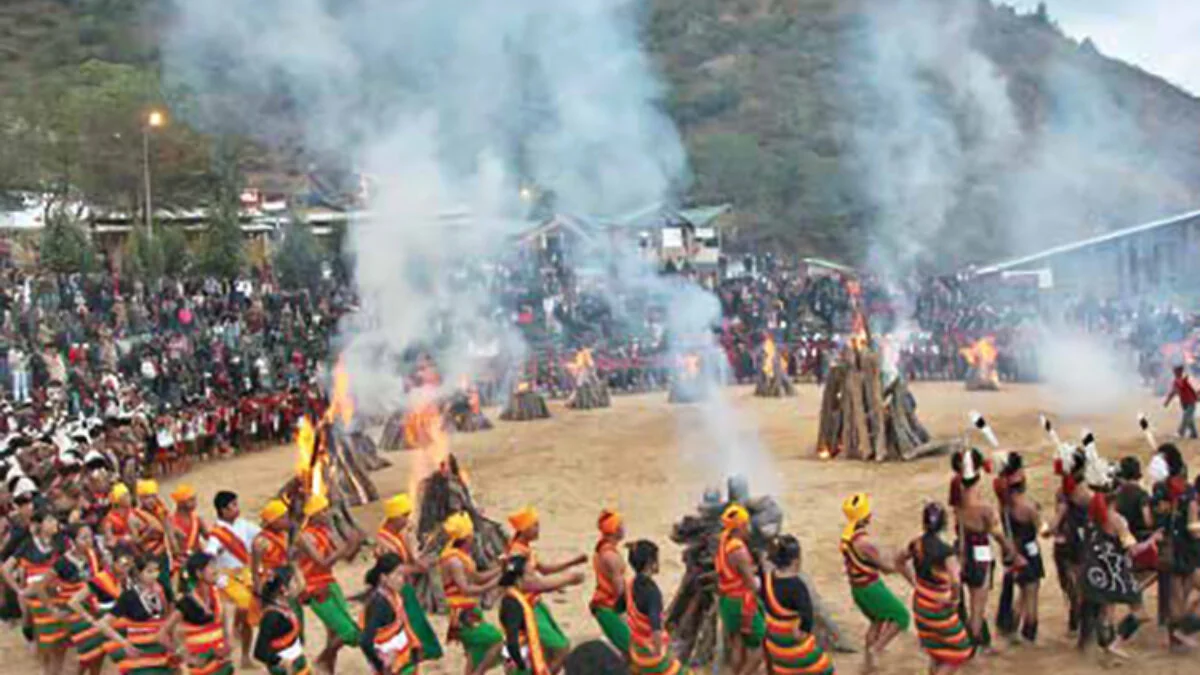
Nagaland Hornbill Festival dates were officially finalized after the state government confirmed the schedule and venue for the upcoming edition of the internationally recognized cultural celebration. Meanwhile, tourism and cultural affairs officials stated that preparations have already accelerated across administrative departments to ensure smooth organization of the large-scale festival, which annually attracts thousands of visitors from India and abroad. The announcement immediately generated excitement among tourism operators, cultural groups, and local businesses because the Hornbill Festival remains one of Northeast India’s biggest cultural events. Additionally, authorities indicated that infrastructure, hospitality, and security arrangements are being reviewed ahead of the tourism season.
The development emerged as Nagaland continues strengthening its position as a leading cultural tourism destination in Northeast India. Furthermore, tourism experts observed that the festival plays a major role in promoting indigenous heritage, local crafts, and economic activity across the state.
Bengal Silk Sector Gets Financial Push Under New MSME Credit Scheme
Kolkata Book Fair Returns with Confirmed Dates
Government Confirms Festival Schedule and Venue
State authorities formally announced the official schedule and venue for the next edition of the Hornbill Festival. Nagaland Hornbill Festival dates therefore quickly became a major discussion topic within tourism and cultural sectors.
Meanwhile, officials explained that the festival will continue showcasing the cultural traditions, music, dance, cuisine, and tribal heritage of Nagaland through large-scale public events and exhibitions. Additionally, administrative agencies reportedly initiated coordination meetings regarding logistics, tourism management, and event operations.
Tourism department representatives stated that preparations involve collaboration between cultural organizations, district administrations, and security agencies. Furthermore, officials emphasized that visitor safety and festival infrastructure remain important priorities during the planning process.
Earlier, the Hornbill Festival consistently attracted strong tourist participation and international attention because of its unique cultural identity and immersive experiences. Consequently, the latest announcement immediately boosted travel-related interest for the upcoming season.
At the same time, authorities encouraged tourists to begin planning visits early because accommodation demand traditionally rises sharply during the festival period.
Hornbill Festival Holds Major Cultural Importance
The festival continues serving as one of the most prominent showcases of Naga tribal heritage and indigenous traditions. Nagaland Hornbill Festival dates therefore carry cultural significance beyond tourism and entertainment activities alone.
Meanwhile, cultural organizations highlighted that the festival celebrates the customs, languages, rituals, and artistic expressions of Nagaland’s diverse tribal communities. Additionally, traditional performances, folk music, indigenous sports, and craft exhibitions remain central attractions during the multi-day event.
Historians observed that the Hornbill Festival was originally developed to strengthen cultural preservation and inter-tribal unity within Nagaland. Furthermore, the annual event increasingly gained international recognition for promoting indigenous heritage and cultural diplomacy.
Several cultural researchers noted that festivals of this scale help preserve traditional knowledge systems and local artistic practices for younger generations. Consequently, the event remains deeply important for regional identity and cultural continuity.
At the same time, tribal leaders emphasized the importance of maintaining authenticity while expanding tourism outreach and global visibility.
Tourism Sector Expects Strong Visitor Turnout
Travel operators and hospitality businesses expressed optimism following the official festival announcement. Nagaland Hornbill Festival dates therefore immediately influenced tourism planning and booking activity across the state.
Meanwhile, hotels, homestays, and transport providers anticipated increased visitor demand from domestic and international travelers during the festival season. Additionally, tourism stakeholders reported growing inquiries regarding accommodation, cultural tours, and festival travel packages.
Tourism analysts observed that the Hornbill Festival significantly contributes to seasonal economic growth through hospitality, transport, retail, and cultural tourism activity. Furthermore, visitors often extend travel plans to explore nearby destinations and scenic regions across Northeast India.
Several business groups highlighted that the festival creates major commercial opportunities for local artisans, food vendors, performers, and entrepreneurs. Consequently, the event remains an important driver of tourism-linked economic development in Nagaland.
However, hospitality experts also stressed the need for efficient crowd management and sustainable tourism practices during peak visitor periods.
Security and Infrastructure Planning Intensifies
Authorities confirmed that extensive security and infrastructure preparations are already underway ahead of the festival. Nagaland Hornbill Festival dates therefore prompted coordinated planning involving police, tourism agencies, and civic departments.
Meanwhile, officials stated that transportation systems, road connectivity, sanitation services, and emergency response mechanisms are being assessed before the event begins. Additionally, security personnel may increase deployment near major gathering areas and tourism routes during the festival period.
Administrative representatives emphasized that visitor management and public safety remain critical because of the festival’s growing scale and international visibility. Furthermore, authorities reportedly reviewed traffic management systems and accommodation capacity within the host region.
Several governance experts observed that major cultural festivals increasingly require sophisticated logistical coordination because of rising attendance and operational complexity. Consequently, planning efforts intensified well before the official opening ceremony.
At the same time, local communities continued participating actively in preparation activities linked to the event.
Music, Food, and Indigenous Arts Remain Key Attractions
The festival continues attracting visitors because of its combination of traditional culture and modern entertainment experiences. Nagaland Hornbill Festival dates therefore generated excitement among travelers interested in music, cuisine, and indigenous arts.
Meanwhile, organizers confirmed that cultural performances, traditional dances, local food festivals, handicraft exhibitions, and live music programs will remain central highlights of the celebration. Additionally, indigenous sporting events and heritage showcases are expected to attract significant public participation.
Music enthusiasts often view the festival as one of Northeast India’s major cultural entertainment events because of contemporary concerts and folk fusion performances. Furthermore, culinary tourism also expanded as visitors increasingly explored traditional Naga cuisine and local food culture.
Several tourism researchers noted that experiential cultural festivals frequently strengthen destination branding and long-term tourism identity. Consequently, the Hornbill Festival continues growing beyond a regional celebration into a nationally recognized tourism attraction.
At the same time, cultural activists encouraged responsible tourism behavior respecting local traditions and community values.
Festival Expected to Strengthen Regional Tourism Profile
Experts believe the upcoming festival may further strengthen Nagaland’s tourism visibility within India and internationally. Nagaland Hornbill Festival dates therefore hold broader significance for regional tourism development and cultural promotion strategies.
Meanwhile, policymakers emphasized the importance of leveraging cultural tourism for economic growth, employment generation, and international outreach. Additionally, tourism planners reportedly explored expanded marketing campaigns targeting both domestic and foreign travelers.
Economic analysts observed that large-scale cultural festivals frequently create long-term benefits involving infrastructure development, business investment, and regional branding. Furthermore, successful tourism events often encourage repeat visitation and broader interest in Northeast India’s cultural diversity.
Several development specialists also highlighted the importance of sustainable tourism policies protecting indigenous heritage while supporting economic expansion. Consequently, future tourism planning increasingly focuses on balancing commercial growth with cultural preservation.
At the same time, anticipation surrounding the festival continued building across travel communities and tourism networks.
Conclusion
Nagaland Hornbill Festival dates were officially finalized as authorities accelerated preparations for one of Northeast India’s biggest cultural celebrations. Meanwhile, tourism officials, cultural organizations, and local businesses expressed optimism regarding strong visitor turnout and economic activity during the festival season. The internationally recognized event continues promoting Naga tribal heritage, indigenous traditions, music, food, and cultural tourism across the region. Ultimately, observers believe the upcoming festival may further strengthen Nagaland’s reputation as a leading cultural tourism destination in India.
FAQs
What did the Nagaland government announce?
Authorities finalized the official schedule and venue for the upcoming Hornbill Festival.
Why is the Hornbill Festival important?
The festival showcases Naga tribal culture, music, traditions, crafts, and indigenous heritage.
Where is the festival usually held?
The event is traditionally organized at the Kisama Heritage Village near Kohima.
Why does the festival attract tourists?
Visitors attend for cultural performances, food, music, crafts, and unique indigenous experiences.
How does the festival help the local economy?
Hotels, transport services, artisans, and local businesses benefit from increased tourism activity.
Are authorities preparing special arrangements?
Yes, officials are strengthening infrastructure, security, and visitor management systems before the event.