

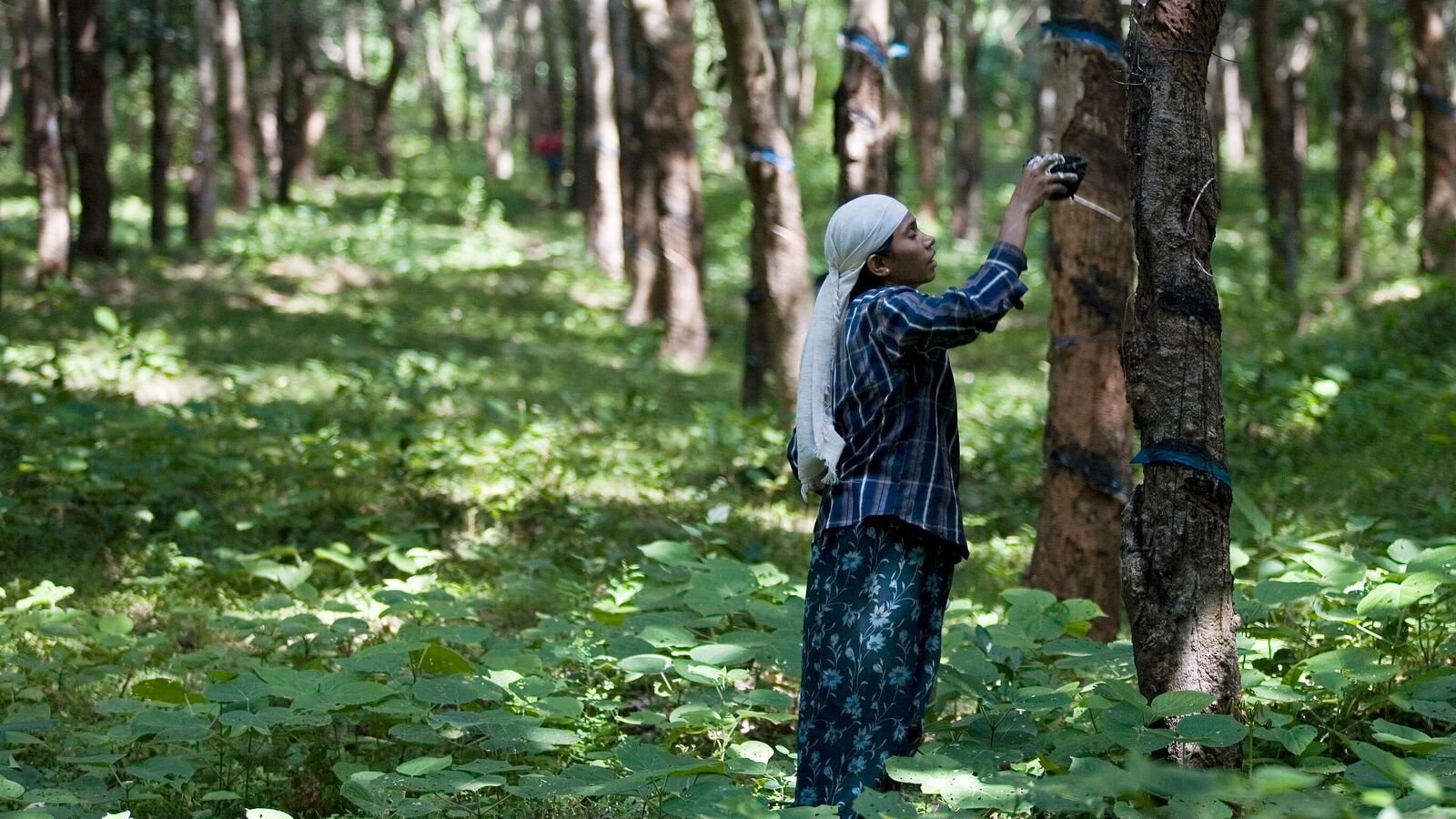
Tripura rubber farmer subsidies were officially announced after the state government introduced new financial support measures aimed at strengthening rubber cultivation and improving income stability for local growers. Meanwhile, agriculture and industry officials stated that the latest incentives seek to expand plantation productivity, encourage modern farming practices, and support small-scale farmers facing market fluctuations and rising production costs. The announcement immediately generated strong interest across Tripura’s agricultural sector because rubber cultivation remains one of the state’s most important rural economic activities. Additionally, farmer organizations and cooperative groups welcomed the subsidy initiative as a potentially significant relief measure for plantation communities.
The development emerged amid broader efforts to modernize agricultural production and improve rural livelihoods across Northeast India. Furthermore, economic experts observed that Tripura continues holding strategic importance within India’s natural rubber industry because of its growing plantation network and favorable climatic conditions.
Hornbill Festival Preparations Begin Across Nagaland
Meghalaya Tourism Surge Draws Record Visitors
Government Introduces Fresh Financial Assistance Measures
State authorities formally announced a new subsidy package targeting rubber cultivators across Tripura. Tripura rubber farmer subsidies therefore quickly became a major discussion point within agricultural and rural development sectors.
Meanwhile, officials explained that the support measures aim to help farmers manage cultivation expenses, improve plantation maintenance, and increase long-term productivity. Additionally, administrative departments reportedly began coordinating implementation mechanisms involving farmer registration and subsidy distribution procedures.
Agriculture representatives stated that the initiative may particularly benefit small and medium-scale cultivators vulnerable to unstable market prices and operational challenges. Furthermore, officials emphasized the importance of sustaining rubber production as a major contributor to the state’s rural economy.
Earlier, farmer groups repeatedly urged authorities to introduce stronger financial safeguards because fluctuating rubber prices affected plantation profitability in several districts. Consequently, the latest announcement generated cautious optimism among cultivation communities.
At the same time, policymakers highlighted the need for balanced agricultural support ensuring both productivity growth and long-term sustainability.
Rubber Cultivation Remains Vital to Tripura Economy
Rubber production continues playing a major economic role across large parts of Tripura. Tripura rubber farmer subsidies therefore carry wider significance beyond immediate financial assistance for growers.
Meanwhile, industry analysts observed that thousands of rural households depend directly or indirectly on rubber plantations for income generation and employment. Additionally, the sector contributes significantly to agricultural trade, local business activity, and regional economic stability.
Several agricultural researchers noted that Tripura emerged as one of India’s leading natural rubber-producing states because of extensive plantation expansion during recent decades. Furthermore, favorable climatic conditions and government-backed plantation programs strengthened cultivation growth throughout the region.
Economic experts also emphasized that rubber cultivation supports processing industries, transport activity, and allied commercial sectors linked to agricultural supply chains. Consequently, policy decisions affecting the rubber industry often create broad economic impact across rural communities.
However, market volatility and production challenges continue creating uncertainty for smaller plantation owners and marginal growers.
Farmers Welcome Relief Amid Market Challenges
Farmer associations and plantation workers reacted positively following the subsidy announcement. Tripura rubber farmer subsidies therefore received broad support from cultivation communities seeking stronger economic protection.
Meanwhile, cultivators stated that rising input costs, labor expenses, and fluctuating rubber prices placed increasing financial pressure on plantation operations. Additionally, many growers emphasized the importance of government intervention for maintaining profitability during unstable market conditions.
Agricultural cooperatives observed that subsidy assistance may help farmers invest in plantation upkeep, quality improvement, and modern cultivation techniques. Furthermore, local organizations encouraged authorities to ensure transparent and timely implementation of financial support programs.
Several rural development specialists noted that targeted agricultural subsidies often help stabilize vulnerable farming sectors during periods of economic uncertainty. Consequently, expectations increased regarding broader rural support measures linked to agricultural modernization.
At the same time, some farmer groups called for additional market protection and long-term pricing mechanisms supporting sustainable rubber cultivation.
Modernization and Productivity Efforts Gain Focus
Officials indicated that the subsidy initiative may support modernization efforts within Tripura’s rubber sector. Tripura rubber farmer subsidies therefore aligned with broader agricultural development and productivity enhancement strategies.
Meanwhile, agriculture departments reportedly encouraged adoption of improved plantation management practices, better tapping techniques, and sustainable cultivation methods. Additionally, authorities emphasized the importance of increasing productivity while maintaining environmental balance within plantation regions.
Industry experts observed that technological upgrades and scientific farming practices could significantly improve rubber output and quality standards. Furthermore, improved productivity may strengthen Tripura’s competitiveness within national rubber markets.
Several agricultural economists highlighted the importance of training programs, extension services, and market access support alongside financial subsidies. Consequently, policymakers increasingly focused on integrated development approaches for plantation-based economies.
However, experts warned that modernization efforts must remain accessible and affordable for smaller farmers operating limited plantation areas.
Rural Employment and Economic Activity Expected to Benefit
The subsidy measures may also influence broader employment and economic conditions across rural districts in Tripura. Tripura rubber farmer subsidies therefore could generate indirect benefits beyond plantation owners alone.
Meanwhile, local business groups stated that stronger plantation activity often increases labor demand, transportation services, and commercial transactions within rural markets. Additionally, rubber-linked industries and supply chains may experience greater operational stability if cultivation conditions improve.
Development analysts observed that plantation economies frequently support interconnected rural livelihoods involving workers, traders, processors, and transport operators. Furthermore, stable agricultural production contributes to broader economic resilience in semi-rural and remote regions.
Several policy researchers also emphasized that agricultural support programs can reduce migration pressure by strengthening local employment opportunities. Consequently, subsidy-driven sectoral growth may influence wider rural development outcomes in Tripura.
At the same time, economic planners stressed the importance of maintaining sustainable financing and efficient implementation mechanisms for subsidy programs.
Authorities Expected to Monitor Implementation Closely
Government departments reportedly prepared to monitor implementation and administrative coordination related to the subsidy rollout. Tripura rubber farmer subsidies therefore entered an important operational phase involving verification and distribution systems.
Meanwhile, officials stated that district-level agencies may oversee beneficiary identification, application procedures, and financial disbursement mechanisms. Additionally, authorities emphasized transparency and accountability during implementation to ensure effective delivery of assistance.
Governance experts observed that efficient monitoring remains essential for preventing delays and ensuring benefits reach intended agricultural communities. Furthermore, digital administration systems may improve tracking and operational efficiency within subsidy programs.
Several agricultural policy specialists noted that long-term sectoral improvement depends not only on financial assistance but also on consistent governance and institutional support. Consequently, implementation quality may significantly influence public confidence in the initiative.
At the same time, farmers across plantation regions continued closely following operational announcements linked to the subsidy rollout.
Conclusion
Tripura rubber farmer subsidies generated widespread attention after the state government introduced new financial support measures aimed at strengthening the rubber cultivation sector. Meanwhile, officials emphasized productivity improvement, rural economic stability, and support for small-scale growers facing market uncertainty and rising costs. Farmer organizations welcomed the initiative while experts highlighted the importance of modernization, transparent implementation, and long-term agricultural sustainability. Ultimately, observers believe the subsidy program may significantly influence rural livelihoods and the future growth of Tripura’s strategically important rubber industry.
FAQs
What did the Tripura government announce?
Authorities introduced new subsidy measures supporting rubber cultivators across the state.
Why are Tripura rubber farmer subsidies important?
The subsidies aim to improve income stability and support plantation productivity.
How does rubber cultivation affect Tripura’s economy?
Rubber production supports rural employment, trade, and agricultural business activity.
Why were farmers demanding financial assistance?
Growers faced challenges from fluctuating prices, rising costs, and market instability.
Could the subsidies improve productivity?
Officials believe the measures may encourage better plantation management and modernization.
Who may benefit from the subsidy program?
Small and medium-scale rubber cultivators are expected to receive major benefits.