

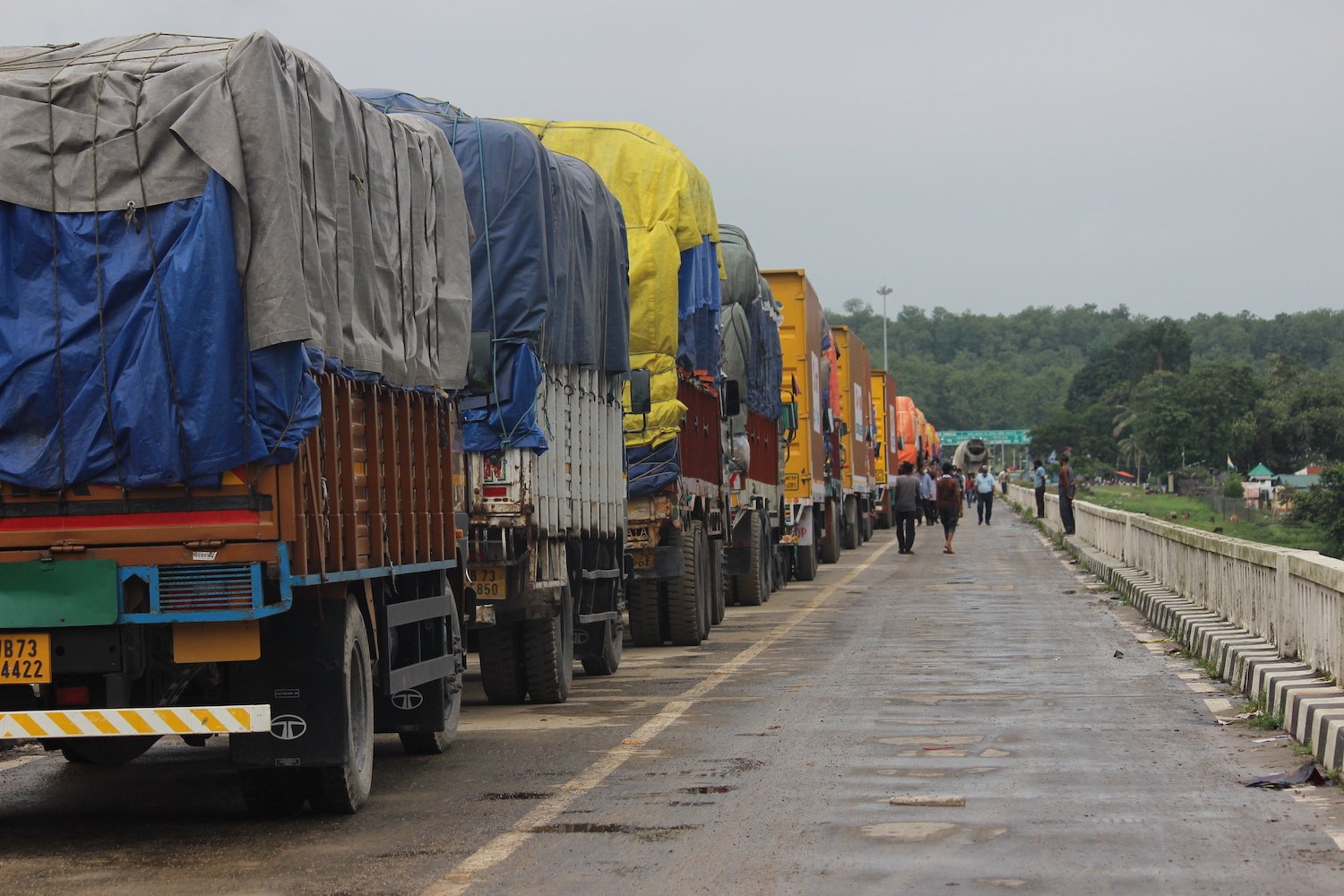
India Myanmar border trade activity resumed after authorities reopened cargo operations at a key border checkpost connecting Northeast India with Myanmar, restoring an important commercial and logistical corridor in the region. Meanwhile, customs officials and administrative agencies stated that the resumption aims to revive cross-border economic activity, improve supply movement, and strengthen regional trade connectivity following earlier operational disruptions. The development immediately attracted attention from traders, transport operators, and business groups because border commerce plays a crucial role in the economic landscape of several northeastern states. Additionally, security and customs departments reportedly intensified monitoring and coordination to ensure regulated and smooth cargo movement through the restored trade route.
The reopening emerged amid broader efforts to strengthen connectivity and commercial integration under India’s regional trade and Act East policy initiatives. Furthermore, economic experts observed that cross-border trade infrastructure remains strategically important for improving regional economic opportunities and transportation efficiency.
Shillong Traffic Plan Introduces New One-Way System
Assam Tea Auctions Witness Record Premium Surge
Cargo Operations Officially Resume at Border Checkpost
Authorities formally confirmed the reopening of cargo movement through the designated India-Myanmar border trade corridor. India Myanmar border trade discussions therefore rapidly gained momentum among regional business and logistics sectors.
Meanwhile, officials explained that regulated commercial transport operations resumed after administrative reviews and coordination involving customs, border security, and trade departments. Additionally, authorities reportedly implemented monitoring mechanisms to maintain compliance with trade regulations and security procedures.
Trade administration representatives emphasized that restoring cargo movement remains important for supporting commercial activity and maintaining supply chains linked with Northeast India. Furthermore, officials noted that the checkpost serves as a key logistical gateway connecting border markets and regional trading networks.
Earlier, operational restrictions and security concerns affected commercial movement across several cross-border routes in the region. Consequently, the latest reopening generated optimism regarding economic recovery and improved transportation stability.
At the same time, authorities continued reviewing security and logistical conditions surrounding border trade operations.
Border Trade Holds Strategic Economic Importance
Cross-border commerce continues playing a significant role in the regional economy of Northeast India. India Myanmar border trade activity therefore carries importance beyond immediate cargo transportation alone.
Meanwhile, economic analysts observed that border trade routes support local businesses, agricultural exchange, consumer goods supply, and regional commercial integration. Additionally, improved connectivity may strengthen economic interaction between frontier communities and nearby trading centers.
Several trade experts noted that northeastern states often depend heavily on efficient transportation corridors because of geographical distance from major mainland commercial hubs. Furthermore, cross-border routes may reduce logistical costs and improve market access for regional producers.
Economic researchers also emphasized that trade infrastructure frequently stimulates secondary economic activity involving warehousing, transport services, and retail markets. Consequently, restoring cargo movement gained wider significance within regional development discussions.
However, policy observers stressed the importance of maintaining balanced security and trade facilitation measures along sensitive border regions.
Customs and Security Monitoring Intensified
Authorities reportedly strengthened customs oversight and security coordination following the reopening of cargo operations. India Myanmar border trade restoration therefore involved extensive regulatory monitoring across the border checkpoint.
Meanwhile, border security agencies and customs officials implemented verification systems for cargo movement, transport documentation, and trade compliance procedures. Additionally, administrative departments coordinated with transport operators and local authorities to ensure orderly operations.
Security experts observed that international border trade routes require constant monitoring because of concerns involving smuggling, unauthorized movement, and regional instability. Furthermore, regulated trade systems remain essential for maintaining economic activity without compromising border security frameworks.
Several governance analysts highlighted the importance of coordinated inter-agency communication within cross-border trade management systems. Consequently, operational monitoring became a central component of the resumed cargo movement process.
At the same time, traders expressed hope that smoother administrative coordination would reduce transportation delays and procedural complications.
Regional Businesses Welcome Trade Resumption
Business groups and commercial stakeholders welcomed the reopening of cargo operations at the border checkpost. India Myanmar border trade recovery therefore generated positive reactions across transportation and trading sectors.
Meanwhile, traders stated that resumed cargo movement may improve supply chain reliability and reduce commercial disruptions affecting regional markets. Additionally, transport operators anticipated increased freight activity and improved logistical stability after the operational restart.
Commercial analysts observed that prolonged trade interruptions frequently affect inventory availability, pricing stability, and small business operations in border-dependent economies. Furthermore, restored transportation networks may improve commercial confidence and future investment prospects.
Several business associations emphasized that efficient border trade supports economic activity not only in frontier areas but also across broader northeastern supply chains. Consequently, industry stakeholders closely monitored operational performance following the reopening announcement.
However, some transport operators requested simplified documentation procedures and stronger infrastructure support at border facilities.
Act East Policy Goals Gain Renewed Momentum
The resumption of cargo operations also aligned with India’s broader regional connectivity and trade integration objectives. India Myanmar border trade expansion therefore carried strategic relevance within national foreign and economic policy discussions.
Meanwhile, policy experts observed that Northeast India remains central to India’s Act East strategy focused on improving connectivity with Southeast Asia. Additionally, cross-border trade infrastructure may strengthen regional integration involving commerce, transport, and diplomatic cooperation.
Infrastructure analysts explained that road connectivity, border trade facilities, and customs modernization frequently influence long-term regional economic growth. Furthermore, efficient trade corridors may encourage investment and industrial activity across northeastern states.
Several geopolitical researchers highlighted that stronger economic interaction with neighboring countries may improve regional stability and connectivity opportunities. Consequently, border trade infrastructure increasingly gained strategic importance within wider development planning frameworks.
At the same time, authorities continued evaluating future expansion opportunities linked to cross-border commerce and transportation systems.
Local Communities Expect Economic Benefits
Residents and local businesses near the border regions expressed optimism regarding the potential economic impact of restored trade activity. India Myanmar border trade operations therefore became closely connected with expectations surrounding local livelihood opportunities.
Meanwhile, small traders and market operators stated that increased cargo movement may improve business activity and commercial interaction within nearby towns and border settlements. Additionally, transport-linked employment and service sector activity may experience renewed growth following the reopening.
Social development experts observed that border economies frequently depend on transportation, logistics, and commercial exchange for employment and income generation. Furthermore, improved trade flow may strengthen access to goods and market opportunities for rural communities.
Several community organizations also emphasized the importance of maintaining peaceful and stable border conditions supporting long-term economic activity. Consequently, local stakeholders encouraged continued administrative coordination and infrastructure development.
At the same time, observers noted that sustained operational stability would remain critical for ensuring long-term trade recovery and economic confidence.
Conclusion
India Myanmar border trade operations resumed after authorities reopened cargo movement through a key border checkpost connecting Northeast India with Myanmar. Meanwhile, officials emphasized that the reopening aims to strengthen commercial connectivity, restore supply chains, and support regional economic activity following earlier disruptions. Experts highlighted the strategic importance of cross-border trade infrastructure for Northeast India’s economic integration and broader Act East policy objectives. Ultimately, observers believe sustained operational stability and coordinated security management may significantly influence future trade growth and regional connectivity.
FAQs
What development was announced regarding the India-Myanmar border?
Authorities resumed cargo operations at a key border trade checkpost.
Why is India Myanmar border trade important?
The trade corridor supports regional commerce, transportation, and economic connectivity.
Which sectors may benefit from resumed cargo movement?
Transport operators, traders, local markets, and logistics businesses may benefit significantly.
Why was security monitoring increased?
Authorities strengthened oversight to ensure regulated and secure cargo movement.
How does the reopening support regional policy goals?
The development aligns with India’s Act East policy and regional connectivity initiatives.
Could local communities benefit economically?
Yes, increased trade activity may support employment and business opportunities in border regions.