

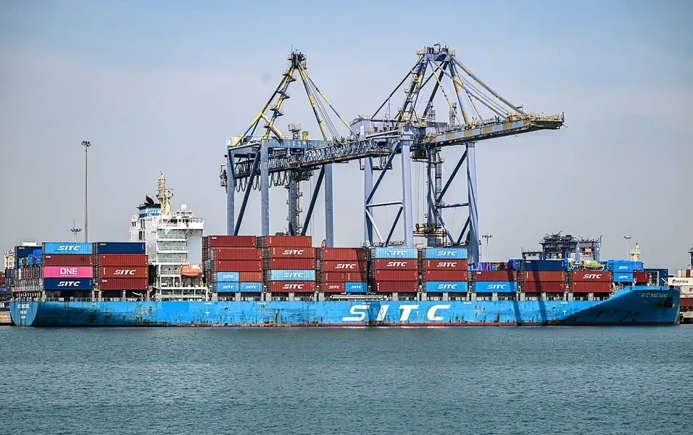
India’s engineering exports recorded a robust growth of nearly 9 percent despite ongoing geopolitical tensions and conflict in West Asia, highlighting the resilience of the country’s manufacturing and export sectors. The positive performance comes at a time when global trade continues to face uncertainties arising from regional conflicts, supply chain disruptions, inflationary pressures, and fluctuating demand in international markets.
Industry experts and export promotion bodies have described the growth as a significant achievement, particularly given the challenges affecting global commerce. The engineering sector remains one of India’s largest export contributors and plays a vital role in supporting industrial growth, employment generation, and foreign exchange earnings.
The latest figures indicate that Indian engineering products continue to find strong demand across key international markets, reinforcing confidence in the country’s manufacturing capabilities.
Engineering Sector Maintains Growth Momentum
The engineering sector has emerged as one of the strongest pillars of India’s export economy. Despite difficult global conditions, exporters have managed to sustain growth through diversification, market expansion, and improved competitiveness.
Industry representatives noted that demand for Indian engineering goods has remained relatively stable across several major markets. Products ranging from machinery and industrial equipment to automotive components and electrical goods have contributed to export growth.
Officials believe the sector’s resilience reflects the strength of India’s manufacturing base and the ability of exporters to adapt to changing market conditions.
The nearly 9 percent increase demonstrates that Indian companies continue to remain competitive despite external challenges.
Exporters have also benefited from efforts aimed at improving production quality and expanding global market access.
West Asia Conflict Creates Global Concerns
The growth in engineering exports comes against the backdrop of ongoing tensions and conflict in West Asia, a region that plays a crucial role in global trade and energy markets.
Geopolitical instability in the region has raised concerns regarding shipping routes, transportation costs, supply chain reliability, and commodity prices. Such developments often affect international trade flows and create uncertainty for exporters worldwide.
Industry experts pointed out that disruptions in major maritime routes can increase logistics costs and delivery times. Consequently, businesses have been closely monitoring developments in the region.
Despite these concerns, India’s engineering export sector has demonstrated the ability to maintain growth, indicating strong demand and effective risk management strategies.
Officials continue to assess the potential impact of regional developments on trade and logistics.
Diversified Export Markets Support Growth
One of the key factors contributing to the sector’s performance is the diversification of export destinations. Indian engineering products are exported to a wide range of countries across North America, Europe, Asia, Africa, and Latin America.
This broad market presence helps reduce dependence on any single region and enhances resilience during periods of economic or geopolitical uncertainty.
Industry leaders note that diversification allows exporters to adapt more effectively when challenges emerge in specific markets. Strong demand from multiple regions has therefore helped offset potential disruptions caused by global tensions.
Officials believe continued efforts to expand market access and strengthen trade partnerships will remain important for sustaining export growth.
The strategy has become increasingly relevant in an unpredictable global environment.
Manufacturing Strength Drives Export Performance
India’s expanding manufacturing capabilities have played a crucial role in supporting engineering exports. Investments in production capacity, technology upgrades, and infrastructure improvements have strengthened the sector’s competitiveness.
Government initiatives aimed at promoting manufacturing and encouraging industrial growth have also contributed to the sector’s progress.
Industry representatives emphasize that quality improvements and adherence to international standards have enhanced the reputation of Indian engineering products in global markets.
The sector’s ability to meet diverse customer requirements has helped exporters secure new opportunities and strengthen existing relationships.
Experts believe continued investment in manufacturing excellence will be essential for maintaining growth momentum.
Contribution to Economic Growth
Engineering exports make a significant contribution to India’s overall economy. The sector supports millions of jobs and generates substantial foreign exchange earnings.
Strong export performance helps strengthen industrial activity and contributes to broader economic growth. It also supports ancillary industries such as logistics, transportation, packaging, and services.
Officials note that export-oriented industries play an important role in driving investment and innovation. Therefore, sustained growth in engineering exports carries benefits beyond the sector itself.
The latest export figures are viewed as a positive indicator for India’s manufacturing and trade outlook.
Policymakers continue to focus on creating an environment that supports export competitiveness and industrial expansion.
Importance of Global Demand
The growth in engineering exports reflects continued global demand for industrial products and manufactured goods. Infrastructure projects, industrial expansion, energy investments, and technological upgrades in various countries have created opportunities for exporters.
Indian companies have increasingly positioned themselves as reliable suppliers capable of delivering quality products at competitive prices.
Industry experts believe demand for engineering goods will remain closely linked to global economic conditions. Therefore, maintaining competitiveness and adapting to changing market requirements remain important priorities.
Exporters continue to explore new markets and strengthen relationships with international customers.
The ability to respond quickly to market opportunities has contributed significantly to the sector’s success.
Challenges Remain for Exporters
Despite the positive growth figures, exporters continue to face several challenges. Geopolitical uncertainties, shipping disruptions, currency fluctuations, and changing regulatory requirements remain areas of concern.
Higher logistics costs and supply chain disruptions can affect profitability and operational efficiency. Consequently, businesses must remain flexible and prepared to adapt to evolving conditions.
Industry leaders have called for continued policy support to strengthen export competitiveness and address emerging challenges.
Officials are also monitoring international developments that could influence trade flows and market demand.
While current performance remains encouraging, exporters recognize the need for ongoing vigilance and strategic planning.
Government Support and Trade Initiatives
The government has introduced several measures aimed at supporting exporters and strengthening India’s position in global trade.
Initiatives focused on infrastructure development, ease of doing business, trade facilitation, and manufacturing growth have helped create a more favorable environment for exporters.
Trade agreements and market access initiatives are also expected to contribute to long-term export expansion.
Officials emphasize the importance of maintaining close collaboration between government agencies and industry stakeholders to address challenges and identify new opportunities.
The engineering sector is likely to remain a key beneficiary of such efforts.
Outlook for the Engineering Sector
Industry experts remain cautiously optimistic about the future outlook for engineering exports. While geopolitical risks and global uncertainties persist, strong fundamentals continue to support growth prospects.
India’s manufacturing ecosystem, skilled workforce, and expanding industrial base provide a strong foundation for future expansion.
Exporters are increasingly focusing on innovation, technology adoption, and value-added manufacturing to strengthen competitiveness.
The sector is also expected to benefit from global efforts to diversify supply chains and reduce dependence on traditional manufacturing hubs.
These trends could create additional opportunities for Indian engineering companies in the years ahead.
Looking Ahead
India’s engineering exports registering nearly 9 percent growth despite ongoing conflict in West Asia highlights the resilience and adaptability of the country’s manufacturing sector. The performance demonstrates the ability of Indian exporters to navigate global uncertainties while maintaining competitiveness in international markets.
Strong demand, diversified export destinations, manufacturing improvements, and supportive policy initiatives have contributed to the sector’s success. At the same time, exporters remain mindful of challenges posed by geopolitical tensions, logistics disruptions, and economic volatility.
As India continues to strengthen its manufacturing capabilities and expand its global trade presence, the engineering sector is expected to remain a major driver of export growth. The latest figures offer a positive signal that the country’s industrial and export ecosystem remains well-positioned to withstand external pressures and capitalize on emerging opportunities.