

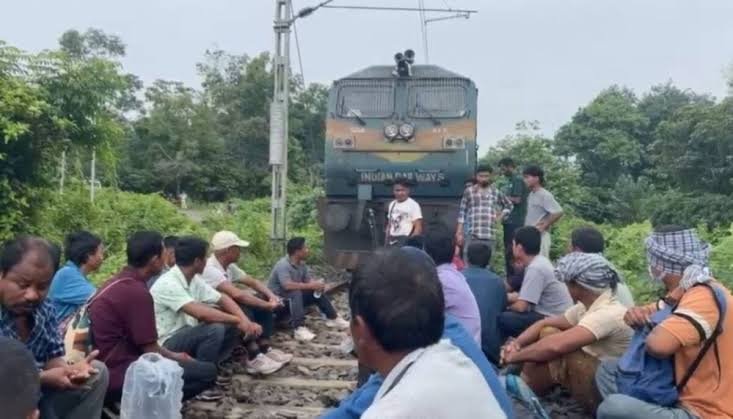
Surrendered militant groups JARC and JRC have reportedly postponed an indefinite railway and highway blockade that they had scheduled to begin on August 13. The decision followed assurances from the state government regarding the groups’ demands and concerns.
The development could prevent significant disruption to transportation and connectivity while giving the government additional time to address the issues raised by the former militant groups. Moreover, the decision highlights the role of dialogue and government assurances in managing tensions involving surrendered insurgent organisations.
The groups’ decision to suspend the proposed blockade could provide an opportunity for further negotiations.
JARC and JRC Postpone Blockade
The JARC and JRC blockade scheduled for August 13 has reportedly been called off following assurances from the state government.
The proposed indefinite action would have targeted both railway and highway connectivity. Furthermore, such a blockade could have affected passenger movement, commercial transportation, supply chains, and other essential services.
The postponement therefore reduces the immediate risk of widespread transport disruption.
Government Assurances Help Defuse Tensions
State government assurances reportedly played a key role in the decision.
The former militant groups apparently agreed to suspend their planned action after receiving commitments addressing their concerns. Additionally, continued government engagement could help prevent the dispute from escalating.
The credibility of those assurances will now depend on their implementation.
Former Militants Seek Government Action
JARC and JRC’s decision comes in the context of demands raised by surrendered members.
Former insurgents can face challenges involving rehabilitation, employment, financial assistance, administrative support, and integration into civilian life. Moreover, delays in implementing agreed measures can create frustration among surrendered groups.
The current development highlights the importance of fulfilling rehabilitation-related commitments.
Transport Connectivity Avoids Disruption
An indefinite blockade of railway and highway routes could have created significant logistical difficulties.
Railways and highways serve as critical links for passengers, food supplies, commercial goods, and emergency services. Furthermore, prolonged disruptions can affect businesses and increase transportation costs.
The postponement allows these essential connections to continue operating without the immediate threat of the planned blockade.
Dialogue Offers Path to Resolution
The government’s engagement with the groups demonstrates the potential value of dialogue.
Instead of allowing the proposed blockade to begin, authorities reportedly provided assurances that encouraged JARC and JRC to suspend their plans. Additionally, continued communication could help both sides resolve outstanding issues without further disruption.
A negotiated solution could prove more sustainable than repeated shutdown threats.
Rehabilitation Remains Important
The long-term success of surrender and reintegration programmes depends on effective rehabilitation.
Former militants need opportunities to build stable civilian lives after leaving armed groups. Moreover, timely implementation of government commitments can strengthen confidence in peace and rehabilitation programmes.
Authorities may therefore need to maintain regular communication with surrendered groups.
Indefinite Blockades Can Affect Local Economies
Even temporary transportation disruptions can create economic challenges.
Businesses depend on reliable road and rail networks to move goods and maintain supplies. Additionally, workers and students rely on transportation systems for daily travel.
Avoiding an indefinite blockade can therefore help protect economic activity and public mobility.
Government Implementation Now Under Focus
With the proposed blockade postponed, attention will shift toward the government’s next steps.
Authorities will likely need to demonstrate progress on the assurances provided to JARC and JRC. Furthermore, regular monitoring and consultations could prevent disagreements from resurfacing.
Successful implementation could strengthen trust between the government and surrendered groups.
August 13 Blockade Avoided
The decision has prevented the proposed indefinite shutdown from beginning on August 13.
The postponement does not necessarily mean that all outstanding issues have been permanently resolved. However, it creates additional space for negotiations and government action.
Both sides will now face pressure to ensure that the latest understanding produces tangible results.
What Happens Next?
The government and representatives of JARC and JRC could continue discussions on the commitments underlying the postponement.
Authorities may need to establish timelines and implementation mechanisms for the assurances reportedly provided. Moreover, the former militant groups could monitor progress before deciding whether further action is necessary.
The immediate priority remains maintaining transport connectivity while addressing the groups’ concerns.
Conclusion
The JARC and JRC blockade has been postponed after surrendered militant groups reportedly called off their planned indefinite railway and highway shutdown scheduled for August 13. State government assurances helped prevent an immediate disruption to major transportation routes.
Moreover, the development provides authorities with an opportunity to address the groups’ concerns through dialogue and implementation. At the same time, the postponement does not necessarily resolve every outstanding issue.
Overall, continued government action and credible implementation of assurances will remain essential to maintaining the current calm and preventing renewed calls for a blockade.
FAQs
1. Who called off the proposed blockade?
Surrendered militant groups JARC and JRC reportedly called off the planned action.
2. When was the blockade scheduled?
The indefinite railway and highway blockade was scheduled to begin on August 13.
3. Why was the blockade postponed?
The groups reportedly postponed the action after receiving assurances from the state government regarding their concerns.
4. What would the blockade have affected?
A prolonged blockade could have disrupted railway and highway transportation, passenger movement, commercial supplies, and local economic activity.
5. Does postponement mean the dispute has ended?
Not necessarily. The postponement creates an opportunity for further dialogue, but the government will need to implement its assurances to maintain the agreement.