

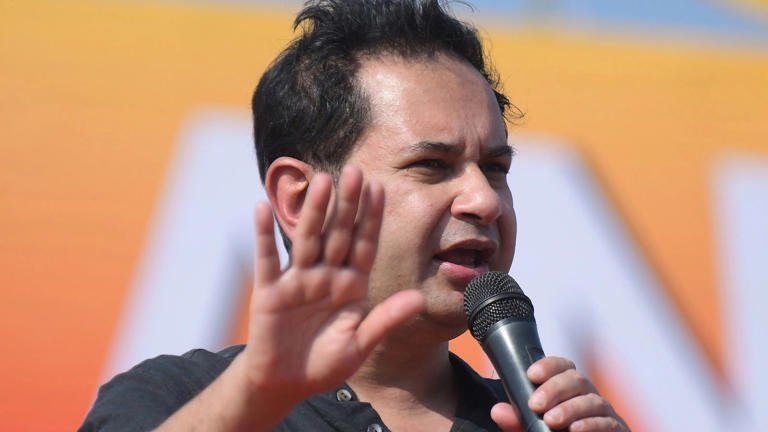
Tipra Motha founder and prominent regional leader Pradyot Kishore has recently highlighted the critical role peace agreements with rebel groups have played in stabilizing the Northeast region of India. He warned that without these peace pacts, the Inter-Services Intelligence (ISI) of Pakistan could have actively promoted insurgency and unrest in the area.
His remarks underline the delicate security dynamics in Northeast India and emphasize the importance of sustained dialogue and agreements to maintain peace in the region.
Read More: Arunachal Cabinet Unveils Youth Policy 2025
Context of Insurgency in Northeast India
Northeast India has witnessed several insurgent movements over the decades, with multiple rebel groups demanding autonomy or independence for their respective communities. The complex ethnic and political landscape has often created fertile ground for unrest and violence.
Regional governments and the central administration have made concerted efforts to sign peace agreements with these groups, aiming to bring insurgents into the mainstream and promote lasting stability.
Pradyot Kishore’s Warning on ISI’s Role
Speaking on the sensitive issue, Pradyot Kishore pointed out that the absence of peace pacts would have provided a strategic opportunity for the ISI to infiltrate and support insurgent factions. He noted that the ISI has a history of meddling in India’s internal security affairs, particularly in conflict-prone areas.
According to Kishore, the peace agreements have effectively curbed such external influences by reducing violence and limiting the scope for external agencies to exploit local grievances.
Importance of Peace Agreements
Peace pacts with rebel groups have been crucial in disarming militants, integrating them into society, and creating pathways for political dialogue. These agreements not only reduce violence but also open channels for development and governance in previously disturbed areas.
Kishore emphasized that these pacts have strengthened regional security and prevented the further escalation of conflict, which would have otherwise allowed external actors like the ISI to increase their influence.
Security Challenges in the Region
Despite progress, the Northeast still faces sporadic violence and occasional disruptions by splinter groups refusing to join peace processes. Pradyot Kishore stressed the need for continued vigilance and strengthened security measures to prevent any resurgence of insurgency.
He also called for comprehensive development plans and inclusive governance to address underlying causes of unrest, reducing the appeal of insurgency to vulnerable populations.
Role of Regional and Central Governments
Kishore lauded the efforts of both state and central governments in facilitating peace talks and signing agreements with various rebel factions. He urged continued support and engagement to consolidate peace gains and expand development outreach in conflict-affected areas.
He highlighted the importance of coordination between security agencies, local administrations, and community leaders to maintain stability and counter external threats.
Impact of Peace on Socio-Economic Development
The peace agreements have not only improved security but also paved the way for economic development and social progress. Areas once marred by conflict have started witnessing infrastructure projects, educational improvements, and better healthcare facilities.
Pradyot Kishore noted that peace is the foundation for sustainable growth, and any threat to it could derail the positive momentum achieved so far.
The ISI Factor in Northeast Security
Historically, the ISI has attempted to exploit insurgencies in Northeast India as part of a broader strategy to destabilize the country. Pradyot Kishore’s statement draws attention to this ongoing security concern and the need to remain alert against such covert interference.
He suggested that continued peace pacts reduce vulnerabilities by limiting the operational scope of insurgents and thereby restricting external actors like the ISI from gaining a foothold.
Sustaining Peace to Counter External Threats
Pradyot Kishore’s warning underscores the fragile nature of peace in Northeast India and the continuous threat posed by external agencies such as the ISI. His insights highlight that the peace pacts with rebel groups are not only vital for ending insurgency but also serve as a bulwark against foreign interference.
Sustaining these agreements and expanding development efforts remain crucial to ensuring long-term stability and prosperity in the region.
Read More: NFR GM Inspects Site for New Wagon Workshop in Assam