

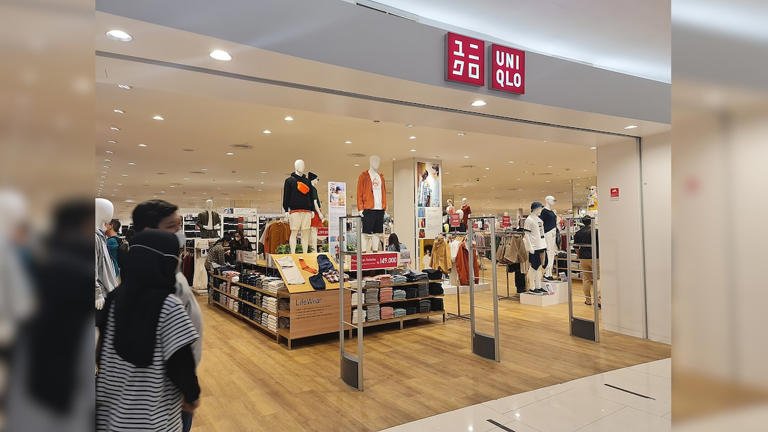
Japanese apparel giant Uniqlo is looking to ramp up sourcing from India for its stores across global markets, Commerce and Industry Minister Piyush Goyal has said, signalling fresh opportunities for the country’s textile and apparel industry.
Goyal made the remarks after meeting Uniqlo founder and chief executive Tadashi Yanai in Tokyo. The discussions focused on expanding cooperation between India and Japan in retail, manufacturing and sustainable business practices.
The minister said Japanese textile companies, including Uniqlo, are showing greater interest in expanding investments in India. They are also exploring ways to source more products from Indian manufacturers for international markets.
The development could strengthen India’s position as a major manufacturing and sourcing hub. It may also create new opportunities for domestic textile companies seeking access to global supply chains.
Piyush Goyal meets Uniqlo CEO in Tokyo
Piyush Goyal met Tadashi Yanai, chairman, president and CEO of Fast Retailing Co Ltd and Uniqlo, during his visit to Japan.
The meeting explored potential collaborations in retail and manufacturing. Sustainable business practices also formed part of the discussions.
Goyal said his meetings with major Japanese textile importers and marketing companies had strengthened his confidence about increased investment and sourcing from India.
The minister pointed to the potential for Indian manufacturers to supply Japanese companies for both the domestic Japanese market and their international retail networks.
Uniqlo operates thousands of stores globally. Therefore, a larger sourcing partnership could give Indian textile and apparel producers access to a much wider market.
The discussions reflect India’s efforts to encourage global companies to expand their manufacturing and sourcing footprint in the country.
Uniqlo sourcing from India could expand global opportunities
Greater sourcing by Uniqlo could create significant opportunities for Indian textile manufacturers.
Indian companies may supply products not only for Uniqlo’s growing operations in India but also for its stores across international markets.
Goyal said the increased engagement could help Indian businesses become part of the global supply chains of major Japanese brands.
India has a large textile and garment manufacturing ecosystem. The country produces cotton, yarn, fabrics, garments and a wide range of other textile products.
However, supplying global brands requires manufacturers to meet strict standards for quality, consistency and delivery.
Japanese companies are particularly known for their focus on product specifications and quality control.
Goyal acknowledged that Indian manufacturers would need to adapt to these requirements.
The potential expansion of sourcing could therefore encourage Indian firms to upgrade their production processes and develop products that meet international expectations.
Indian textile firms need to meet Japanese standards
The commerce minister noted that Indian textile companies have traditionally produced extensively for European and other international markets.
However, Japanese consumers and companies often have different requirements.
These differences can involve materials, product design, clothing styles and sizing.
Goyal said Indian businesses are now showing greater interest in understanding these requirements.
This shift could help manufacturers develop products specifically suited to the Japanese market.
High-quality production will remain essential.
Indian companies may also need to pay closer attention to design specifications and consumer preferences.
The process could require stronger collaboration between Indian suppliers and Japanese buyers.
Such engagement can help manufacturers understand the precise standards required by major global retailers like Uniqlo.
Meeting these expectations could also open doors to other international markets.
Uniqlo looks to deepen its India presence
Uniqlo has already established a growing presence in the Indian retail market.
The Japanese apparel company opened its first Indian store in 2019. It now operates more than 20 outlets in the country and continues to explore further expansion.
The company’s India strategy appears to involve both retail growth and increased sourcing.
This combination could make India more important to Uniqlo’s wider global business.
India offers the company a large consumer market. At the same time, it provides access to an extensive manufacturing base.
Greater investment could strengthen links between Indian suppliers and the company’s global operations.
The latest discussions with Goyal suggest that Uniqlo sees further opportunities in India’s expanding retail and manufacturing ecosystem.
India aims to strengthen its global manufacturing role
The possible increase in sourcing by Uniqlo aligns with India’s broader ambition to become a larger global manufacturing hub.
The government has encouraged international companies to increase local production and develop stronger supply chains within the country.
India has also sought to attract foreign investment across sectors.
Textiles and apparel remain important industries because they support large-scale employment and have strong export potential.
A deeper partnership with Japanese companies could help Indian manufacturers gain exposure to new technologies, production practices and international quality standards.
The expansion of sourcing relationships can also help smaller and medium-sized manufacturers connect with larger global buyers.
For India, the goal is not only to attract companies as sellers in the domestic market.
The government also wants global brands to view the country as an important production and export base.
India-Japan economic ties gain fresh momentum
The discussions on textile sourcing come amid broader efforts to strengthen economic ties between India and Japan.
Both countries have long maintained strong trade and investment links.
Japanese companies operate across several sectors in India, including automobiles, electronics, infrastructure and manufacturing.
Goyal’s visit to Japan focused on encouraging deeper business engagement.
He has urged Japanese companies to increase localisation and explore India’s growing manufacturing capabilities.
The commerce minister has also highlighted the need to strengthen bilateral trade and investment.
The India-Japan Comprehensive Economic Partnership Agreement has remained an important framework for economic cooperation between the two countries.
Goyal has indicated that there is scope to modernise and expand the agreement to reflect changing economic conditions.
Greater cooperation in textiles could become another important part of this relationship.
Quality and design will remain key for Indian manufacturers
The opportunity to supply a global brand also brings significant responsibilities.
Indian manufacturers will need to ensure consistent quality across large volumes of production.
They must also meet delivery timelines and comply with the buyer’s technical specifications.
For Japanese consumers, factors such as fabric quality, fit and design can play an important role.
Indian firms may therefore need to invest in better product development and specialised manufacturing.
Goyal said businesses are increasingly working to understand these expectations.
This could help them compete more effectively in the Japanese market.
The process may also improve the ability of Indian companies to serve other quality-conscious international markets.
A successful partnership with a major global retailer can enhance the credibility of Indian suppliers.
It can also encourage other international brands to examine India as a sourcing destination.
Greater sourcing could support Indian textile industry
The Indian textile industry could benefit from higher orders if Uniqlo expands its sourcing operations.
Additional demand can support garment manufacturers, textile mills and suppliers of related materials.
The impact could extend across several parts of the supply chain.
Manufacturers may require more raw materials, machinery and skilled workers.
Export-oriented production can also contribute to India’s efforts to expand its presence in global markets.
However, manufacturers will need to remain competitive.
Cost efficiency alone may not be enough.
Global buyers increasingly consider quality, sustainability, compliance and supply-chain reliability.
Indian companies that adapt to these changing expectations may gain a stronger position in international trade.
The Uniqlo discussions therefore highlight both an opportunity and a challenge for the domestic textile sector.
Sustainable manufacturing also part of discussions
Sustainable business practices formed part of the discussions between Goyal and Uniqlo’s leadership.
Sustainability has become increasingly important for global apparel companies.
Consumers and investors are paying greater attention to environmental and social practices within supply chains.
Indian manufacturers may need to adopt more sustainable production methods to remain competitive.
This can involve better resource management, efficient manufacturing and compliance with environmental standards.
Global brands are increasingly seeking suppliers that can meet these requirements.
India’s textile industry could benefit by strengthening its capabilities in sustainable manufacturing.
Such efforts may help companies secure long-term relationships with international buyers.
The collaboration with Japanese firms could support greater knowledge-sharing in this area.
Uniqlo’s India sourcing plans signal fresh opportunity
Piyush Goyal’s remarks indicate that Japanese companies are increasingly examining India as both a major consumer market and a potential global sourcing hub.
For Uniqlo, greater sourcing from India could support its international retail operations while strengthening its presence in one of the world’s fastest-growing major economies.
For Indian manufacturers, the opportunity could provide access to a major global supply chain.
However, success will depend on their ability to meet demanding Japanese standards for quality, design, materials and sizing.
The discussions between Goyal and Tadashi Yanai have opened the possibility of deeper cooperation in textiles, retail and manufacturing.
As India seeks to strengthen its role in global supply chains, Uniqlo’s plan to ramp up sourcing could become an important boost for the country’s textile and apparel sector.
The move also highlights a broader shift in India’s relationship with global brands. India is increasingly positioning itself not just as a large market for international products, but also as a manufacturing base capable of supplying consumers around the world.