

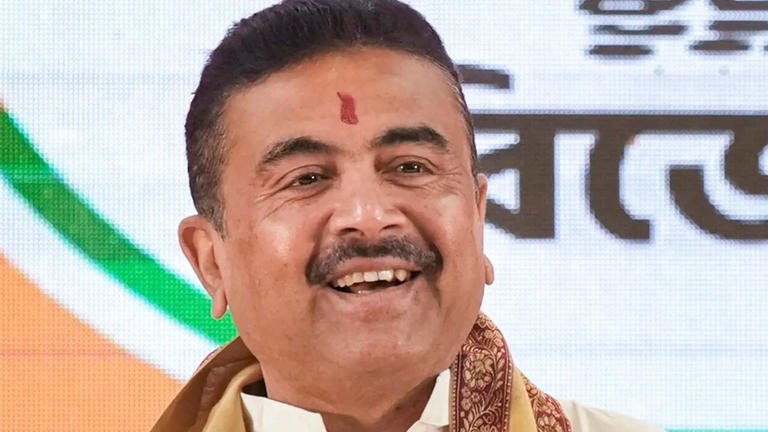
Leader of the Opposition in the West Bengal Assembly, Suvendu Adhikari, has stated that the Kolkata Municipal Corporation (KMC) elections are expected to be held in December, setting the stage for one of the most closely watched political contests in the state. The announcement has sparked discussions among political parties, election observers, and citizens, as the civic polls are likely to play a significant role in shaping the political landscape ahead of future electoral battles in West Bengal.
The Kolkata Municipal Corporation, which governs India’s third-largest metropolitan city, remains one of the most influential urban local bodies in the country. Elections to the civic body are viewed as politically significant due to Kolkata’s importance as the state’s administrative, economic, and cultural hub.
Adhikari’s remarks have intensified political activity, with parties expected to begin preparations for a campaign that could focus on governance, urban infrastructure, public services, and civic administration.
Political Focus Shifts to Civic Elections
The prospect of KMC elections being held in December has already drawn attention from political parties across the state. Municipal elections often serve as an important indicator of public sentiment and can influence broader political narratives.
As one of the largest and most influential urban local bodies in West Bengal, the Kolkata Municipal Corporation occupies a central place in the state’s political discourse. Control of the civic body carries administrative significance as well as symbolic value, making the election a major contest for all political stakeholders.
Observers believe that political parties will use the coming months to strengthen grassroots networks, engage with voters, and outline their visions for Kolkata’s future.
Importance of Kolkata Municipal Corporation
The Kolkata Municipal Corporation is responsible for managing a wide range of civic services that directly affect millions of residents. These responsibilities include sanitation, waste management, water supply, public health services, road maintenance, urban planning, and various municipal welfare programmes.
As the governing body of the state capital, the KMC plays a critical role in ensuring the smooth functioning of urban infrastructure and public services. Decisions taken by the corporation have a direct impact on quality of life, economic activity, and urban development.
Given its importance, elections to the civic body often attract significant public interest and political attention.
Election Likely to Focus on Urban Governance
Urban governance is expected to emerge as one of the central themes of the upcoming election campaign. Political parties are likely to highlight their approaches to addressing challenges related to infrastructure, traffic management, sanitation, water supply, and environmental sustainability.
Kolkata, like many major metropolitan cities, faces complex urban challenges that require long-term planning and efficient administration. Issues such as waste management, road maintenance, drainage systems, pollution control, and housing are likely to feature prominently in campaign discussions.
Candidates and political parties are expected to present development plans aimed at improving urban living standards and enhancing civic services.
Political Significance Beyond Civic Administration
While municipal elections primarily determine local governance, they often carry broader political implications. Results from major civic bodies can influence public perceptions of political parties and provide momentum ahead of state or national elections.
The KMC polls are expected to be closely watched as a test of organizational strength, voter outreach, and political messaging. Political analysts note that civic elections offer parties an opportunity to assess their support base and refine strategies for future electoral contests.
As a result, the election is likely to attract considerable attention not only within Kolkata but across West Bengal.
Preparations Expected to Intensify
With the possibility of elections in December, political parties are expected to accelerate preparations in the coming months. Candidate selection, organizational restructuring, voter outreach programmes, and issue-based campaigns are likely to become key priorities.
Grassroots engagement is expected to play an important role, as municipal elections often involve direct interaction with local communities and neighborhood-level concerns. Political organizations are likely to focus on building strong local networks and addressing issues specific to different wards.
Election preparations may also include efforts to strengthen booth-level structures and expand public engagement initiatives.
Development and Infrastructure in Focus
Infrastructure development is likely to remain a major campaign issue. Kolkata has witnessed numerous urban development projects in recent years, including improvements in transportation, roads, public facilities, and civic infrastructure.
Political parties are expected to evaluate the impact of these initiatives and propose additional measures aimed at improving city services. Areas such as public transportation, drainage modernization, waste management systems, green spaces, and urban renewal could become important points of discussion.
Voters are likely to assess candidates and parties based on their ability to deliver practical solutions to urban challenges.
Role of Local Governance in Urban Development
Municipal bodies play a crucial role in shaping the growth and development of cities. Effective local governance can improve service delivery, strengthen infrastructure, and enhance overall quality of life.
Experts emphasize that urban development requires efficient planning, transparent administration, and strong community engagement. Municipal corporations are often responsible for implementing projects that directly impact residents’ daily lives.
The upcoming KMC elections provide an opportunity for voters to evaluate governance performance and choose representatives who can address the city’s evolving needs.
Voter Expectations and Civic Priorities
Residents of Kolkata are expected to focus on a range of civic issues when evaluating candidates and political parties. Public expectations often center around reliable municipal services, improved infrastructure, cleaner neighborhoods, and efficient governance.
Issues such as traffic congestion, environmental sustainability, public health, and urban resilience may also influence voter preferences. As one of India’s oldest and most densely populated metropolitan cities, Kolkata faces unique governance challenges that require innovative and effective solutions.
Political parties are likely to tailor their campaigns to address these concerns and connect with diverse voter groups across the city.
Electoral Competition Expected to Intensify
The announcement regarding the likely timing of the elections is expected to increase political competition among major parties. Municipal elections in Kolkata have historically been closely contested and have often served as important political battlegrounds.
Political leaders are expected to intensify outreach efforts and engage with voters on issues affecting local communities. Campaigns may focus on governance records, development achievements, policy proposals, and future visions for the city.
Observers anticipate a vibrant electoral contest characterized by extensive campaigning and public engagement.
Looking Ahead
Suvendu Adhikari’s statement that the Kolkata Municipal Corporation elections are likely to be held in December has effectively marked the beginning of what promises to be a significant political season in West Bengal. The civic polls will not only determine the future leadership of one of India’s most important municipal bodies but also provide insights into the state’s broader political dynamics.
As political parties prepare for the contest, issues related to urban governance, infrastructure development, public services, and quality of life are expected to dominate the campaign narrative. The election will offer voters an opportunity to assess competing visions for Kolkata’s future and choose representatives responsible for shaping the city’s development trajectory.
With preparations likely to intensify in the coming months, the KMC elections are poised to become one of the most closely watched political events in West Bengal, carrying implications that extend well beyond civic administration and into the wider political landscape of the state.