

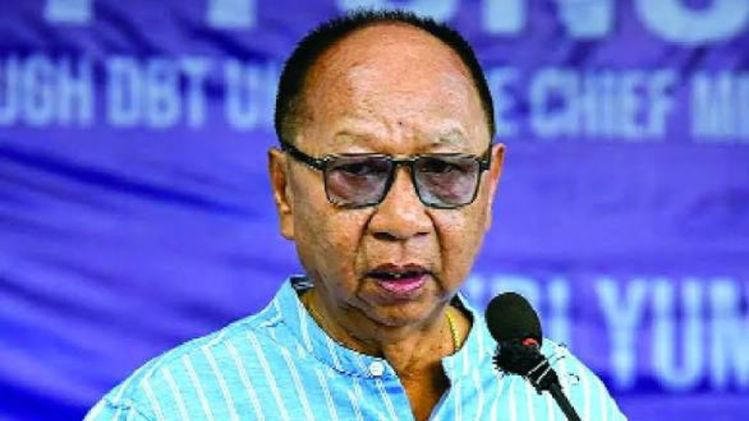
Several Kuki organisations announced a boycott of Manipur Chief Minister Khemchand Singh’s visit to Churachandpur, reflecting the continuing political and ethnic tensions that have affected the state over the past year. The decision by the groups underscores the deep mistrust that continues to exist between sections of the hill communities and the state administration despite ongoing efforts to restore peace and normalcy.
The proposed visit, which was intended to review developmental initiatives and interact with local stakeholders, has instead become the centre of renewed political attention. Kuki organisations stated that they would not participate in programmes associated with the Chief Minister’s visit, maintaining that several long-standing concerns raised by the community remain unresolved.
The boycott comes at a time when the government continues to focus on restoring stability, rebuilding public confidence, and accelerating development in conflict-affected areas.
Kuki Organisations Announce Boycott
Representatives of several Kuki civil society organisations declared that they would stay away from official events scheduled during the Chief Minister’s visit to Churachandpur. The organisations said their decision was based on continuing grievances related to the prolonged ethnic conflict and what they described as the lack of adequate progress in addressing community concerns.
According to the groups, meaningful engagement requires concrete steps towards justice, rehabilitation, and confidence-building before normal political interactions can resume. They argued that symbolic visits alone would not resolve the issues that have emerged during the extended period of unrest.
The announcement has drawn considerable political attention, with observers viewing it as another indication of the challenges involved in rebuilding trust between various stakeholders.
Background of the Ongoing Tensions
Manipur has experienced prolonged ethnic violence that has affected several districts, resulting in displacement, destruction of property, and disruption of normal life. Communities across the state have faced significant humanitarian and security challenges, while repeated efforts have been made by both the state and Central governments to restore peace.
Although the security situation has improved in certain areas through enhanced deployment of security forces and administrative measures, social and political divisions remain evident in many parts of the state.
Churachandpur has been among the districts most significantly affected by the unrest, making any high-level political visit particularly sensitive.
Purpose of the Chief Minister’s Visit
The Chief Minister’s proposed visit was expected to include the review of developmental projects, interactions with local officials, and discussions on public welfare initiatives aimed at improving infrastructure and essential services in the district.
Government officials indicated that the visit formed part of the administration’s continued engagement with different regions of the state to monitor development works and assess the implementation of government programmes.
The administration has maintained that restoring governance, improving public services, and accelerating development remain important components of the broader effort to bring normalcy back to conflict-affected districts.
Community Concerns Remain Unresolved
Kuki organisations have consistently maintained that several issues arising from the ethnic conflict require comprehensive resolution before confidence between communities and the government can be rebuilt. These concerns include rehabilitation of displaced families, restoration of damaged properties, security arrangements, and measures to ensure long-term peace.
Community leaders have also called for sustained dialogue involving all stakeholders to address grievances and create conditions for reconciliation. They argue that lasting peace depends not only on security measures but also on political engagement and mutual trust.
The boycott reflects the view among sections of the community that additional efforts are needed to bridge existing differences.
Government Continues Peace and Development Efforts
The Manipur government has repeatedly stated that restoring peace and ensuring equitable development across all districts remain among its highest priorities. Authorities continue to implement relief measures, infrastructure projects, and rehabilitation programmes while coordinating with Central agencies on security-related matters.
Officials have emphasised that development initiatives are intended to benefit all communities without discrimination and that governance must continue even as efforts to resolve the conflict remain underway.
Various departments have continued implementing projects related to road connectivity, healthcare, education, housing, and public infrastructure in affected areas as part of broader recovery efforts.
Importance of Dialogue and Confidence Building
Political observers and civil society groups have consistently stressed that sustainable peace in Manipur will require continuous dialogue between communities, government representatives, and other stakeholders. Confidence-building measures are widely regarded as essential for reducing mistrust and encouraging reconciliation.
Experts believe that development initiatives, while important, should be accompanied by sustained communication, humanitarian assistance, and inclusive decision-making to create an environment conducive to long-term stability.
Many organisations have called for greater engagement at the grassroots level, involving local leaders, youth groups, women’s organisations, and community representatives in peace-building initiatives.
Security Arrangements Remain in Place
In view of the sensitive nature of the visit and the ongoing tensions, security arrangements were strengthened across Churachandpur and adjoining areas. Police and security personnel remained on alert to ensure law and order and prevent any untoward incidents.
Authorities appealed to residents to maintain peace and cooperate with law enforcement agencies. Officials also urged people to avoid spreading misinformation or rumours that could aggravate the situation.
The administration continues to monitor developments closely while maintaining regular communication with local authorities and community representatives.
Political Reactions to the Boycott
The boycott announcement has generated reactions from political leaders across the spectrum. While some Opposition leaders argued that the development reflects continuing dissatisfaction among sections of the population, others emphasised the importance of maintaining dialogue despite differences.
Supporters of the government maintained that administrative visits should not be viewed through a political lens, arguing that governance and development activities must continue in every district irrespective of ongoing challenges.
Political analysts noted that rebuilding trust in conflict-affected regions is a gradual process requiring patience, consistent engagement, and sustained efforts from all stakeholders.
The Road Ahead for Manipur
The boycott of the Chief Minister’s visit highlights the complex challenges that continue to confront Manipur as it seeks to recover from prolonged ethnic unrest. While governments can improve infrastructure and strengthen security, rebuilding social trust often requires longer-term engagement, reconciliation, and inclusive governance.
As the state continues its efforts towards peace and development, dialogue between communities, effective rehabilitation, equitable implementation of welfare programmes, and confidence-building measures will remain essential for lasting stability.
The government’s development agenda and the concerns raised by Kuki organisations illustrate the need for a balanced approach that combines administrative action with meaningful political and community engagement. Achieving durable peace in Manipur will ultimately depend on sustained cooperation among the government, civil society, community leaders, and citizens working together to restore harmony and rebuild confidence across the state.