

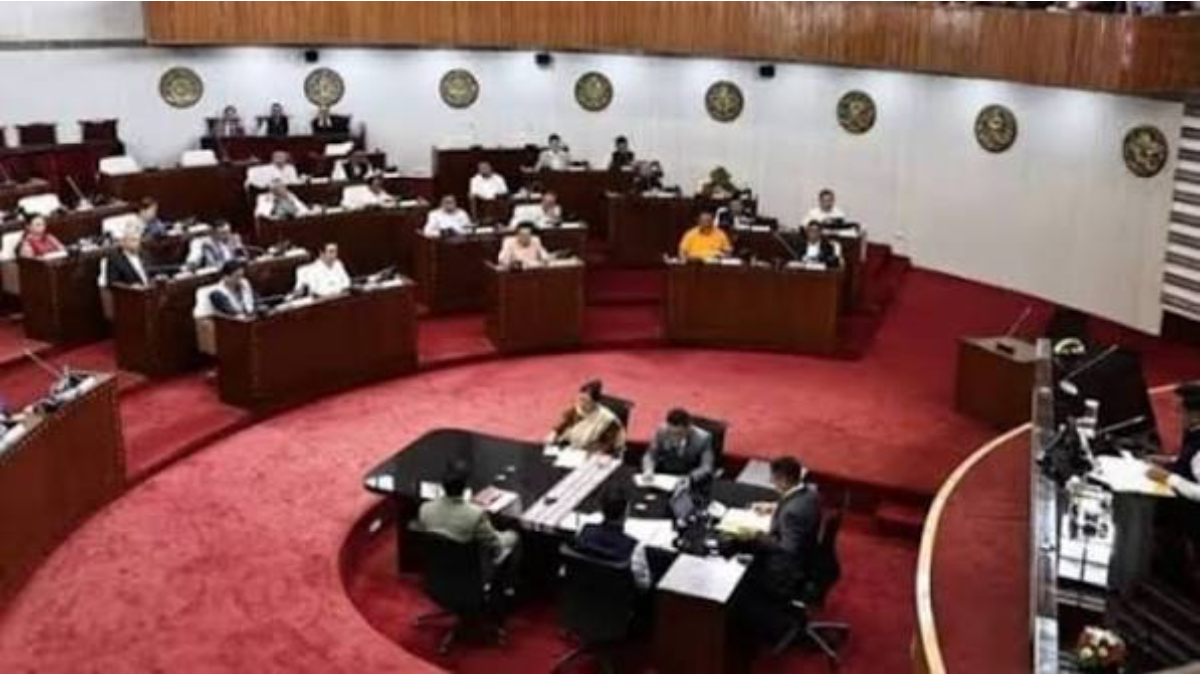
Sikkim Assembly Budget Session witnessed significant legislative developments on the second day as the state Assembly passed two key bills aimed at strengthening healthcare governance and expanding skill-based education. The approval of the Sikkim Medical Council Bill and the Skill University-related legislation reflects the state government’s commitment to improving medical regulation, enhancing workforce readiness, and creating new educational opportunities for young people.
The bills were passed during the ongoing Budget Session of the Sikkim Legislative Assembly, where lawmakers discussed measures designed to support the state’s long-term development agenda. The decisions are expected to have a lasting impact on healthcare standards and skill development across Sikkim.
Sikkim Assembly Budget Session Approves Two Key Bills
The second day of the Sikkim Assembly Budget Session focused on legislative reforms in the education and healthcare sectors. Members of the Assembly debated and ultimately passed two important pieces of legislation—the Sikkim Medical Council Bill and the Skill Education Bill.
The government stated that these laws are intended to modernize institutions, improve professional standards, and create a stronger framework for skill-based learning. The passage of the bills also reflects the state’s efforts to align its policies with changing educational and healthcare needs.
The Assembly proceedings were marked by discussions on how these reforms could contribute to better governance while addressing future challenges in public health and employment.
Medical Council Bill to Strengthen Healthcare Regulation
One of the major highlights of the session was the passage of the Sikkim Medical Council Bill. The legislation seeks to establish a dedicated medical council responsible for regulating medical professionals and maintaining ethical standards within the state’s healthcare system.
The proposed council will oversee the registration of medical practitioners, monitor professional conduct, and ensure compliance with medical regulations. It is also expected to improve accountability and promote higher standards of healthcare services across Sikkim.
Government representatives emphasized that the legislation would help create a transparent and efficient regulatory framework while supporting the delivery of quality healthcare to residents.
Key Objectives of the Medical Council Bill
The newly approved bill aims to:
- Establish a statutory medical council in Sikkim.
- Regulate the registration of medical practitioners.
- Promote ethical medical practices.
- Strengthen oversight of healthcare professionals.
- Improve the overall quality of healthcare services in the state.
Officials believe that these measures will enhance public confidence in the healthcare system while ensuring that medical practitioners adhere to nationally accepted standards.
Skill Education Bill Focuses on Employment and Innovation
Another significant development during the Sikkim Assembly Budget Session was the passage of the Skill Education Bill, which seeks to strengthen vocational education and industry-oriented training.
The legislation is expected to promote skill development by encouraging practical learning, technical education, and partnerships with industries. The government believes that expanding skill-based education will improve employability among students and prepare them for emerging sectors of the economy.
The bill also aims to bridge the gap between academic learning and industry requirements by introducing programs tailored to evolving market demands.
Government Highlights Importance of Skill Development
During the Assembly discussions, the government stressed that skill education has become increasingly important in today’s competitive employment landscape. With industries rapidly adopting new technologies, policymakers argued that educational institutions must adapt by offering specialized training and practical exposure.
The Skill Education Bill is expected to encourage innovation, entrepreneurship, and workforce development while helping students acquire job-ready skills. It also aligns with broader national initiatives promoting vocational education and skill enhancement.
Lawmakers noted that investing in human capital remains one of the most effective strategies for achieving sustainable economic growth.
Major INDIA Alliance Boycott Anchors Move Targets Nine News Channels
Part of Broader Development Agenda
The passage of both bills reflects the government’s broader vision of strengthening public institutions and expanding opportunities for the state’s youth.
Healthcare and education continue to be major priorities during the ongoing Budget Session, with policymakers focusing on reforms that can deliver long-term social and economic benefits.
By establishing a dedicated medical regulatory body and promoting skill-oriented education, the government aims to improve governance while preparing the workforce for future challenges.
Observers believe these legislative measures could contribute to better healthcare administration, increased educational access, and stronger employment prospects over the coming years.
Budget Session Continues with Additional Legislative Business
The Sikkim Assembly Budget Session is expected to continue with discussions on departmental demands, financial allocations, and additional legislative proposals. Several important policy matters related to infrastructure, social welfare, education, and economic development are likely to come before the House during the remaining days of the session.
The government is expected to outline its spending priorities while presenting initiatives aimed at accelerating development across different sectors. Members of the Assembly are also anticipated to debate policies that address public welfare, economic growth, and administrative reforms.
The passage of the Medical Council Bill and the Skill Education Bill has set a constructive tone for the ongoing Budget Session, highlighting the state’s emphasis on institutional strengthening and future-ready governance. As legislative proceedings continue, attention will remain focused on additional reforms that could shape Sikkim’s development roadmap in the years ahead.