

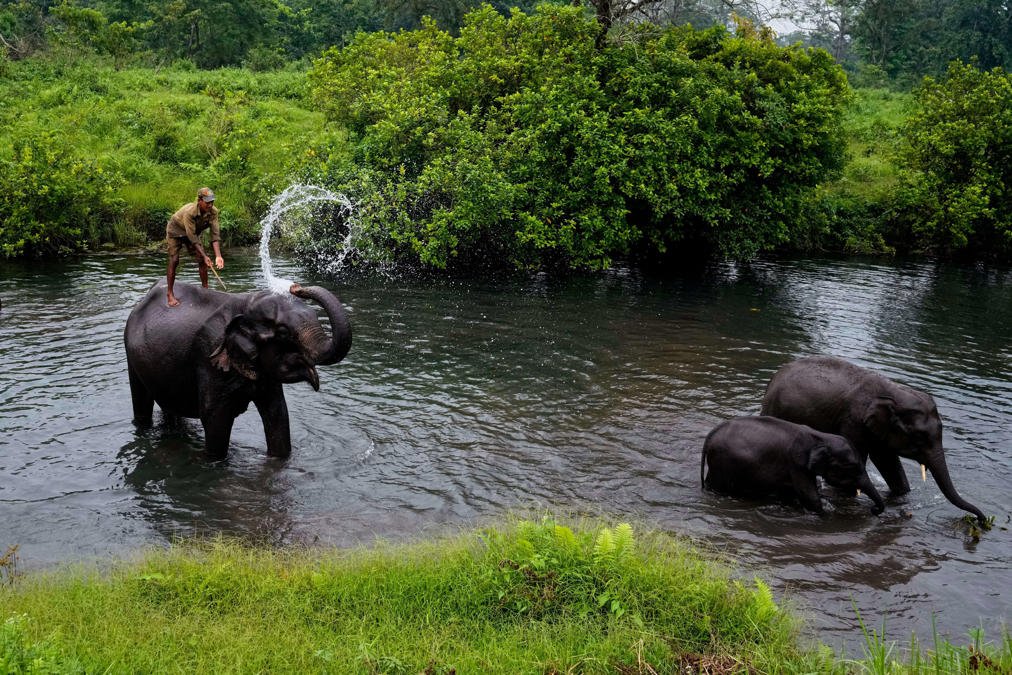
Manas National Park and Tiger Reserve in Assam is set to reopen its gates to tourists from October 2, 2026, marking the beginning of the 2026-27 tourism season. The reopening comes after the annual monsoon closure and will allow domestic and international visitors to return to one of Northeast India’s most important wildlife destinations.
A special programme will be organised at the park’s second main entrance on October 2 to mark the beginning of the new tourism season. According to park authorities, Manas will remain open until further orders, subject to the provisions of the Wildlife (Protection) Act, 1972, and the Assam Wildlife (Protection) Rules, 1997.
Annual Monsoon Closure Comes to an End
Manas National Park generally remains closed to tourists during the monsoon period when heavy rainfall can affect forest roads, safari operations and visitor access. The seasonal closure also provides an important period for managing tourism activities in the ecologically sensitive landscape.
With the monsoon period ending, tourism activities are now being resumed. The October 2 reopening is expected to bring wildlife enthusiasts, photographers, nature lovers and other visitors back to the park.
A UNESCO World Heritage Site Rich in Biodiversity
Located in the Himalayan foothills of Assam along the Bhutan border, Manas is recognised as a UNESCO World Heritage Site and is also designated as a Project Tiger reserve, elephant reserve and biosphere reserve. The park covers a landscape of forests, grasslands and riverine habitats and is part of the wider Manas conservation landscape adjoining Bhutan’s Royal Manas National Park.
The park is known for its exceptional biodiversity and provides habitat to several rare and endangered species. Visitors may encounter animals including the Bengal tiger, Asian elephant, Indian one-horned rhinoceros, wild water buffalo and leopard.
Manas is also particularly important for the conservation of species such as the pygmy hog, golden langur, hispid hare, Assam roofed turtle and Bengal florican. The park’s combination of wildlife, grasslands, forests and rivers makes it a major attraction for nature and wildlife tourism in Assam.
Weekly Closure Schedule for Different Ranges
Although the park will reopen on October 2, visitors will need to keep the weekly closure schedule of individual ranges in mind.
The Bansbari Range will remain closed on Tuesdays, while the Bhuyanpara Range will remain closed on Thursdays. The Panbari Range will observe its weekly closure on Fridays, and the Kuklung Range will remain closed on Wednesdays. Visitors will be able to access the designated ranges on operational days while following applicable rules and guidelines.
Tourists are advised to check the latest official information before planning their visit, particularly regarding safari availability, entry regulations and operational timings.
Wildlife Tourism Expected to Gain Momentum
The reopening is expected to provide a fresh boost to Assam’s wildlife tourism sector. Manas attracts visitors not only for its wildlife but also for its scenic landscape and proximity to the Bhutan border.
The park recorded 63,723 tourist arrivals in 2025-26, compared with 52,962 in 2021-22, according to Assam’s Forest Minister. International visitor numbers also increased during the same period. Officials have highlighted the importance of managing this growth through conservation-focused tourism.
For the upcoming season, authorities have also discussed limited premium safari routes and measures aimed at managing visitor numbers and reducing pressure on sensitive habitats.
Responsible Tourism Remains Important
As visitors return, responsible tourism will remain essential for protecting Manas’s fragile ecosystem. Tourists are expected to follow forest regulations, respect wildlife, avoid disturbing animals and comply with instructions issued by park authorities and guides.
The reopening of Manas National Park on October 2 therefore marks more than the start of another tourist season. It also represents an opportunity to balance wildlife conservation, responsible tourism and livelihoods linked to the region’s growing tourism economy.
With its diverse wildlife, Himalayan foothill landscape and international conservation importance, Manas National Park reopening on October 2 is set to bring renewed attention to one of Assam’s most significant natural treasures.