

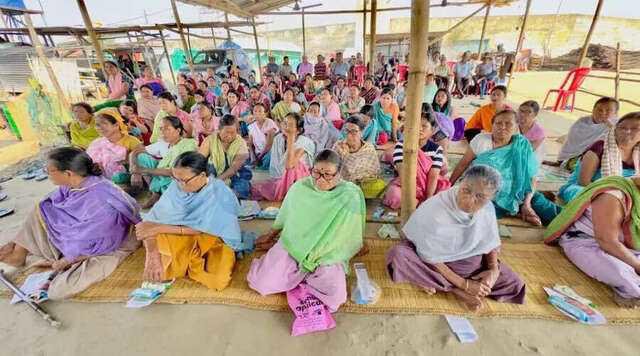
Internally displaced persons (IDPs) in Manipur have staged protests against the proposed census exercise, expressing concerns over its timing amid the ongoing crisis. The demonstrations reflect growing anxiety among displaced communities who fear that the process may not accurately capture their current situation.
Protesters argued that conducting a census during displacement could lead to exclusion and misrepresentation. As a result, the issue has sparked debate over the appropriateness of the exercise under present conditions.
Read More: Amit Shah Says BJP Win Will Ensure Tribal Development Plan
Concerns over displacement and documentation
The Manipur IDPs protest census movement is driven by fears that many displaced individuals may not be counted properly. Thousands of people have been forced to leave their homes due to ongoing tensions, making it difficult to ensure accurate data collection.
Protesters stated that many IDPs are currently living in relief camps or temporary shelters. Therefore, they worry that census officials may not be able to reach them effectively.
Moreover, documentation issues have added to the concern. Some displaced persons have lost important identification documents. Consequently, they fear being excluded from official records.
Ongoing crisis impacts census preparedness
The situation in Manipur remains sensitive, with tensions between communities affecting daily life. The ongoing crisis has disrupted normal administrative processes, including preparations for the census.
Experts believe that conducting a large-scale exercise like a census requires stable conditions. However, the current environment poses significant challenges.
In addition, logistical issues such as accessibility and security could hinder data collection. Therefore, the protests highlight the need to reassess the timing of the census.
Voices from relief camps
Many IDPs have shared their concerns about the proposed exercise. Residents of relief camps stated that they are still struggling to rebuild their lives.
One protester said that their priority is to return home and restore normalcy. He added that participating in a census is difficult under such circumstances.
Others have emphasised the importance of being counted accurately. They believe that census data plays a crucial role in determining government policies and resource allocation.
Government response and position
The government of Manipur has acknowledged the concerns raised by displaced communities. Officials have stated that efforts will be made to ensure that all individuals are included in the census.
They have also indicated that special arrangements may be considered for IDPs. These could include mobile teams and targeted outreach in relief camps.
However, no official decision has been announced regarding any changes to the census schedule. As a result, uncertainty continues among the affected population.
Civil society calls for reconsideration
Civil society organisations have supported the demands of IDPs. They have called for postponing the census until the situation stabilises.
According to these groups, conducting the exercise now could lead to inaccurate data. This, in turn, could affect future planning and development.
They have also emphasised the need for inclusive processes. Ensuring that all displaced individuals are counted should be a priority.
Broader implications of census data
The census is a critical tool for governance and policy-making. Accurate data helps in planning development programmes and allocating resources effectively.
However, the Manipur IDPs protest census issue highlights the challenges of conducting such exercises during crises. If certain groups are undercounted, it could lead to long-term consequences.
Experts warn that incomplete data may affect representation and access to benefits. Therefore, ensuring accuracy is essential.
Challenges in addressing the issue
Balancing administrative requirements with humanitarian concerns is a major challenge. While the census is important, the current situation requires sensitivity and flexibility.
Authorities must consider the unique circumstances of displaced populations. This includes addressing logistical and documentation issues.
Moreover, maintaining trust among communities is crucial. Transparent communication and inclusive planning can help achieve this.
The road ahead
The protests by IDPs in Manipur highlight the complexities of governance during crises. The issue has brought attention to the need for careful planning and consideration.
Moving forward, the government will need to engage with stakeholders and address concerns. This may involve revising strategies or timelines for the census.
In conclusion, the Manipur IDPs protest census reflects the challenges faced by displaced communities. Ensuring that their voices are heard and their needs are addressed will be key to achieving a fair and accurate outcome.
Read More: Tripura CM Manik Saha Strengthens Party Base at Santirbazar Event