

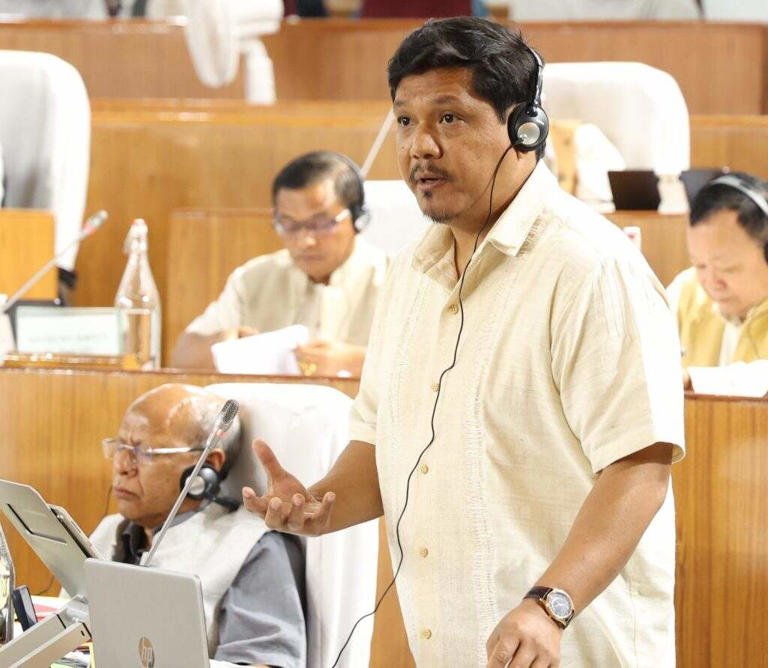
The Meghalaya Legislative Assembly has expressed its opposition to uranium mining and the establishment of uranium processing plants in the state, reflecting continuing concerns over the possible environmental, social and public health implications of such activities.
The issue has remained a sensitive subject in Meghalaya for years, particularly because of concerns raised by local communities and civil society groups over the potential impact of uranium-related projects on land, water sources and the surrounding environment.
The Assembly’s position highlights the strong political and public resistance to uranium mining in the state, where proposed extraction and processing activities have previously generated significant debate.
Meghalaya Assembly Takes Stand Against Uranium Mining
The Meghalaya Assembly has opposed uranium mining and the setting up of uranium processing facilities in the state.
The position reflects concerns that mining and processing activities could have long-term consequences for the environment and communities living near proposed project sites.
Legislators have highlighted the need to protect Meghalaya’s ecological resources and ensure that any development activity takes into account the interests and concerns of local people.
The Assembly’s opposition adds political weight to the long-standing resistance against uranium-related projects in Meghalaya.
The state is known for its environmentally sensitive landscape, and concerns over the possible impact of large-scale extraction activities have remained central to the debate.
Concerns Over Environmental Impact
One of the key concerns surrounding Meghalaya uranium mining relates to its potential environmental consequences.
Mining activities can affect land, forests and water systems if not managed with strict environmental safeguards.
The establishment of processing facilities has also raised concerns regarding the handling and management of radioactive materials and industrial waste.
Communities and organisations opposing the projects have argued that Meghalaya’s environment and natural resources should not be put at risk.
The Assembly’s opposition reflects the view that environmental protection should remain a priority when considering projects involving uranium extraction and processing.
Public and Community Opposition Remains Strong
Local communities have played an important role in opposing uranium mining proposals in Meghalaya.
The issue has generated resistance in areas where uranium deposits have been identified, with residents expressing concerns about land rights, environmental protection and the potential effects on their livelihoods.
For many communities, land is closely connected with identity, traditional ownership and economic security.
Concerns over mining activities therefore extend beyond environmental issues to questions of consent and the protection of community rights.
The Assembly’s stand reflects these wider concerns and signals political support for the opposition expressed by local groups.
Uranium Deposits and Mining Proposals
Meghalaya is known to have uranium deposits, particularly in certain parts of the state.
The presence of these deposits has led to discussions and proposals regarding their possible exploration and extraction.
However, attempts to move forward with uranium-related projects have faced resistance from local communities and political groups.
Opponents have consistently called for caution, arguing that the possible economic benefits should be weighed carefully against environmental and social risks.
The issue has therefore remained unresolved despite the presence of mineral resources that could potentially be developed.
Opposition to Processing Plants
The Assembly’s opposition also extends to the establishment of uranium processing plants.
Processing uranium involves specialised industrial and technical operations, raising additional concerns among communities about safety and environmental management.
Critics have questioned whether such facilities could pose risks to nearby populations and ecosystems.
The Assembly’s position indicates that the opposition is not limited to the extraction of uranium but also covers the infrastructure required to process the mineral.
This broader stand reinforces the message that uranium-related industrial activities are not acceptable to the Assembly under the current circumstances.
Balancing Development and Environmental Protection
The debate over uranium mining reflects a larger challenge faced by resource-rich regions.
Governments must balance the potential economic benefits of mineral extraction with the need to protect ecosystems, public safety and the rights of local communities.
Mining projects can create employment and generate economic activity, but they can also raise concerns regarding land use and environmental degradation.
In Meghalaya, these concerns have been particularly significant because of the state’s fragile ecology and the strong connection between communities and their land.
The Assembly’s opposition suggests that environmental and social considerations remain central to the state’s approach towards uranium-related development.
Importance of Community Consent
The issue of local consent has remained an important part of the debate over uranium mining in Meghalaya.
Communities have argued that major projects affecting their land and environment should not proceed without their involvement and approval.
Traditional institutions and local bodies also play a significant role in the administration and management of land in many parts of Meghalaya.
The Assembly’s stand reflects the importance attached to community concerns and local participation in decisions involving natural resources.
Any future discussions regarding uranium exploration or extraction are likely to continue facing questions about public acceptance and community rights.
Political Significance of Assembly’s Stand
The Meghalaya Assembly’s opposition to uranium mining and processing plants is politically significant because it represents a collective legislative position on a sensitive issue.
The stand could influence future discussions between the state government and Central authorities regarding uranium exploration or related projects.
It also sends a clear message to stakeholders that the concerns of Meghalaya’s people and institutions remain a major factor in decisions involving the state’s natural resources.
The Assembly’s position may strengthen the negotiating position of the state government if future proposals related to uranium mining are considered.
Future of Uranium Mining in Meghalaya
The future of uranium mining in Meghalaya remains uncertain in view of the continuing political and community opposition.
While the state has uranium resources, their presence alone does not guarantee that extraction projects will move forward.
Any future proposal would need to address environmental concerns, safety requirements, land issues and the views of affected communities.
The Assembly’s opposition means that uranium mining is likely to remain a politically sensitive subject.
The issue could continue to generate debate over the balance between resource development and environmental protection.
Meghalaya Uranium Mining Faces Continued Opposition
The Meghalaya uranium mining issue has once again come into focus following the Assembly’s opposition to both mining activities and uranium processing plants.
The stand reflects long-standing concerns over environmental protection, community rights and the possible consequences of uranium-related projects.
With local communities, civil society groups and political representatives continuing to express reservations, any attempt to revive uranium mining proposals is likely to face significant scrutiny.
For now, the Meghalaya Assembly’s position sends a clear signal that the protection of the state’s environment and the interests of its communities remain central to the debate.
The issue is expected to remain an important part of Meghalaya’s political and environmental discourse as discussions over the future use of the state’s natural resources continue.