

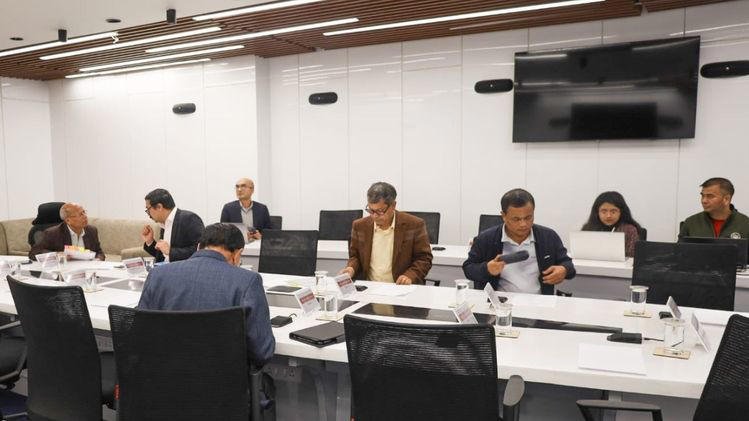
The GHADC term extension Meghalaya decision has been officially approved by the state cabinet, extending the tenure of the Garo Hills Autonomous District Council (GHADC) by six months. The move comes amid administrative and electoral considerations, aiming to ensure continuity in governance and avoid disruptions in the region.
The decision has sparked political discussions across Meghalaya, particularly in the Garo Hills region, where the GHADC plays a crucial role in local administration and development.
Cabinet Decision and Its Rationale
The Meghalaya cabinet’s decision to extend the GHADC term was taken after reviewing the prevailing circumstances. Officials cited administrative challenges and the need for adequate preparation before conducting elections as key reasons behind the move.
The extension is intended to provide sufficient time for electoral arrangements, including voter list updates and logistical planning. As a result, authorities aim to ensure that the elections are conducted smoothly and transparently.
Moreover, the cabinet emphasized that continuity in governance is essential for ongoing development projects in the region.
Importance of GHADC in Regional Governance
The Garo Hills Autonomous District Council holds significant authority in managing local affairs in the Garo Hills region. It is responsible for areas such as land management, cultural preservation, and implementation of development programs.
The GHADC operates under the provisions of the Sixth Schedule of the Constitution, which grants autonomy to certain tribal regions. Therefore, its functioning is critical for maintaining administrative efficiency and cultural identity.
Extending its term ensures that governance structures remain intact while preparations for elections are completed.
Political Reactions to the Extension
The GHADC term extension Meghalaya decision has elicited mixed reactions from political parties and stakeholders. While some have supported the move as a practical step, others have raised concerns about delaying the electoral process.
Supporters argue that the extension is necessary to ensure fair and well-organized elections. They believe that rushing the process could lead to logistical issues and compromise transparency.
On the other hand, critics have questioned the need for a delay, emphasizing the importance of adhering to democratic timelines. They have called for clarity on the reasons behind the extension and the roadmap for upcoming elections.
Administrative and Electoral Preparations
The extension period will be used to strengthen administrative and electoral preparations. Authorities are expected to focus on updating electoral rolls, identifying polling stations, and ensuring adequate security arrangements.
Additionally, training programs for election officials may be conducted to improve efficiency. These measures aim to create a robust framework for conducting elections in the Garo Hills region.
The government has indicated that all necessary steps will be taken to ensure that the elections are conducted without any disruptions.
Impact on Development Projects
The continuation of the GHADC for an additional six months is expected to benefit ongoing development projects. Several initiatives related to infrastructure, education, and healthcare are currently underway in the region.
By extending the council’s term, the government aims to prevent any administrative vacuum that could hinder these projects. Continuity in leadership allows for better implementation and monitoring of development activities.
This approach ensures that the region’s progress is not affected by delays in the electoral process.
Balancing Governance and Democratic Process
The decision to extend the GHADC term highlights the challenge of balancing governance with democratic processes. While timely elections are essential, ensuring preparedness is equally important.
The Meghalaya government has stressed that the extension is a temporary measure aimed at facilitating a smoother electoral process. It has assured that elections will be conducted within the extended timeframe.
Experts believe that maintaining transparency and clear communication will be key to addressing concerns related to the extension.
Broader Implications for Autonomous Councils
The GHADC term extension Meghalaya decision may have broader implications for other autonomous councils in the region. It sets a precedent for handling similar situations where administrative or logistical challenges arise.
Observers note that such decisions must be carefully justified to maintain public trust. Clear guidelines and timelines are essential to ensure that extensions do not undermine democratic principles.
At the same time, flexibility in governance can help address practical challenges effectively.
Way Forward for Elections
Looking ahead, the focus will be on preparing for the GHADC elections within the extended six-month period. The government is expected to announce a detailed schedule once preparations are complete.
Political parties will likely intensify their activities, preparing strategies and engaging with voters. The elections are expected to be closely contested, given the importance of the council.
Ensuring a free and fair electoral process will remain a top priority for authorities.
Conclusion
The extension of the GHADC term by six months reflects the Meghalaya cabinet’s attempt to balance administrative needs with democratic processes. While the decision has generated debate, it also highlights the complexities of governance in autonomous regions.
By providing additional time for preparations, the government aims to ensure smooth and transparent elections. At the same time, continuity in administration will support ongoing development efforts in the Garo Hills region.
As the extended period progresses, the focus will remain on conducting elections efficiently and maintaining public confidence in the democratic process.