

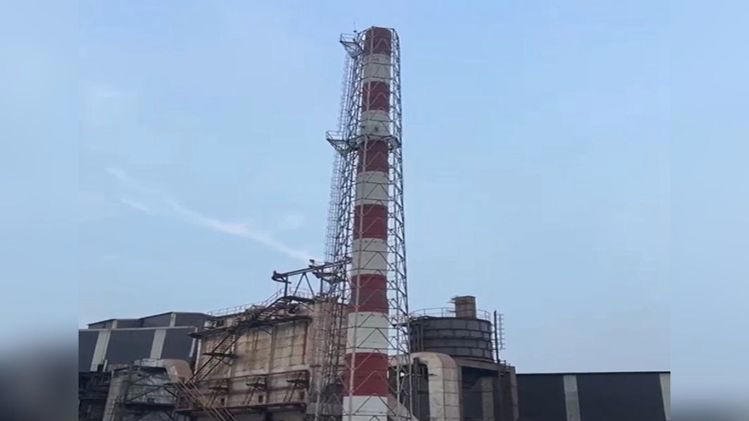
The Meghalaya State Pollution Control Board (MSPCB) has cleared an ethanol manufacturing plant in Byrnihat of allegations related to environmental pollution following a detailed inspection of the facility. The decision comes after concerns were raised regarding the plant’s alleged contribution to pollution in the industrial area, prompting authorities to conduct a comprehensive assessment of its operations and environmental compliance.
According to officials, the inspection did not find evidence linking the ethanol plant to the pollution allegations that had surfaced in recent weeks. The board stated that the facility was operating within the prescribed environmental norms during the inspection and that no major violations directly connected to the accusations were observed.
The findings are expected to provide clarity regarding the plant’s environmental performance while reinforcing the role of regular inspections in ensuring industrial compliance across Meghalaya.
Inspection conducted following public concerns
The inspection was initiated after allegations emerged claiming that the ethanol manufacturing unit was contributing to environmental degradation in and around Byrnihat, one of the most industrially active regions along the Meghalaya-Assam border.
Responding to the concerns, officials from the Meghalaya State Pollution Control Board carried out an on-site inspection to examine the plant’s operations, pollution control systems, waste management practices, and overall compliance with environmental regulations.
The inspection team reportedly evaluated various operational aspects, including emissions management, wastewater treatment, waste disposal mechanisms, and adherence to conditions stipulated under the plant’s environmental clearance.
Officials stated that the exercise was conducted as part of the board’s commitment to ensuring transparency and maintaining strict environmental oversight over industries operating within the state.
No direct link found to pollution allegations
Following the inspection, the Pollution Control Board concluded that there was no evidence establishing a direct connection between the ethanol plant and the pollution allegations raised against it.
Officials stated that the facility’s pollution control infrastructure was functioning during the inspection and that operational practices observed at the site were consistent with applicable environmental standards.
The board clarified that while industrial areas require continuous monitoring due to cumulative environmental pressures, the available findings did not support claims that the ethanol plant was responsible for the alleged environmental violations.
Authorities emphasized that conclusions were based on the observations recorded during the inspection and relevant environmental compliance assessments.
Byrnihat remains an environmentally sensitive industrial zone
Byrnihat has long been recognised as one of the most prominent industrial hubs in the northeastern region, housing numerous manufacturing units across various sectors. The concentration of industries has also made environmental management a priority for regulatory authorities.
Due to increasing industrial activity, the region remains under regular environmental surveillance by pollution control agencies to monitor air quality, water quality, emissions, and industrial waste management.
Officials noted that pollution concerns in industrial clusters often require comprehensive scientific assessments involving multiple facilities rather than attributing environmental impacts to individual units without evidence.
The latest inspection forms part of broader efforts to ensure that industries continue operating responsibly while complying with environmental safeguards.
Importance of regulatory inspections
Environmental inspections play a crucial role in ensuring that industrial establishments comply with pollution control norms established under national and state environmental regulations.
Officials explained that routine and complaint-based inspections help identify operational deficiencies, verify compliance with environmental conditions, and recommend corrective measures wherever necessary.
In cases where violations are detected, regulatory authorities have the power to issue notices, impose penalties, direct corrective action, or suspend operations depending on the severity of non-compliance.
The Meghalaya State Pollution Control Board reiterated that all industries remain subject to periodic monitoring irrespective of previous inspection outcomes, ensuring continuous environmental accountability.
Industry expected to maintain compliance
Although the ethanol plant has been cleared of the specific allegations following the inspection, officials emphasized that environmental compliance is an ongoing responsibility rather than a one-time requirement.
Industrial units are expected to consistently operate pollution control equipment, maintain proper records, monitor emissions, manage waste responsibly, and comply with all conditions specified in their environmental approvals.
Authorities stated that industries must remain vigilant in adopting best environmental practices and implementing technological improvements that reduce pollution risks and improve operational sustainability.
The board also encouraged industries to maintain transparency and cooperate fully during future inspections and environmental audits.
Balancing industrial growth with environmental protection
The latest inspection highlights Meghalaya’s broader objective of balancing industrial development with environmental conservation. As the state continues to attract investment and expand its industrial base, regulatory oversight remains essential to ensure that economic growth does not come at the expense of ecological sustainability.
Officials emphasized that responsible industrialisation requires strict compliance with environmental norms, adoption of cleaner technologies, and continuous monitoring by regulatory agencies.
The government has consistently maintained that sustainable industrial development depends on effective pollution control mechanisms, transparent governance, and cooperation between industries and regulatory authorities.
Such an approach helps protect public health while supporting long-term economic development across the state.
Scientific assessment remains central to environmental governance
The Pollution Control Board reiterated that environmental decisions must be guided by scientific evidence, technical assessments, and regulatory procedures rather than speculation.
Officials noted that allegations concerning pollution require thorough verification through inspections, environmental monitoring, laboratory analysis, and compliance reviews before conclusions can be drawn.
This evidence-based approach ensures fairness to industries while maintaining accountability for environmental protection.
Authorities added that complaints received from the public continue to be taken seriously and investigated promptly to safeguard ecological interests and maintain public confidence in environmental governance.
Continued monitoring to ensure environmental safety
While clearing the Byrnihat ethanol plant of the specific pollution allegations, the Meghalaya State Pollution Control Board confirmed that environmental monitoring in the industrial region will continue as part of its routine regulatory responsibilities.
Officials stated that regular inspections, scientific monitoring, and compliance evaluations remain essential for maintaining environmental standards and addressing emerging concerns promptly.
The board also reaffirmed its commitment to ensuring that all industries operating in Meghalaya adhere to prescribed pollution control norms while contributing to sustainable economic development.
Strengthening confidence through transparent regulation
The Meghalaya State Pollution Control Board’s decision to clear the Byrnihat ethanol plant following a detailed inspection reinforces the importance of evidence-based environmental regulation. By conducting a comprehensive assessment before reaching its conclusion, the board has demonstrated its commitment to transparency, scientific evaluation, and fair regulatory practices.
As industrial activity continues to expand in Byrnihat and other parts of Meghalaya, consistent environmental monitoring will remain critical to protecting natural resources while supporting responsible economic growth. The latest inspection underscores that regulatory agencies will continue balancing industrial development with environmental sustainability through regular oversight, technical evaluations, and strict enforcement of pollution control standards whenever required.