

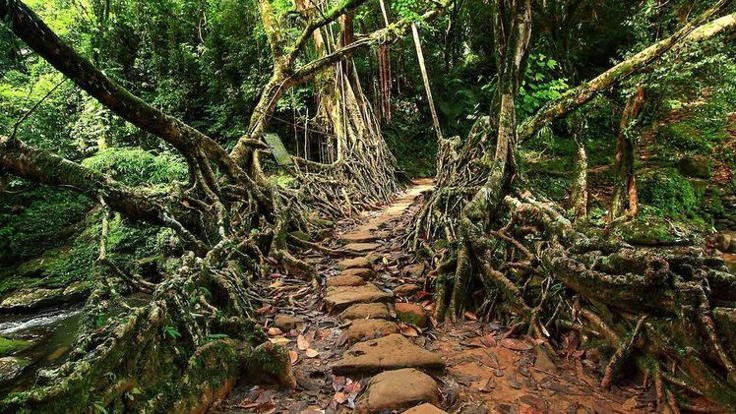
Meghalaya is shifting its tourism strategy beyond conventional visitor numbers, placing greater emphasis on livelihood generation, community participation and climate resilience to ensure that tourism contributes directly to local development.
The state’s evolving approach seeks to position tourism as a source of sustainable income for rural communities while protecting its distinctive natural landscapes, cultural heritage and biodiversity.
With its waterfalls, caves, living root bridges, forests and indigenous traditions, Meghalaya has considerable tourism potential. However, the government is increasingly focusing on how the benefits of tourism can reach local residents, particularly young people, women and communities in remote areas.
The shift reflects a broader effort to develop tourism as an inclusive economic sector rather than treating it solely as a destination promotion exercise.
Community Participation at the Centre of Tourism Development
Community-led tourism is emerging as a key component of Meghalaya’s development strategy.
The approach encourages local residents to participate in planning, managing and operating tourism-related activities, allowing communities to retain a greater share of the economic benefits.
Homestays, local food enterprises, cultural experiences, guided nature walks and community-managed attractions are among the activities supporting this model.
By involving village institutions and local entrepreneurs, the state aims to create opportunities beyond major tourist centres such as Shillong and Sohra.
The approach also recognises the importance of indigenous knowledge and traditional practices in managing natural resources and preserving cultural identity.
Tourism as a Source of Employment for Youth and Women
The tourism sector is being viewed as an important avenue for generating employment and entrepreneurship in Meghalaya.
Local youth can find opportunities in hospitality, adventure tourism, transport, guiding services, digital promotion and tourism management.
Women-led enterprises, including homestays, food businesses, handicrafts and cultural products, can also benefit from the expansion of community-based tourism.
The government aims to encourage small businesses that allow residents to earn income without leaving their villages in search of employment.
This approach is particularly relevant for rural areas where agriculture and other traditional livelihoods remain important sources of income.
Climate Resilience Becomes a Tourism Priority
Meghalaya’s tourism economy depends heavily on its natural environment, making climate resilience an important part of long-term planning.
Changing rainfall patterns, extreme weather events, landslides and environmental degradation can affect tourist infrastructure, accessibility and local livelihoods.
The state’s evolving tourism focus therefore includes the need for environmentally responsible infrastructure, better waste management, protection of water resources and sustainable use of ecologically sensitive areas.
Climate-conscious planning is also important for maintaining the quality of natural attractions that draw visitors to the state.
The objective is to ensure that tourism development does not place excessive pressure on forests, rivers, caves and other fragile ecosystems.
Moving Beyond Traditional Tourist Hotspots
Meghalaya is also seeking to distribute tourism activity across a wider geographical area.
While Shillong, Cherrapunji and Dawki remain prominent destinations, rural communities in other districts possess significant potential for nature-based and cultural tourism.
Promoting lesser-known destinations could help reduce pressure on established tourist hotspots while creating additional income opportunities in remote locations.
Community-managed experiences can also encourage visitors to spend more time in villages and engage with local traditions.
Such diversification is expected to support a more balanced tourism economy.
Infrastructure and Local Capacity Building
The success of community-led tourism depends on reliable infrastructure and the skills of local service providers.
Road connectivity, sanitation, digital access, visitor facilities and responsible waste disposal remain important requirements for tourism development.
Training in hospitality, safety, entrepreneurship and digital marketing can help local businesses meet visitor expectations while maintaining community ownership.
The state is also seeking to strengthen coordination between government departments, local institutions and tourism stakeholders to support long-term growth.
Sustainable Tourism as a Long-Term Economic Strategy
Meghalaya’s changing tourism priorities reflect an effort to connect economic development with environmental protection and community welfare.
By placing livelihoods, local participation and climate resilience at the centre of tourism planning, the state aims to build a model that benefits residents while safeguarding its natural and cultural resources.
The emphasis on inclusive growth also creates opportunities for smaller enterprises to participate in the tourism economy.
As Meghalaya continues to develop its tourism sector, the balance between visitor growth, community benefits and environmental protection will remain central to its long-term strategy.