

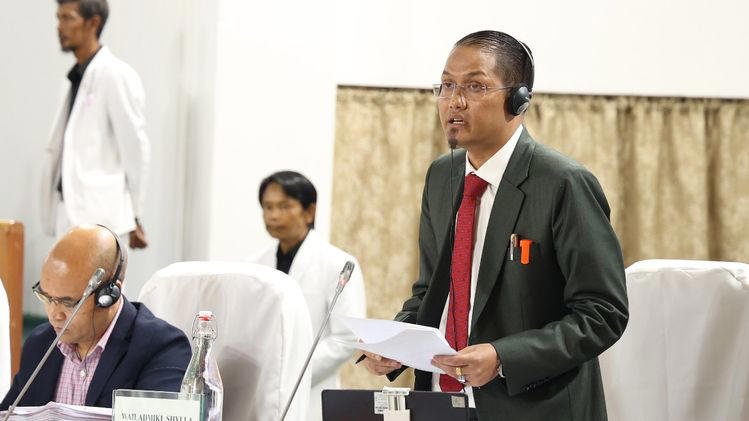
The Meghalaya government has decided to investigate the growing preference and rise in Caesarean section, or C-section, deliveries in the state, Health Minister Ampareen Lyngdoh said, as authorities seek to understand the factors behind the changing pattern of childbirth.
The proposed investigation will examine trends in Caesarean deliveries across government and private healthcare facilities and assess whether the increase is being driven by medical necessity, patient preference, institutional practices or other factors.
The move comes amid a broader focus on improving maternal and child healthcare services in Meghalaya and ensuring that women receive safe and appropriate care during pregnancy and childbirth.
Government to Examine Rising C-Section Trend
Health Minister Ampareen Lyngdoh said the state government will look into the increasing number of C-section deliveries and assess the reasons behind the trend.
A Caesarean section is a surgical procedure used to deliver a baby when a vaginal delivery may pose risks to the mother or child or when complications make surgical intervention necessary.
While C-sections can be lifesaving when medically indicated, unnecessary procedures can expose mothers to avoidable surgical risks and require longer recovery periods.
The government’s proposed review is therefore aimed at understanding whether the rise in C-section deliveries reflects genuine medical requirements or other factors influencing childbirth practices.
Why C-Section Rates Are Being Examined
The increase in Caesarean deliveries has become an important issue in maternal healthcare because the procedure should generally be performed when medically justified.
Several factors can influence C-section rates, including maternal age, pregnancy complications, previous Caesarean deliveries, fetal position and multiple pregnancies.
At the same time, healthcare providers and patients may also face non-medical considerations that influence decisions around delivery.
The Meghalaya government’s investigation could help identify whether there are significant differences in C-section rates between healthcare facilities and districts and whether those differences require further attention.
Focus on Safe Maternal Healthcare
The proposed review does not mean that C-section deliveries are inherently problematic.
Caesarean sections are an essential part of modern obstetric care and can save the lives of mothers and newborns when complications arise.
The concern is whether surgical deliveries are being performed when they are not medically necessary.
The government is expected to focus on ensuring that pregnant women have access to accurate information and appropriate medical advice so that decisions about delivery are based primarily on the health and safety of the mother and baby.
Need to Understand Hospital-Level Differences
One area that may receive attention is the difference in C-section rates between hospitals.
Private and government hospitals may have different patient profiles, staffing arrangements and clinical practices, which can influence the proportion of surgical deliveries.
Analysing facility-level data can help authorities determine whether unusually high C-section rates are concentrated in particular institutions.
Such data can also help identify best practices at facilities where medically appropriate vaginal delivery rates remain high without compromising maternal or neonatal safety.
Maternal Health Remains a Priority
Meghalaya has been working to improve maternal and child health outcomes, particularly in rural and remote areas.
Access to skilled healthcare professionals, timely diagnosis of pregnancy complications and emergency obstetric services are essential to reducing risks during childbirth.
The government will need to ensure that efforts to examine C-section rates do not inadvertently discourage medically necessary procedures.
Instead, the objective should be to achieve an appropriate balance in which women can access surgical intervention whenever it is required while avoiding unnecessary procedures.
Importance of Informed Choices
Pregnant women and their families should have access to clear information about the benefits and risks of different delivery methods.
Informed decision-making can help women understand when a C-section may be medically recommended and when vaginal delivery may be appropriate.
Healthcare providers have an important role in explaining the reasons for recommending surgery and discussing alternatives where clinically possible.
Strengthening counselling and antenatal care could therefore form an important part of the state’s response.
Training and Clinical Guidelines
Medical training and adherence to evidence-based clinical guidelines can also help ensure appropriate use of C-sections.
Doctors and healthcare workers need access to clear protocols for managing common pregnancy and childbirth complications.
Regular audits of Caesarean deliveries can help hospitals identify patterns and examine whether surgical interventions were medically justified.
The government could use the findings of its investigation to strengthen clinical monitoring and improve adherence to established maternal healthcare practices.
Rural Healthcare Facilities Also Important
Any assessment of C-section trends in Meghalaya will need to take into account the state’s geographical challenges.
Many women in rural and remote areas travel considerable distances to access advanced maternal healthcare.
Hospitals equipped with emergency obstetric facilities can therefore play an important role when complications arise.
At the same time, strengthening primary healthcare and antenatal services closer to communities can help identify risks earlier and ensure that women are referred to appropriate facilities when necessary.
Balancing Access and Appropriate Care
The challenge for health authorities is to ensure that women have access to both vaginal delivery and Caesarean services according to their medical needs.
Reducing unnecessary C-sections should not mean restricting access to surgery when it can prevent serious complications.
Similarly, increasing access to surgical facilities should be accompanied by appropriate clinical oversight.
A comprehensive approach combining antenatal care, skilled birth attendance, emergency services and postnatal support can improve outcomes for mothers and newborns.
Data Will Help Guide Policy
Reliable data will be essential for understanding Meghalaya’s changing childbirth patterns.
The government can examine C-section rates by district, hospital, maternal age group and other relevant factors.
Such analysis could help identify whether the increase is widespread or concentrated in specific areas or institutions.
It could also provide evidence for targeted interventions, such as additional training, improved counselling or stronger clinical audits.
Implications for Healthcare Planning
Understanding the reasons behind the rise in C-section deliveries can also help Meghalaya plan its healthcare resources more effectively.
Caesarean procedures require operating theatres, trained surgical teams, anaesthesia services, blood supplies and post-operative care.
If demand for such procedures continues to increase, healthcare facilities will need adequate resources to maintain safety standards.
At the same time, strengthening antenatal and preventive care could help identify and manage complications before they become emergencies.
Government Review Could Improve Maternal Care
The Meghalaya government’s decision to investigate the growing shift towards C-section births highlights the importance of monitoring changing patterns in maternal healthcare.
The review could provide valuable information about why more women are undergoing Caesarean deliveries and whether the increase is medically justified.
For health authorities, the goal will be to ensure that every woman receives appropriate care based on her individual medical circumstances.
Understanding the C-Section Trend
The planned investigation into C-section births gives Meghalaya an opportunity to examine its maternal healthcare system in greater detail.
Caesarean delivery remains an essential and sometimes lifesaving medical procedure, but ensuring that it is used appropriately is equally important.
By analysing hospital-level data, strengthening clinical oversight, improving counselling and expanding quality antenatal care, the state can work towards a healthcare system where women receive the safest and most appropriate method of delivery.
The Health Department’s review could therefore become an important step in understanding Meghalaya’s changing childbirth patterns and improving maternal and newborn healthcare across the state.