

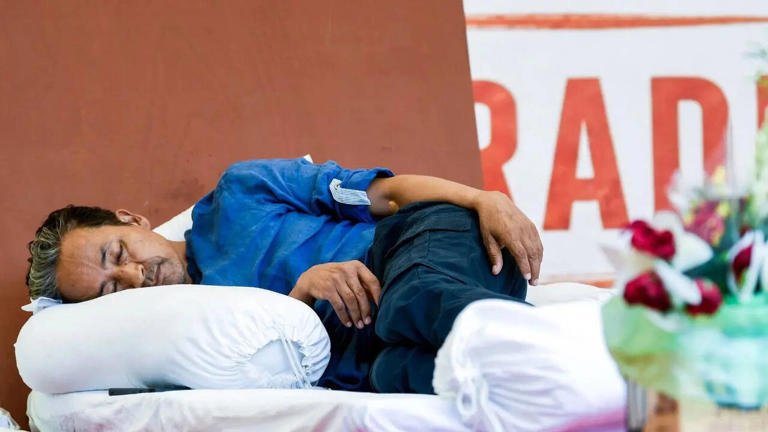
Concerns over the health of education reformer and environmental activist Sonam Wangchuk have intensified after a doctor monitoring his condition warned that his prolonged fast has entered a critical phase. As the fast reached its 19th day, the doctor cautioned that continued fasting could lead to multi-organ complications if the situation persists, describing the next stage as potentially “dangerous.”
The medical update has drawn widespread attention, with supporters, public figures, and observers closely following Wangchuk’s condition. Medical professionals have stressed that prolonged fasting requires continuous monitoring, as the body’s nutritional reserves become increasingly depleted over time.
The warning comes amid growing public concern over Wangchuk’s health as his protest continues.
Medical Team Closely Monitoring His Condition
According to the doctor overseeing Wangchuk’s health, regular medical examinations are being conducted to monitor key health indicators throughout the fast.
The medical team is reportedly tracking vital parameters such as blood pressure, heart rate, oxygen saturation, blood sugar levels, hydration status, body weight, and overall physical condition. Continuous assessment is considered essential to identify any signs of deterioration at the earliest stage.
The doctor stated that prolonged fasting places increasing physiological stress on the body, making regular medical supervision necessary to minimise health risks and respond promptly if complications arise.
Health experts generally note that extended fasting can affect multiple organ systems depending on an individual’s overall condition and medical history.
Concern Over Possible Multi-Organ Complications
The doctor warned that as the fast progresses, the body gradually begins consuming stored energy reserves, eventually affecting normal organ function if nutritional deprivation continues for an extended period.
Medical experts explain that prolonged fasting may increase the risk of complications involving the heart, kidneys, liver, muscles, and other vital organs. They note that sustained nutritional deficiency and dehydration can place considerable strain on the body’s ability to maintain normal physiological functions.
The doctor indicated that continued fasting beyond this stage could significantly increase health risks, underscoring the importance of close medical observation throughout the protest.
The warning has renewed discussions about the physical consequences associated with extended hunger strikes.
Public Concern Grows Over Health Update
The latest medical assessment has generated widespread concern among supporters and members of the public following Wangchuk’s ongoing fast.
Many people have expressed hope that his health remains stable while continuing to monitor developments through official updates. Public attention has also focused on the doctor’s observations regarding the potential health implications of prolonged fasting.
Supporters have continued expressing solidarity through various peaceful means while closely following medical bulletins regarding Wangchuk’s condition.
The health update has further intensified public interest in the ongoing developments surrounding the protest.
Hunger Strikes Carry Serious Medical Risks
Medical professionals generally caution that prolonged hunger strikes can have serious consequences depending on factors such as hydration, age, existing medical conditions, and duration of fasting.
Extended fasting may result in weakness, fatigue, muscle loss, electrolyte imbalance, dizziness, reduced blood pressure, metabolic changes, and impaired organ function. As fasting continues, the body’s ability to compensate for nutritional deficiency gradually decreases.
Doctors typically recommend continuous monitoring during prolonged fasts to identify early signs of medical complications and ensure timely intervention if required.
Experts emphasise that every prolonged fast presents unique medical challenges requiring careful clinical evaluation.
Ongoing Monitoring Remains Essential
The doctor emphasised that close observation of Wangchuk’s condition will continue as long as the fast persists.
Medical evaluations are expected to remain frequent so that any significant changes in health status can be detected promptly. Continuous assessment helps doctors evaluate whether the body is maintaining essential physiological functions or showing signs of progressive deterioration.
Healthcare professionals involved in monitoring prolonged fasting generally rely on regular clinical examinations and laboratory investigations to assess nutritional status, hydration, cardiovascular function, and overall health.
The medical team has reportedly remained vigilant in observing any changes that may require immediate attention.
Protest Continues Amid Health Concerns
While the medical warning has highlighted the risks associated with the prolonged fast, Wangchuk’s protest continues to attract significant public attention across the country.
The latest health update has shifted focus toward the physical impact of the ongoing fast, with observers expressing concern over the possible consequences if it continues for an extended period.
Public discussion has centred both on the issues raised during the protest and the growing medical concerns outlined by the attending doctor.
Supporters continue to closely monitor official updates regarding Wangchuk’s health while hoping for a positive resolution.
Doctors Stress Importance of Timely Medical Care
Medical experts consistently emphasise that individuals undertaking prolonged fasts should remain under continuous professional supervision due to the potential for serious complications.
Regular health assessments enable doctors to monitor vital organ function, evaluate nutritional status, and identify medical emergencies before they become life-threatening.
As Sonam Wangchuk’s fast enters its 19th day, the attending doctor’s warning about the possibility of multi-organ complications has underscored the increasing health risks associated with prolonged fasting. With continuous medical monitoring in place, public attention remains focused on his condition as healthcare professionals closely observe his health and assess any changes that may occur in the coming days.