

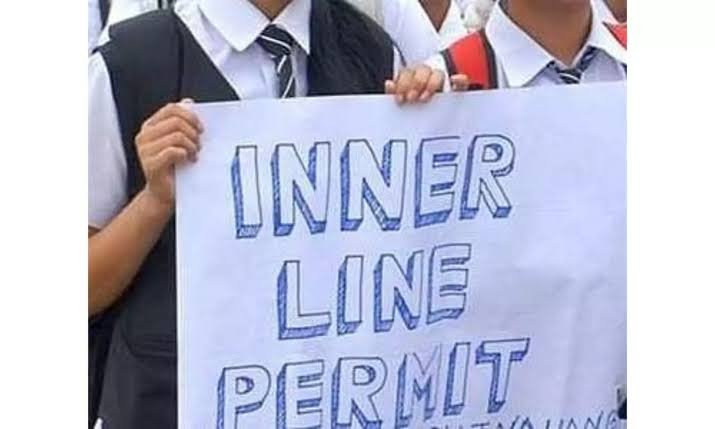
The Naga students ILP overhaul demand has brought renewed attention to Nagaland’s Inner Line Permit system. The student body has called for major changes to the existing framework and stronger enforcement of entry rules.
The demand focuses on tightening the permit process and improving monitoring of people entering the state. The organisation has also raised concerns about gaps in the current system.
The Inner Line Permit remains an important regulatory mechanism in Nagaland. Therefore, changes to its implementation could affect visitors, workers and other non-indigenous residents who require permits to enter or stay in protected areas.
Nagaland Congress mounts strong call for CEC resignation over SIR
Naga Students ILP Overhaul Demand Targets Existing System
The Naga students ILP overhaul demand centres on a complete review of the existing Inner Line Permit framework. The student organisation wants authorities to address what it considers weaknesses in the current system.
An effective permit system requires clear rules and consistent enforcement. Moreover, authorities need reliable records to monitor people entering and leaving protected areas.
The organisation has therefore sought stronger administrative measures. These measures would aim to improve verification and ensure that people follow applicable entry requirements.
Nagaland has used the Inner Line Permit system to regulate the entry of people from outside the state. The system operates under rules that require eligible visitors to obtain permission before entering designated areas.
However, implementation can involve practical challenges. These may include verification, documentation and monitoring at different entry points.
The students’ body has called for an overhaul rather than limited administrative changes. Its demand indicates that the organisation wants authorities to examine the system as a whole.
Any major change, however, would require decisions by the competent authorities. The government would need to assess the existing rules and determine which measures could strengthen implementation.
Students Seek Stronger ILP Enforcement
The Naga students ILP overhaul demand also focuses on enforcement. Student organisations have previously raised concerns about the regulation of outsiders and the need to protect local interests.
A permit system can work effectively only when authorities apply its requirements consistently. Furthermore, accurate documentation can help officials identify people who enter without the required permission.
The demand for an overhaul therefore extends beyond issuing permits. It also concerns monitoring and enforcement after visitors enter the state.
Authorities may need to examine existing verification procedures at entry points. Additionally, digital records and better coordination between departments could improve administrative monitoring if the government considers such measures.
The students’ body has also emphasised the need for accountability within the system. Clear responsibility can help ensure that officials follow established procedures.
Meanwhile, stronger enforcement must operate within the applicable legal framework. Any changes would need to respect existing laws, government notifications and the rights of people affected by the permit system.
The organisation’s demand does not itself change the existing ILP rules. Instead, it places pressure on the authorities to examine whether the present framework meets its intended objectives.
Inner Line Permit Remains Important for Nagaland
The Naga students ILP overhaul demand comes amid continuing discussion about migration, identity and regulation in Nagaland. The ILP provides a mechanism for regulating the entry of people who do not belong to communities covered by the protected-area framework.
For visitors, the permit requirement means that travel arrangements can involve additional documentation. Workers and other people who need to stay in the state may also have to comply with specific conditions.
Therefore, any overhaul could have practical consequences for different groups. Visitors may face revised procedures, while government departments could receive additional responsibilities for verification and enforcement.
At the same time, the system’s effectiveness depends on implementation. Rules alone cannot prevent violations unless officials have the resources and procedures needed to enforce them.
Moreover, the government must balance regulatory requirements with administrative efficiency. A complicated permit process could create difficulties for legitimate visitors if authorities do not provide clear procedures.
A stronger system could instead focus on transparent verification and reliable records. Such measures could make compliance easier while helping officials identify potential violations.
The students’ demand has consequently brought attention to both policy and implementation. The government would need to assess these aspects before introducing any substantial changes.
Government Response Will Determine Next Steps
The Naga students ILP overhaul demand now places the focus on the government’s response. Authorities would need to examine the concerns raised by the student organisation before deciding whether changes are necessary.
A comprehensive review could examine how permits are issued, verified and monitored. It could also assess enforcement at entry points and coordination between relevant departments.
Furthermore, authorities could consult affected communities and organisations before introducing significant changes. Such consultations can help identify practical problems within the existing system.
However, the students’ demand should not be treated as an announcement of a government decision. No policy change takes effect simply because an organisation calls for an overhaul.
Any revised framework would require appropriate administrative or legal action. Authorities would also need to communicate new requirements clearly to visitors and other affected groups.
Meanwhile, continued monitoring will show whether the government takes up the demand and proposes specific changes. Until then, the existing ILP framework remains the applicable system.
The issue also reflects the wider importance of effective entry regulation in protected areas. Clear rules, consistent enforcement and accessible procedures can help authorities manage the system more effectively.
Conclusion
The Naga students ILP overhaul demand has renewed attention on Nagaland’s Inner Line Permit system. The student body has called for a complete review and stronger implementation of the existing framework.
Its demand focuses on enforcement, monitoring and the effectiveness of entry regulations. However, the call itself does not change the current permit requirements.
The next steps will depend on the government’s response and any formal decisions by the competent authorities. Meanwhile, the existing ILP rules continue to apply to people covered by the system.
FAQs
What is the Naga students ILP overhaul demand?
The Naga students ILP overhaul demand calls for a comprehensive review of the Inner Line Permit system and stronger enforcement of entry regulations in Nagaland.
What is the Inner Line Permit system?
The Inner Line Permit is a regulatory mechanism used in certain protected areas to control the entry of people from outside the applicable state or region.
Why do student organisations want stronger ILP enforcement?
Student organisations have raised concerns about implementation and monitoring. They want authorities to ensure that applicable entry requirements receive consistent enforcement.
Will the demand immediately change ILP rules?
No. A demand from a student organisation does not automatically change government policy. Any changes would require appropriate action by the competent authorities.
What could an ILP overhaul involve?
A review could examine permit issuance, verification, monitoring and enforcement procedures. However, specific changes would depend on decisions by the government.