

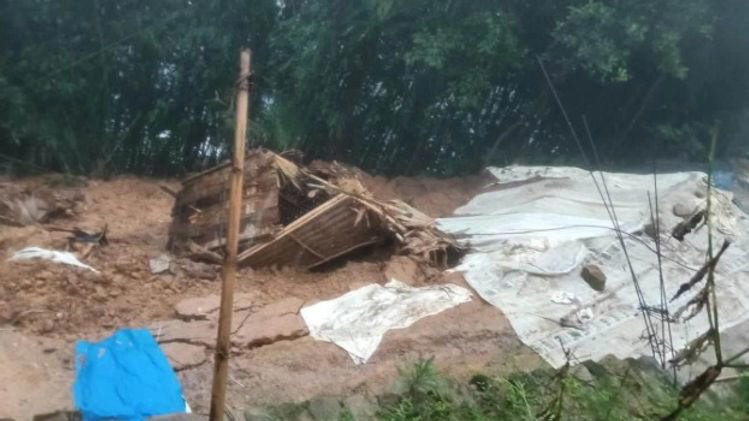
The flood situation in Nagaland has worsened, with the death toll rising to nine while four people remain missing and more than 7,400 residents have been affected by continuous heavy rainfall and widespread flooding. Torrential rains have triggered overflowing rivers, landslides, and waterlogging across several districts, causing extensive damage to homes, roads, bridges, and public infrastructure.
State authorities, along with disaster response teams, have intensified rescue and relief operations to assist affected communities. Temporary shelters have been established for displaced families, while emergency supplies, including food, drinking water, and medicines, are being distributed to those in need.
The ongoing crisis has disrupted daily life across several parts of the state, prompting authorities to remain on high alert as weather conditions continue to pose challenges.
Flood Death Toll Climbs to Nine
According to official reports, the number of fatalities linked to the floods has increased to nine as heavy rains continue to batter the state. Rescue teams are also searching for four individuals who remain missing following flood-related incidents.
Authorities have expressed concern that the situation could worsen if rainfall continues in vulnerable areas. Search operations are being carried out with the help of local administration, disaster response personnel, police, and volunteers to locate those reported missing.
The state government has extended condolences to the families of the deceased and assured all possible assistance to those affected by the disaster.
Over 7,400 People Impacted Across the State
More than 7,400 people have been affected by the floods, with numerous families forced to leave their homes due to rising water levels and landslides.
Several villages and urban areas have experienced severe flooding, damaging residential buildings, agricultural land, public utilities, and transportation networks. In many locations, roads have become inaccessible, making rescue and relief operations more challenging.
Displaced families have been shifted to relief camps where authorities are providing essential supplies and medical assistance.
Officials continue to assess the full extent of the damage as reports emerge from different parts of the state.
Rescue and Relief Operations Underway
State disaster management authorities, police personnel, and emergency response teams are working around the clock to rescue stranded residents and deliver relief materials to affected communities.
Boats and specialised rescue equipment have been deployed in inundated areas, while teams are clearing blocked roads and restoring access to isolated villages. Relief camps have been equipped with food, clean drinking water, blankets, and medical supplies to support displaced families.
Medical teams have also been deployed to monitor public health conditions and prevent the outbreak of waterborne diseases, which often become a concern during prolonged flooding.
Authorities have appealed to residents to cooperate with rescue teams and follow official advisories.
Heavy Rainfall Continues to Challenge Authorities
Continuous rainfall remains one of the biggest challenges for rescue and recovery operations. Overflowing rivers and swollen streams have increased the risk of flash floods, while saturated soil has triggered landslides in hilly regions.
The persistent rain has slowed restoration work, making it difficult for authorities to repair damaged infrastructure and reconnect isolated communities.
Weather conditions are being closely monitored, and officials have advised people living in vulnerable areas to remain alert and avoid unnecessary travel.
Emergency services remain prepared to respond quickly should the situation deteriorate further.
Damage to Infrastructure and Agriculture
The floods have caused extensive damage to roads, bridges, electricity networks, and water supply systems across several districts. Transportation has been disrupted in many areas due to submerged roads and landslides blocking key routes.
Agricultural fields have also suffered significant losses, with standing crops submerged under floodwaters. Farmers fear that the damage could affect agricultural production and livelihoods in the coming months.
Public infrastructure, including schools and government buildings in some locations, has also been affected by the flooding.
Authorities are conducting damage assessments to determine the scale of financial losses and plan long-term rehabilitation measures.
Relief Camps Support Displaced Families
Temporary relief camps have been established to provide shelter for families forced to evacuate flood-hit areas. These camps are supplying food, drinking water, sanitation facilities, and healthcare services to those displaced by the disaster.
Volunteers, local organisations, and community groups have joined government agencies in supporting relief efforts by distributing essential items and assisting vulnerable residents.
Special attention is being given to children, elderly individuals, and people with medical conditions to ensure they receive appropriate care during their stay in relief shelters.
The state government has assured that relief assistance will continue until affected families are able to safely return to their homes.
Government Monitors the Situation Closely
The Nagaland government is closely monitoring developments through the State Disaster Management Authority and district administrations. Officials are maintaining constant communication with local authorities to coordinate rescue, relief, and rehabilitation efforts.
Emergency control rooms have been activated to receive reports from affected districts and facilitate rapid response wherever required.
Authorities have also urged residents to rely only on official weather updates and disaster advisories while avoiding rumours circulating on social media.
The government has reiterated its commitment to providing all necessary support to affected communities throughout the emergency.
Importance of Disaster Preparedness
The ongoing floods once again highlight the importance of disaster preparedness, especially in states prone to heavy monsoon rainfall and landslides.
Experts emphasise that early warning systems, improved drainage infrastructure, better land-use planning, and community awareness programmes can significantly reduce the impact of natural disasters.
Investments in resilient infrastructure and effective disaster management strategies are becoming increasingly important as extreme weather events occur more frequently across different parts of the country.
Strengthening coordination among government agencies, local communities, and emergency services remains essential for improving disaster response capabilities.
Recovery Efforts Continue
As Nagaland battles one of its most challenging flood situations in recent months, authorities remain focused on rescue, relief, and rehabilitation. With nine lives lost, four people still missing, and over 7,400 residents affected, the priority remains ensuring the safety of vulnerable communities and providing timely assistance to those in need.
The combined efforts of disaster response teams, government agencies, volunteers, and local communities continue to play a crucial role in managing the crisis. As weather conditions evolve, authorities remain vigilant while working towards restoring normalcy and helping affected families recover from the devastating impact of the floods.