

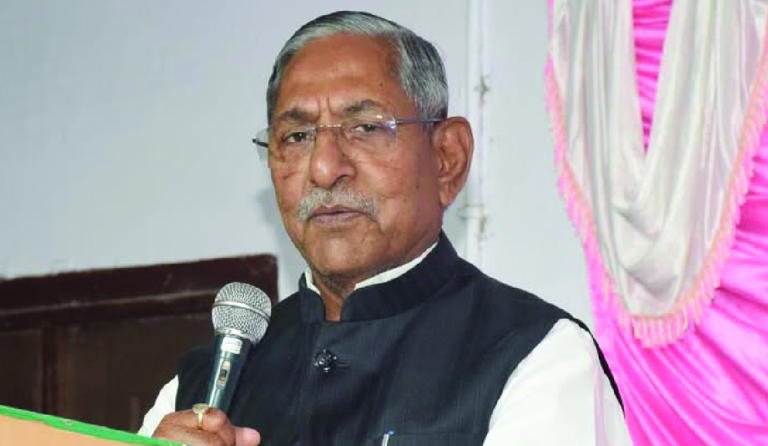
Nagaland Governor La Ganesan has called for a stronger focus on future-ready education, emphasizing the need to equip students with the knowledge, skills, and adaptability required to thrive in a rapidly evolving world. Addressing an educational gathering, the Governor stressed that traditional learning approaches must evolve to meet the demands of the 21st century and prepare young people for emerging opportunities and challenges.
The Governor highlighted the transformative impact of technology, globalization, and innovation on education and employment. He urged educational institutions, policymakers, teachers, and stakeholders to work together to create a learning ecosystem that nurtures critical thinking, creativity, digital literacy, and lifelong learning.
His remarks reflect growing recognition of the need to modernize education systems and ensure that students are prepared not only for academic success but also for meaningful participation in an increasingly dynamic global economy. The call for future-ready education aligns with broader national efforts to strengthen educational quality and promote skill-based learning.
Importance of Adapting to a Changing World
During his address, the Governor emphasized that the world is undergoing rapid transformations driven by technological advancements, automation, artificial intelligence, and digital innovation. These changes are reshaping industries, creating new career opportunities, and altering the skills required for success in the workforce.
According to the Governor, educational institutions must respond proactively to these developments by adopting modern teaching methodologies and integrating relevant skills into curricula. He noted that students entering today’s classrooms will eventually work in professions that may not yet exist, making adaptability and continuous learning essential.
The Governor stressed that education should not merely focus on memorization and examinations but should foster the ability to think critically, solve problems, and innovate in response to emerging challenges.
Building Skills for the Future
A major theme of the Governor’s address was the importance of skill development. He highlighted the growing demand for competencies such as digital literacy, communication skills, collaboration, creativity, and analytical thinking.
Future-ready education, he explained, involves preparing students with practical skills that complement academic knowledge. Educational institutions must therefore create opportunities for experiential learning, project-based activities, and hands-on engagement with real-world problems.
The Governor emphasized that students should be encouraged to develop confidence, leadership qualities, and entrepreneurial mindsets. Such skills will not only improve employability but also empower young people to contribute meaningfully to society and economic development.
Role of Technology in Education
Technology has emerged as a powerful tool for transforming educational experiences, and the Governor underscored its importance in preparing students for the future. He noted that digital platforms, online resources, and interactive learning tools have expanded access to knowledge and created new opportunities for personalized education.
The Governor encouraged institutions to embrace technology while ensuring that students develop the digital skills necessary to navigate an increasingly connected world. He emphasized that technology should be used not merely as a supplementary tool but as an integral component of modern education.
At the same time, he highlighted the importance of balancing technological advancement with human values, ethical considerations, and social responsibility.
Strengthening Teacher Capacity
Recognizing the critical role of educators, the Governor called for continuous professional development and capacity building for teachers. He noted that teachers are central to the success of any educational reform and must be equipped with the skills needed to guide students in a changing environment.
Training programs, exposure to innovative teaching practices, and access to modern educational resources can help teachers adapt to evolving classroom needs. The Governor stressed that empowering educators ultimately leads to better learning outcomes and improved student engagement.
He also highlighted the importance of fostering a culture of innovation among teachers, encouraging them to experiment with new approaches and methodologies that enhance learning experiences.
Encouraging Innovation and Creativity
Future-ready education requires students to move beyond conventional approaches to learning and embrace creativity and innovation. The Governor emphasized the need to create educational environments where curiosity is encouraged and students are inspired to explore new ideas.
Innovation, he noted, is a key driver of economic growth and societal progress. Educational institutions therefore have a responsibility to nurture problem-solving abilities and entrepreneurial thinking from an early stage.
By encouraging innovation, schools and colleges can help students develop the confidence to tackle complex challenges and contribute to advancements in science, technology, business, and social development.
Importance of Holistic Development
The Governor also stressed that education should focus on the holistic development of students rather than solely on academic achievement. Future-ready learners require not only intellectual capabilities but also emotional intelligence, resilience, and ethical values.
He highlighted the importance of extracurricular activities, sports, arts, cultural engagement, and community service in shaping well-rounded individuals. Such experiences help students develop teamwork, leadership, empathy, and social awareness.
According to the Governor, holistic education prepares young people to navigate personal and professional challenges while contributing positively to their communities and society at large.
Aligning Education with Employment Opportunities
One of the major challenges facing education systems globally is ensuring that graduates possess skills aligned with labor market requirements. The Governor emphasized the need for stronger collaboration between educational institutions, industries, and employers.
By understanding emerging workforce trends and industry demands, institutions can design programs that better prepare students for future careers. Vocational education, technical training, internships, and industry partnerships were highlighted as important components of a future-ready education framework.
The Governor noted that such initiatives can help bridge the gap between education and employment while creating pathways for economic empowerment and career growth.
Supporting National Education Goals
The Governor’s call for future-ready education aligns with broader educational reforms being implemented across India. National initiatives have increasingly focused on skill development, innovation, digital learning, and multidisciplinary approaches to education.
Officials believe that states such as Nagaland have significant opportunities to benefit from these reforms by tailoring educational strategies to local needs while embracing national objectives. Strengthening educational quality can contribute to social development, economic growth, and greater opportunities for young people.
The Governor encouraged stakeholders to work collectively to ensure that educational institutions remain responsive to changing realities and continue to prepare students for future success.
Looking Ahead
The Governor’s vision for future-ready education reflects a broader understanding of the challenges and opportunities facing today’s students. As technological advancements and global transformations continue to reshape societies, education systems must evolve to remain relevant and effective.
By emphasizing skills development, innovation, technology integration, teacher empowerment, and holistic learning, Nagaland aims to create an educational environment that equips students for success in the modern world. The Governor’s message serves as a call to action for educators, policymakers, and communities to prioritize reforms that prepare learners for an uncertain yet opportunity-filled future.
As Nagaland continues to strengthen its education sector, the focus on future-ready learning is expected to play a crucial role in shaping the next generation of leaders, innovators, professionals, and responsible citizens. Through collaborative efforts and sustained commitment, the state can build an education system that not only meets present needs but also anticipates the demands of tomorrow.