

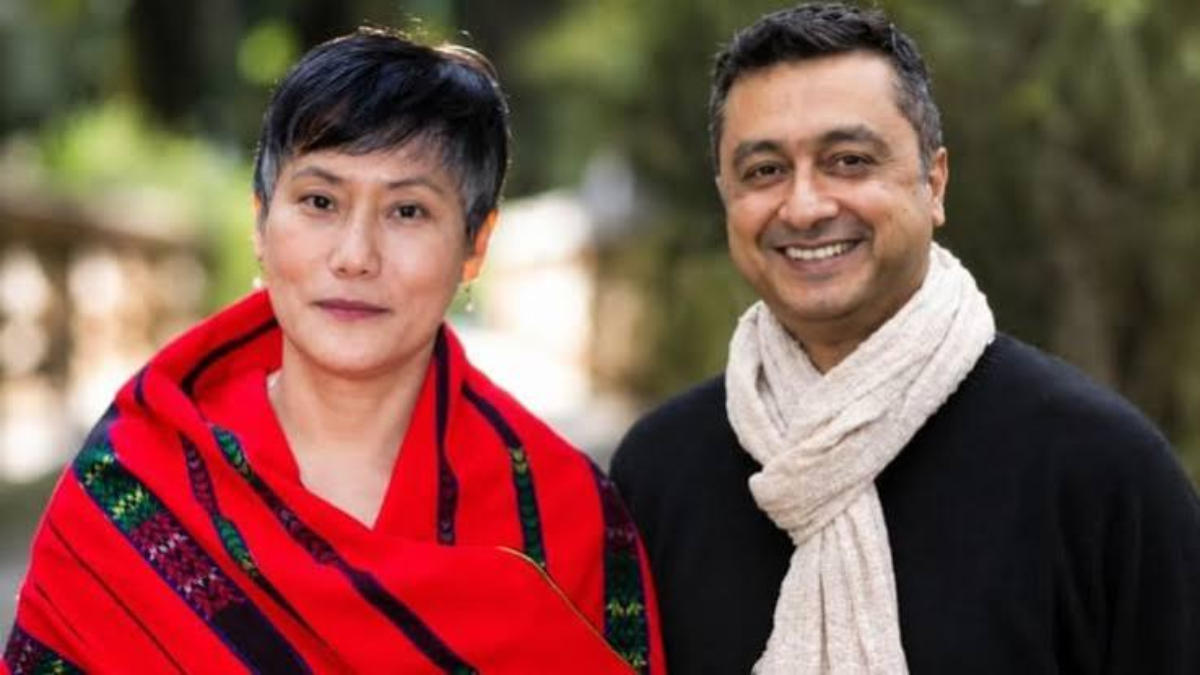
Nagaland House incident involving professors Dolly Kikon and Sanjay Barbora has triggered calls from academics, writers and civil society members for an impartial inquiry and an unqualified apology from the Nagaland government. The alleged confrontation took place at Nagaland House in RK Puram, New Delhi, on September 15 following a documentary screening organised by the Naga Scholars’ Association (NSA).
Nagaland House incident follows documentary screening
The programme featured a screening of Kikon’s documentary A Sacred Place, followed by an interaction with students and scholars. Kikon, an anthropologist and professor at the University of California, Santa Cruz, had been invited by the NSA as a resource person. Sanjay Barbora, also a professor at the same university, accompanied her.
According to accounts cited by academic groups, students and scholars continued speaking with the professors near the reception area after the scheduled programme ended. A staff member allegedly asked the group to leave in an aggressive manner.
The allegations state that Barbora objected to how the students and guests were being treated. The staff member allegedly confronted him and challenged him to a physical altercation. Kikon was also reportedly asked to leave despite explaining that she had been invited for the programme.
Academics seek impartial inquiry
More than 30 academics, journalists, scholars, writers, artists and concerned citizens subsequently called for a transparent and impartial inquiry into the incident.
A statement issued by the group sought an “unqualified apology” to Kikon and Barbora. The signatories also demanded appropriate action based on the findings of any inquiry.
The group said the matter required attention because Nagaland House functions as a public institution representing the Nagaland government in the national capital. They argued that such premises should offer a respectful environment for students, scholars, invited guests and members of the public.
Different accounts emerge over the confrontation
Reports on the incident contain accounts from the organisers and supporters of the two professors, while details of the alleged confrontation have not been independently established through a government inquiry.
A report by Morung Express said participants had finished the programme early and were cleaning the venue and arranging chairs when staff members asked them to clear the premises. It also reported that the situation was eventually brought under control after the intervention of the public relations officer, with apologies exchanged between those involved.
Other accounts from academic groups describe the interaction as more serious, alleging humiliation, intimidation and aggressive behaviour toward the professors. The Roots & Bridges Collective, which said it represents 91 academics, researchers and scholars, also issued a statement condemning the alleged treatment.
The Naga Scholars’ Association has also reportedly lodged a formal complaint over the conduct of staff at the premises.
Calls for accountability and staff training
The controversy has expanded beyond the immediate incident, with academics raising questions about how public institutions should deal with scholarly gatherings and visiting researchers.
The signatories have called for proper training of public-facing officials and staff at Nagaland House. They said officials handling students, researchers, invited guests and members of the public should maintain professionalism, courtesy and respect.
The statements have also highlighted concerns about ethnic and linguistic sensitivities in interactions involving people from different communities of the Northeast. However, allegations concerning discriminatory treatment remain matters for investigation rather than established findings.
The Roots & Bridges Collective separately questioned whether Nagaland House was an appropriate venue for academic and cultural events involving film screenings and discussions on Naga heritage, while urging greater sensitivity toward scholars and students using the facility.
The demands now centre on an impartial examination of what happened on September 15, followed by action based on verified findings. An official inquiry could help establish the sequence of events and determine whether any staff conduct breached administrative standards.
The controversy has also renewed attention on the role of state-run institutions outside their home states. For the academics who have called for action, the immediate issues are accountability, professional conduct and the treatment of invited scholars at a public facility.
The Nagaland government’s response and any formal findings from an inquiry will determine the next stage of the matter.
Guns N’ Roses India Tour 2026 adds powerful Indian rock acts