

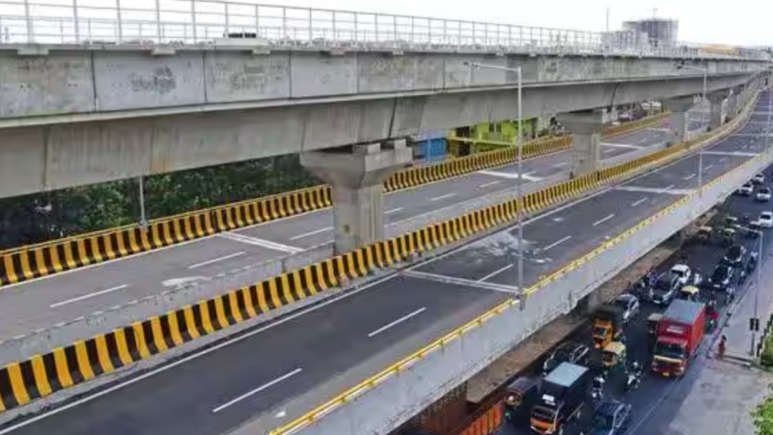
Bengaluru’s Namma Metro network is set for another major expansion with Phase III of the project.
The Centre approved the project in August 2024. The project covers 44.65 km across two elevated corridors. It will have 31 stations and an estimated completion cost of Rs 15,611 crore. The foundation stone was laid in August 2025.
The project aims to connect several areas that currently have limited metro access. It will also strengthen links between residential neighbourhoods, industrial zones, educational institutions and major employment centres.
For daily commuters, the expansion could offer another alternative to Bengaluru’s heavily congested roads.
Two Corridors Will Form Phase III
Phase III consists of two major corridors.
The first corridor will run from JP Nagar 4th Phase to Kempapura along the western section of the Outer Ring Road. It will stretch 32.15 km.
The second corridor will connect Hosahalli with Kadabagere along Magadi Road. It will cover 12.50 km.
Together, the two corridors will add 44.65 km to the metro network. The government describes the project as a major expansion of public transport in Bengaluru.
The corridors will remain elevated. This design will allow the metro to pass through busy urban areas without requiring underground construction across the entire route.
Which Areas Will Gain Better Connectivity?
Phase III will improve metro access across several important parts of western and southern Bengaluru.
The first corridor will serve areas around JP Nagar, the western Outer Ring Road and Kempapura. It will also connect important industrial and technology clusters.
The project will improve access to the Peenya Industrial Area. It will also connect industrial and technology areas around Tumakuru Road and the Outer Ring Road.
The corridor will also serve institutions such as PES University, Ambedkar College, KLE College and Dayananda Sagar University.
The second corridor will run through the Magadi Road side of the city. It will connect Hosahalli with Kadabagere and improve public transport access for residents in the western suburbs.
What Phase III Means for Daily Commuters
For many commuters, the biggest benefit could come from better access to the metro.
People who currently depend on buses, cars, two-wheelers or autorickshaws may get another public transport option.
The government expects Phase III to reduce pressure on some heavily congested roads. These include parts of the western Outer Ring Road and Magadi Road.
Metro trains can also provide more predictable journey times than road transport during peak traffic. However, actual time savings will depend on station access, train frequency and connections with other transport services.
The project could also make daily travel easier for people who work or study along the new corridors.
Better Links With Existing Metro Lines
One important feature of Phase III is its planned integration with the existing metro system.
The project includes multimodal integration at several locations. These include JP Nagar 4th Phase, JP Nagar, Kamakya, Mysore Road, Sumanahalli, Peenya, BEL Circle, Hebbal, Kempapura and Hosahalli.
The planned connections will link Phase III with existing or upcoming metro stations. They will also connect with BMTC bus services and railway stations.
The government has also planned pedestrian paths, bus bays and auto-rickshaw stands at Phase III stations. Parking facilities will be available at 11 important stations.
The plan includes links to railway stations at Lottegollahalli and Hebbal through foot overbridges or skywalks.
These connections could reduce the need for commuters to rely on private vehicles for the entire journey.
Last-Mile Connectivity Will Be Important
A metro station alone cannot solve every commuting problem.
Commuters still need convenient ways to reach stations from their homes and workplaces. Phase III therefore includes provisions for feeder services and other last-mile options.
The government has proposed dedicated bus bays, pick-up and drop-off areas and auto-rickshaw stands at stations.
Bike and cycle-sharing facilities are also planned at Phase III stations.
BMTC already operates feeder buses at operational metro stations. The government plans to extend such services to the new Phase III stations as well.
The success of these services will matter for commuters who live several kilometres away from a metro station.
Project Could Ease Road Congestion
Bengaluru remains heavily dependent on road transport. Traffic congestion affects commuters across the city, particularly during peak hours.
Phase III will provide an alternative on some of the busiest routes.
The government expects the project to reduce road traffic on the western Outer Ring Road, Magadi Road and other arterial roads.
Fewer vehicles on these routes could improve road movement. It could also reduce travel times for some road users.
However, the extent of congestion reduction will depend on how many commuters shift from private vehicles to public transport.
Environmental Benefits for Bengaluru
The metro expansion could also support cleaner urban transport.
Metro systems can carry large numbers of passengers while producing fewer emissions per passenger than many private vehicles.
The government expects Phase III to contribute to lower carbon emissions by encouraging public transport use.
The project could also support more sustainable urban development around the new stations.
Areas that previously had limited public transport access may become more connected to employment, education and commercial centres.
Bengaluru Metro Network to Grow Further
Once Phase III becomes operational, Bengaluru’s active metro network will reach around 220.20 km under the approved project plan.
The government had projected Phase III for operation by 2029 when the Cabinet approved the project in 2024.
The project will therefore form an important part of Bengaluru’s long-term public transport expansion.
The city already has several metro corridors operating or under construction. Phase III will add another major layer to that network.
For commuters, the value will depend not only on the new tracks. Easy transfers, frequent trains and reliable feeder services will also matter.
What Commuters Can Expect
The 45-km Phase III project will not transform every Bengaluru commute overnight.
Its benefits will depend on where commuters live, work and study. People along the JP Nagar-Kempapura and Hosahalli-Kadabagere corridors are likely to gain direct access to the new lines.
Other commuters could benefit through interchange stations and connections with buses and railways.
The planned multimodal links could make it easier to combine different forms of public transport.
For Bengaluru, the larger objective is to build a connected public transport network that can support the city’s expanding population and economy.
Phase III Marks Another Step in Bengaluru’s Metro Expansion
Namma Metro Phase III will add 44.65 km of elevated tracks and 31 stations at a cost of Rs 15,611 crore.
The project will connect western and southern parts of Bengaluru with important industrial, commercial and educational areas.
It will also create more links with existing metro lines, BMTC buses and railway stations.
For commuters, the project offers the prospect of more public transport choices and better connectivity. Its eventual impact will depend on timely construction, reliable operations and effective last-mile connectivity.
With Phase III, Bengaluru is continuing its shift towards a larger, integrated metro network designed around the city’s growing transport needs.