

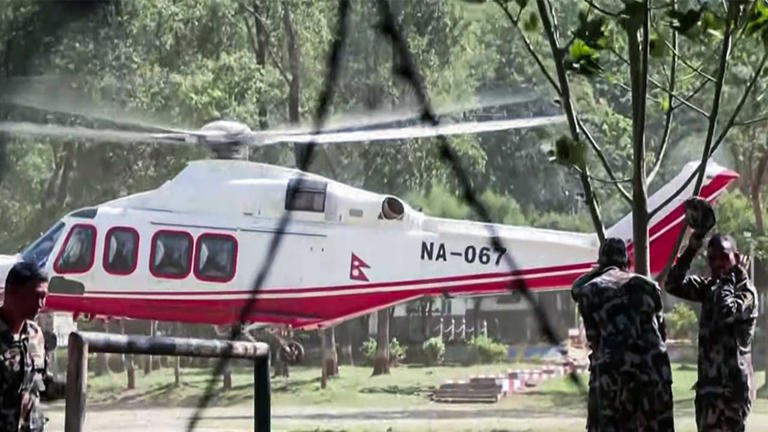
Nepal Prime Minister Balendra “Balen” Shah has reaffirmed his government’s commitment to citizens affected by the devastating floods that have caused widespread destruction and loss of life across parts of the country.
Shah’s assurance comes as Nepal continues to deal with the aftermath of severe flooding and landslides, with rescue teams working to reach stranded residents, locate missing people and provide emergency assistance to affected communities.
The disaster has placed significant pressure on the country’s emergency response systems, while damaged roads, bridges and other infrastructure have complicated relief operations.
Balen Shah Assures Flood-Affected Citizens
Prime Minister Balen Shah has assured people affected by the floods that the government remains committed to supporting them through the crisis.
The Prime Minister’s message comes amid growing concerns over the scale of the destruction and the needs of communities that have lost homes, livelihoods and access to essential services.
Shah has emphasised the importance of ensuring that affected citizens receive assistance during the emergency response and subsequent recovery process.
The government’s focus is expected to remain on rescue operations, relief distribution and restoration of essential infrastructure as authorities assess the full impact of the disaster.
Rescue Operations Continue Across Nepal
Rescue teams continue to work in areas affected by flooding and landslides.
The sudden rise in water levels has left several communities isolated, while damage to roads and bridges has made access difficult. Emergency personnel are using available transport and rescue equipment to reach stranded people and evacuate those in danger.
Search operations are also being conducted for people who remain missing following the floods.
The scale and geographical spread of the disaster mean that rescue efforts are likely to remain challenging, particularly in mountainous and remote areas.
Floods Cause Widespread Destruction
The floods have caused significant damage to homes, roads, bridges, businesses and public infrastructure.
Several areas have experienced disruptions to transportation and communication, making it difficult for residents to obtain food, drinking water and medical assistance.
The destruction of infrastructure has also complicated the movement of relief supplies. Restoring key roads and bridges will therefore be critical to ensuring that emergency assistance reaches affected communities.
Authorities are assessing damage while prioritising locations where residents face the most immediate risks.
Relief Efforts Focus on Essential Needs
Emergency relief operations are focusing on essential supplies and services for people affected by the disaster.
Food, clean drinking water, medicines, temporary shelter and sanitation facilities are among the immediate requirements in flood-hit areas.
Displaced families may require assistance for an extended period, particularly if their homes have been damaged or destroyed.
The government and humanitarian agencies will need to coordinate closely to ensure that assistance reaches vulnerable groups, including children, elderly people and those requiring medical care.
Infrastructure Restoration Is a Major Priority
The restoration of damaged infrastructure will be essential for Nepal’s recovery.
Roads and bridges provide vital links between communities and enable the movement of emergency supplies, medical teams and rescue personnel. When these connections are damaged, even relatively nearby areas can become difficult to reach.
Repairing transportation networks will therefore be a major component of the government’s response.
Power and communication systems will also need to be restored wherever they have been disrupted by flooding and landslides.
Support Needed Beyond the Immediate Rescue Phase
The impact of the floods is likely to extend well beyond the initial emergency.
Families who have lost homes, agricultural land, livestock or businesses may require financial assistance and rehabilitation support. Farmers could face additional difficulties if crops and farmland have been damaged.
The government will consequently need to move from emergency rescue operations towards longer-term recovery and reconstruction.
Providing affected communities with opportunities to rebuild livelihoods will be important for restoring economic stability.
International Assistance Supports Nepal
Nepal’s flood emergency has also prompted assistance from neighbouring countries and international partners.
India has offered humanitarian assistance and support for rescue and recovery operations, while Indian authorities are separately working to trace nationals affected by the disaster.
The cooperation of neighbouring countries can provide additional logistical, medical and technical resources at a time when Nepal’s own emergency systems are under considerable pressure.
International assistance can be particularly valuable in reaching remote areas and restoring critical infrastructure.
Concerns Over Missing People
One of the most urgent challenges remains establishing the whereabouts of people who are still missing or uncontactable.
Families across Nepal continue to seek information about relatives who were in areas affected by sudden flooding and landslides.
Search and rescue teams are working to identify survivors and recover those who may have been swept away by floodwaters or trapped by debris.
Authorities will also need to maintain accurate records of missing people to assist families and coordinate rescue and recovery operations.
Government Faces Major Recovery Challenge
The scale of the disaster presents a major challenge for the Nepal government.
The immediate task is to save lives and provide relief, but the longer-term challenge will be rebuilding damaged communities and restoring livelihoods.
Effective coordination between federal authorities, local governments, security agencies, humanitarian organisations and community groups will be necessary.
Transparent distribution of relief and timely communication with affected residents will also be important for maintaining public confidence during the recovery period.
Community Participation Crucial
Local communities are playing an important role in responding to the disaster.
Residents, volunteers and local organisations can often reach affected areas faster than larger agencies and provide immediate assistance to people in need.
Community participation can also help authorities identify urgent requirements and locate vulnerable residents.
Such cooperation will remain important as Nepal moves from emergency response towards reconstruction.
Balen Shah’s Commitment Comes at Critical Time
Prime Minister Balen Shah’s reaffirmation of his commitment to flood-affected citizens comes at a critical stage of Nepal’s disaster response.
The government faces the dual challenge of continuing rescue operations while preparing for a long and demanding recovery process.
For affected citizens, immediate access to food, shelter, healthcare and safe transportation remains the priority. For those who have lost homes and livelihoods, longer-term financial and rehabilitation assistance will be equally important.
Nepal’s Road to Recovery
The devastating floods have highlighted Nepal’s vulnerability to extreme weather and the challenges posed by its mountainous geography.
As the emergency response continues, the government’s ability to coordinate rescue operations, deliver relief and restore essential infrastructure will determine the pace of recovery.
Balen Shah’s assurance provides a commitment that the affected population will remain at the centre of the government’s response.
For Nepal, however, rebuilding after the floods will require sustained effort and resources. The immediate priority is to save lives and assist those stranded, while the longer-term objective must be to help affected communities rebuild their homes, livelihoods and sense of security.