

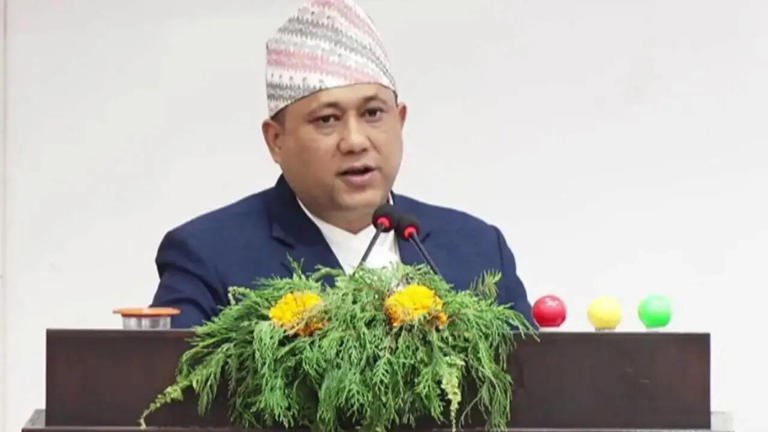
Nepal has firmly rejected the idea of third-party mediation in its border-related issues with India following a political controversy sparked by remarks made by Prime Minister Balen Shah regarding bilateral border matters. The development has reignited discussions on Nepal-India relations, diplomatic engagement, and the long-standing approach both countries have adopted in addressing sensitive territorial concerns.
Nepalese officials have reiterated that any outstanding border issues between the two neighboring countries should be resolved through direct bilateral dialogue and existing diplomatic mechanisms. The government’s position reflects a longstanding policy that disputes involving Nepal and India are best addressed through mutual consultations rather than external intervention.
The controversy surrounding the Prime Minister’s remarks has generated considerable debate within political circles and among foreign policy observers, bringing renewed attention to one of the most sensitive aspects of Nepal-India relations.
Nepal Reaffirms Bilateral Approach
The Nepal government has emphasized that it remains committed to resolving all bilateral issues with India through established diplomatic channels. Officials stated that Nepal does not support the involvement of third-party mediators in matters concerning border management, territorial concerns, or bilateral relations.
According to government representatives, the relationship between Nepal and India is based on historical ties, cultural connections, economic cooperation, and people-to-people interactions. As a result, both countries possess the institutional mechanisms necessary to discuss and address complex issues directly.
The government’s clarification came amid public discussions triggered by comments related to border matters, which drew reactions from political leaders and observers in both countries.
Officials stressed that Nepal’s foreign policy has consistently favored bilateral engagement when dealing with neighboring countries and regional issues.
Controversy Over Border Remarks
The latest debate emerged after remarks attributed to Prime Minister Balen Shah concerning border-related matters attracted widespread attention. The comments reportedly generated political discussion regarding Nepal’s approach to managing sensitive issues involving its southern neighbor.
While reactions varied across political groups, the controversy prompted calls for clarification regarding the government’s official position on border disputes and diplomatic engagement with India.
In response, authorities moved quickly to reaffirm Nepal’s longstanding stance that bilateral mechanisms remain the preferred and most effective avenue for addressing such concerns.
Political analysts noted that statements involving border issues often attract heightened attention due to their implications for national sovereignty, public sentiment, and foreign relations.
The government’s response sought to underscore continuity in policy despite the ongoing debate surrounding the remarks.
Historical Context of Nepal-India Border Issues
Border-related discussions have periodically emerged in Nepal-India relations over the years. While the two countries share close ties and extensive cooperation across multiple sectors, certain territorial issues have occasionally become subjects of diplomatic dialogue.
Successive governments in both countries have generally maintained that these matters should be addressed through consultations, negotiations, and established diplomatic frameworks. Bilateral mechanisms have been utilized to discuss technical, administrative, and territorial issues whenever required.
Experts point out that despite occasional disagreements, Nepal and India have continued to engage constructively on a wide range of issues, including trade, connectivity, energy cooperation, security, and cultural exchange.
The current controversy has once again highlighted the importance of careful diplomatic communication when dealing with sensitive topics related to borders and sovereignty.
Importance of Direct Dialogue
Nepal’s rejection of third-party mediation reflects a broader diplomatic principle emphasizing direct communication between sovereign states. Government officials argue that bilateral dialogue allows both sides to engage more effectively, build trust, and reach mutually acceptable solutions.
Supporters of this approach contend that external mediation can complicate issues that are already being addressed through existing channels. They believe that maintaining direct engagement helps preserve diplomatic flexibility and strengthens bilateral relationships.
Officials have stated that Nepal remains open to constructive discussions with India on all matters of mutual interest and concern. The focus, they emphasized, should remain on dialogue, cooperation, and peaceful resolution of differences.
Foreign policy experts note that direct negotiations often provide greater opportunities for confidence-building and long-term relationship management.
Impact on Nepal-India Relations
The controversy has generated discussion about its potential impact on Nepal-India relations. However, analysts generally believe that the strong foundations of the bilateral relationship are likely to withstand periodic political debates and disagreements.
India and Nepal share deep historical, cultural, religious, and economic connections. Millions of people on both sides of the border maintain close social and familial ties, while trade and economic cooperation continue to play a vital role in bilateral engagement.
Infrastructure projects, energy partnerships, educational exchanges, and tourism initiatives have further strengthened cooperation between the two countries in recent years.
Observers argue that while political controversies may attract attention, broader strategic and developmental interests continue to encourage collaboration and dialogue.
Political Reactions Within Nepal
The issue has also sparked reactions among Nepal’s political parties and civil society groups. Some leaders have welcomed the government’s reaffirmation of bilateral diplomacy, viewing it as a pragmatic and consistent approach to foreign policy.
Others have emphasized the need for careful communication by public officials when addressing matters related to national sovereignty and international relations. They argue that sensitive issues require measured statements that align with official policy positions.
The debate has highlighted the importance of maintaining coherence in foreign policy messaging, particularly on issues that have the potential to influence public opinion and diplomatic relations.
Political observers note that discussions surrounding border issues often resonate strongly with the public, making them significant topics within Nepal’s domestic political landscape.
Regional Diplomacy and Strategic Considerations
The controversy comes at a time when South Asian countries are increasingly focused on regional cooperation, connectivity, and economic development. Stable bilateral relations are viewed as essential for advancing these objectives.
Nepal’s emphasis on direct dialogue with India aligns with broader efforts to maintain constructive engagement with neighboring countries while safeguarding national interests. Officials have stressed that diplomacy should remain guided by mutual respect, sovereign equality, and peaceful negotiation.
Experts believe that continued communication and institutional engagement can help prevent misunderstandings and ensure that differences do not undermine broader cooperation.
The government’s position also reflects a desire to maintain strategic autonomy while pursuing balanced and pragmatic foreign relations.
Looking Ahead
Nepal’s rejection of third-party mediation following the controversy over Prime Minister Balen Shah’s border remarks underscores the country’s commitment to resolving bilateral issues with India through direct diplomatic engagement. By reaffirming its longstanding policy, the government has sought to clarify its position and maintain continuity in foreign affairs.
As discussions surrounding the remarks gradually subside, attention is likely to shift back to broader aspects of Nepal-India relations, including economic cooperation, connectivity projects, energy partnerships, and regional development initiatives.
While border-related issues remain sensitive, both countries have repeatedly demonstrated their willingness to engage through established diplomatic channels. The latest episode serves as a reminder of the importance of careful communication, constructive dialogue, and mutual respect in managing one of South Asia’s most significant bilateral relationships.
Going forward, observers expect Nepal and India to continue relying on direct negotiations and diplomatic mechanisms to address differences while strengthening cooperation across a wide range of sectors. Such an approach is likely to remain central to maintaining stability and fostering long-term partnership between the two neighboring nations.