

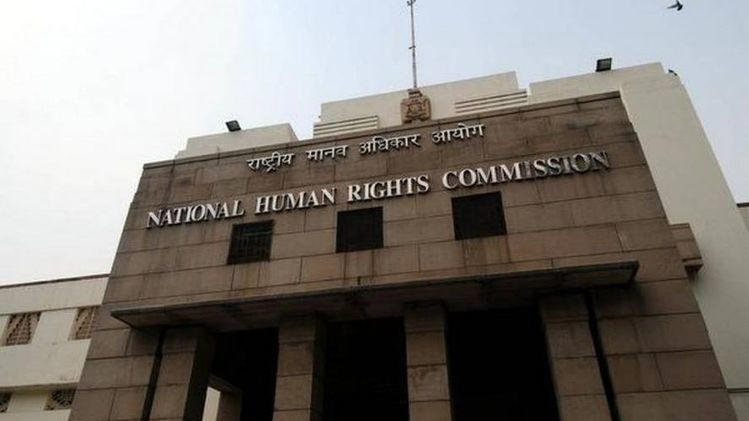
The National Human Rights Commission’s Special Monitor reviewed the implementation and progress of major rural development schemes in Assam’s Kamrup district, with a focus on ensuring that welfare programmes effectively reach people at the grassroots level.
The review examined the performance of key government initiatives and assessed how development programmes are benefiting rural communities. Officials from the district administration and departments linked to rural development took part in the exercise and provided updates on the implementation of various schemes.
The visit highlighted the importance of monitoring welfare programmes and ensuring that government initiatives translate into real improvements in the lives of people living in rural areas.
The Kamrup rural development schemes review also focused on the role of district-level authorities in identifying implementation gaps and taking timely action to improve the delivery of services.
NHRC Special Monitor Reviews Implementation of Schemes
The NHRC Special Monitor assessed the progress of several development and welfare programmes being implemented in Kamrup.
Government schemes are designed to provide support in areas such as housing, employment, sanitation, infrastructure and social welfare. However, their effectiveness often depends on how efficiently authorities implement them at the local level.
The review provided an opportunity for officials to present the progress made under different programmes and discuss the challenges faced during implementation.
The Special Monitor also examined whether the intended benefits of the schemes were reaching eligible people.
Regular monitoring plays an important role in identifying gaps in implementation.
It can also help authorities understand whether people are facing difficulties while accessing government services.
The exercise focused on strengthening accountability and improving the overall delivery of rural welfare programmes.
Focus on Grassroots Development
Rural development remains an important part of Assam’s broader growth strategy.
Villages require reliable infrastructure, employment opportunities and access to essential public services.
Government schemes can help address these needs, particularly for economically weaker and vulnerable sections of society.
The Kamrup rural development schemes are aimed at improving living conditions and supporting economic progress at the grassroots level.
The review focused on whether development efforts were reaching people across different parts of the district.
District administrations play a key role in coordinating the implementation of Central and state government programmes.
They work with local bodies and other departments to ensure that projects move forward according to established guidelines.
The NHRC Special Monitor’s review highlighted the importance of maintaining regular oversight of these efforts.
Officials Present Progress Reports
During the review, district and departmental officials provided updates on the implementation of various rural development programmes.
The discussions covered the progress achieved so far and the steps taken to address challenges.
Officials also highlighted areas where additional efforts may be required.
Review meetings and field assessments can help authorities identify whether projects are progressing as planned.
They can also reveal delays that may affect beneficiaries.
The Special Monitor’s interaction with officials placed attention on the need for timely completion of projects.
Delays in rural development schemes can directly affect communities that depend on government support.
Authorities therefore need to ensure that projects move forward efficiently and that available resources are properly utilised.
Importance of Housing and Basic Infrastructure
Housing and infrastructure remain important components of rural development.
Many government programmes focus on providing safe housing and improving access to roads, electricity and sanitation.
Better infrastructure can improve the daily lives of people living in rural areas.
Road connectivity can help farmers and small businesses access markets.
It can also make schools and healthcare facilities more accessible.
Safe housing can provide greater security for economically weaker families.
The review of Kamrup rural development schemes highlighted the importance of ensuring that such benefits reach eligible households.
Authorities must also monitor the quality of projects and ensure that public funds are used responsibly.
Employment and Livelihood Opportunities
Employment generation is another important part of rural development.
Many families depend on agriculture and related activities for their livelihoods.
Government programmes can provide employment support and help communities develop alternative sources of income.
Skill development and self-employment initiatives can also create new opportunities.
The review examined the broader impact of welfare programmes on rural communities.
A successful development strategy should not only provide temporary assistance.
It should also create opportunities for people to improve their long-term economic condition.
Supporting rural entrepreneurship and small businesses can contribute to local economic growth.
Better connectivity and infrastructure can further strengthen these efforts.
Ensuring Benefits Reach Eligible People
One of the main objectives of monitoring welfare programmes is to ensure that eligible beneficiaries receive assistance.
People in rural areas may sometimes face difficulties because of a lack of information, documentation problems or delays in the administrative process.
Authorities need to identify and address such challenges.
The NHRC review focused on the importance of effective implementation and beneficiary outreach.
Government schemes can achieve their intended goals only when people are aware of them and can access them without unnecessary obstacles.
Officials may therefore need to strengthen communication at the village level.
Local bodies and community representatives can play an important role in spreading awareness about available programmes.
Monitoring Can Improve Accountability
Regular reviews can improve accountability within government departments.
Officials responsible for implementing schemes can use these assessments to identify areas where performance needs improvement.
The presence of an NHRC Special Monitor also adds an additional level of oversight.
The review can encourage authorities to focus on the rights and welfare of people who depend on public services.
Accountability is particularly important in rural development because projects often involve large numbers of beneficiaries and substantial public resources.
Proper monitoring can help ensure that funds are used for their intended purpose.
It can also help authorities identify irregularities or implementation gaps at an early stage.
Challenges in Rural Development
Despite progress under various welfare programmes, rural development continues to face challenges.
Remote locations can make it difficult to implement infrastructure projects.
Seasonal weather conditions may also affect construction and connectivity.
Administrative delays and coordination problems can create additional obstacles.
Assam’s geography and environmental conditions often require authorities to adopt flexible approaches to development.
Floods and other natural events can damage infrastructure and affect communities.
The Kamrup rural development schemes must therefore be implemented with local conditions in mind.
Long-term planning and regular monitoring can help authorities respond to these challenges.
Human Rights and Development
The involvement of the NHRC in reviewing development programmes highlights the connection between human rights and access to essential services.
Adequate housing, employment opportunities and basic infrastructure can have a direct impact on people’s quality of life.
Government welfare programmes can help support vulnerable communities and reduce inequality.
Monitoring their implementation can therefore contribute to the protection and promotion of people’s rights.
The review in Kamrup highlighted the need to ensure that development reaches communities at the grassroots level.
Economic growth becomes more meaningful when its benefits are shared across different sections of society.
Rural welfare programmes play an important role in achieving this objective.
Strengthening Coordination at the District Level
Effective coordination between different government departments remains essential for successful implementation.
Rural development often involves multiple agencies responsible for housing, infrastructure, employment and welfare.
District administrations need to bring these efforts together.
The review provided an opportunity for officials to discuss coordination and identify areas that require greater attention.
A more integrated approach can reduce duplication and help projects move forward faster.
Regular communication between departments can also help authorities address problems before they cause major delays.
The NHRC Special Monitor’s assessment highlighted the importance of coordinated action at the local level.
Looking Ahead
The NHRC Special Monitor’s review of rural development schemes in Assam’s Kamrup district placed focus on effective implementation, accountability and the need to ensure that welfare benefits reach eligible people.
Officials presented updates on the progress of various programmes and discussed the challenges involved in delivering services at the grassroots level.
The review of Kamrup rural development schemes also underlined the importance of housing, infrastructure, employment and other initiatives that can improve the quality of life in rural communities.
Regular monitoring and stronger coordination among government departments can help improve the effectiveness of these programmes.
As Assam continues to focus on rural development, the success of welfare initiatives will depend on their implementation on the ground.
The NHRC’s involvement adds greater attention to accountability and the rights of beneficiaries.
The review is expected to support efforts to identify gaps, improve delivery and ensure that development programmes create meaningful benefits for people across rural areas of Kamrup.