

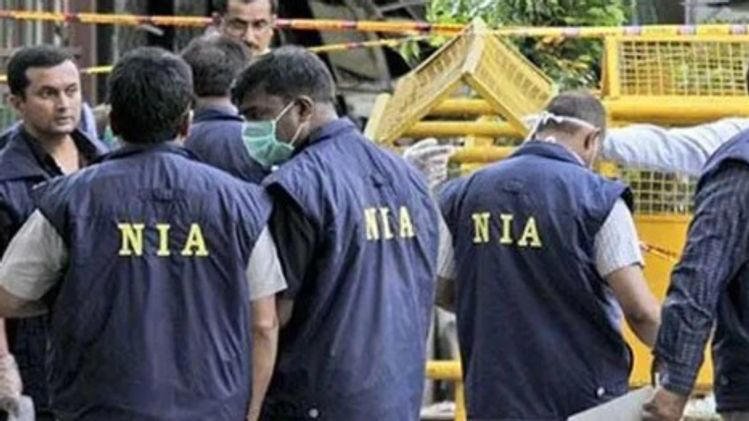
The National Investigation Agency (NIA) has chargesheeted 11 individuals for allegedly attempting to expand the network of a banned terrorist organisation across Assam, Tripura, and West Bengal. According to the central agency, the accused were allegedly involved in activities aimed at strengthening the organisation’s presence through recruitment, logistical support, and the creation of local networks in different parts of eastern and northeastern India.
The chargesheet marks a significant development in the investigation, which has focused on dismantling alleged terror modules and preventing extremist organisations from extending their influence in strategically important regions. Officials stated that the case is part of the agency’s broader efforts to identify individuals allegedly involved in supporting or facilitating the activities of banned organisations and to ensure that those responsible are brought before the law.
The NIA emphasized that the investigation is continuing and that further legal action may follow if additional evidence emerges.
Charges Filed After Detailed Investigation
According to the investigation agency, the chargesheet was filed after an extensive inquiry involving the examination of digital evidence, financial records, communication data, witness statements, and other materials collected during the course of the investigation.
Officials stated that investigators sought to establish the alleged roles of each accused before filing the chargesheet before the designated court.
The NIA said the accused allegedly worked in coordination to strengthen the organisational structure of the banned group by expanding its support base and establishing operational networks across multiple states.
The allegations outlined in the chargesheet will now be examined through the judicial process, and the accused are entitled to defend themselves in court.
Alleged Expansion Across Multiple States
The investigation indicates that the alleged activities were not confined to a single state but extended across Assam, Tripura, and West Bengal.
According to the NIA, the accused allegedly attempted to create a broader network capable of supporting the objectives of the banned organisation through coordinated activities in different locations.
Officials believe that interstate coordination among law enforcement agencies remains essential when investigating cases involving alleged organised extremist networks that operate across administrative boundaries.
The agency noted that such investigations require continuous information sharing and cooperation among multiple security and intelligence agencies.
Focus on Recruitment and Organisational Growth
Investigators have alleged that one of the primary objectives of the accused was to facilitate the expansion of the banned organisation by identifying and recruiting new members.
According to the chargesheet, the accused allegedly attempted to establish contacts and build support structures capable of sustaining the organisation’s activities over time.
Authorities stated that preventing recruitment remains one of the most important components of counter-terrorism efforts, as disrupting organisational expansion helps reduce the operational capabilities of extremist groups.
Officials added that law enforcement agencies continue to monitor attempts by banned organisations to attract new members through both physical and digital means.
Evidence Gathered During Investigation
The NIA stated that investigators collected various forms of evidence during the inquiry, including electronic devices, digital communications, financial records, and documentary material that are alleged to support the prosecution’s case.
Forensic analysis and technical examination formed an important part of the investigation, enabling officials to trace communication patterns and verify relevant information.
Authorities also worked with multiple agencies to corroborate evidence before filing the chargesheet.
The material presented by the prosecution will be evaluated by the court during the legal proceedings in accordance with applicable laws.
Importance of Inter-Agency Coordination
The investigation highlights the importance of close coordination between central investigative agencies, state police forces, and intelligence organisations.
Officials stated that cooperation among agencies enables the timely exchange of information, joint operations, and more effective responses to potential security threats.
Security agencies across Assam, Tripura, and West Bengal have continued to strengthen surveillance and intelligence-sharing mechanisms to identify suspicious activities and prevent the formation of unlawful networks.
Such coordinated efforts are regarded as an important element of India’s broader national security framework.
Counter-Terrorism Measures Continue
The filing of the chargesheet reflects the continuing efforts of investigative agencies to combat terrorism and unlawful activities through legal and institutional mechanisms.
Authorities have reiterated that counter-terrorism operations involve not only arrests and investigations but also intelligence gathering, financial monitoring, cyber surveillance, and preventive policing.
Officials noted that early detection of alleged extremist activities can help prevent larger security threats while protecting public safety.
The government has continued to strengthen institutional capacity by enhancing investigative resources, forensic capabilities, and inter-agency cooperation.
Legal Process to Follow
With the filing of the chargesheet, the case will now proceed through the judicial process. The prosecution will present its evidence before the designated court, while the accused will have the opportunity to contest the allegations and present their defence.
Under Indian law, the filing of a chargesheet does not establish guilt. The allegations must be proved in court, and all accused are presumed innocent unless proven guilty through due process.
Legal proceedings are expected to examine the evidence presented by investigators before determining the outcome of the case.
Strengthening Regional Security
The case has also drawn attention to the importance of maintaining security across India’s eastern and northeastern states, which share strategic borders and require continuous monitoring against organised criminal and extremist activities.
Authorities continue to enhance border management, intelligence coordination, and surveillance systems while working closely with local police and community stakeholders.
Officials believe that strong institutional cooperation and public vigilance contribute significantly to maintaining peace and preventing unlawful activities.
The emphasis remains on ensuring that security measures are implemented within the framework of the law while safeguarding the rights of citizens.
Conclusion
The NIA’s decision to chargesheet 11 individuals for allegedly attempting to expand the network of a banned terrorist organisation across Assam, Tripura, and West Bengal marks a significant stage in the ongoing investigation. According to the agency, the accused were allegedly involved in efforts related to recruitment, organisational expansion, and logistical support, though these allegations will ultimately be tested in court.
As the legal proceedings move forward, the case underscores the importance of coordinated investigations, intelligence-sharing, and adherence to due process in addressing national security concerns. Authorities maintain that continued vigilance, effective law enforcement, and inter-agency collaboration remain essential to preventing extremist networks from gaining a foothold while ensuring that justice is administered through the judicial system.