

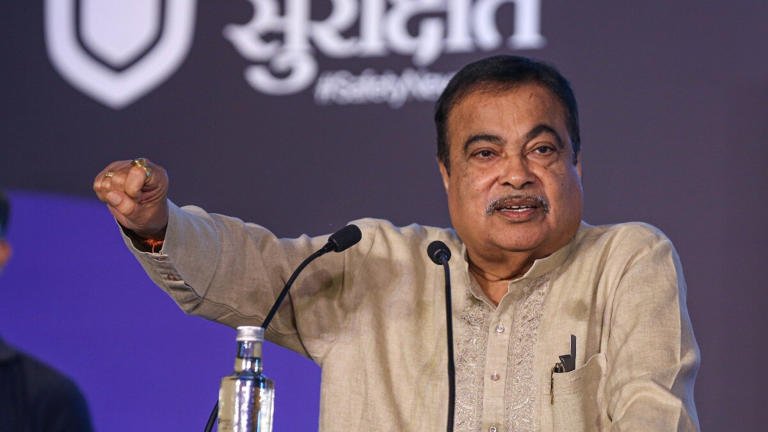
Union Road Transport and Highways Minister Nitin Gadkari has approached the high court against a series of social media posts that allegedly linked him and members of his family to financial gains from the promotion of E20 fuel. The legal move comes amid growing public debate over claims circulating online regarding the ethanol-blended fuel policy.
According to reports, Gadkari has sought judicial intervention against what he considers false, misleading, and defamatory content shared on social media platforms.
Petition seeks action over alleged defamatory claims
In his petition before the high court, Gadkari has challenged posts that allegedly suggested he or his family stood to benefit financially from the government’s push for E20 fuel. The minister has reportedly argued that the claims are baseless and have the potential to damage his personal and professional reputation.
The petition seeks appropriate legal remedies against the circulation of the disputed content and calls for action to prevent the continued spread of what has been described as misleading information.
E20 policy at the centre of controversy
The controversy revolves around India’s E20 fuel programme, which promotes petrol blended with 20 per cent ethanol as part of the country’s efforts to reduce dependence on imported crude oil, improve energy security, and lower vehicle emissions.
While the policy has received support from industry stakeholders and policymakers, it has also attracted criticism and political scrutiny, leading to claims and counterclaims on social media regarding its implementation and beneficiaries.
The disputed posts emerged against this backdrop, prompting the minister to seek legal recourse.
Gadkari rejects allegations
The petition reportedly states that the allegations linking Gadkari and his family to personal financial gains from the E20 initiative are false and unsupported by evidence.
The minister has maintained that the social media posts present misleading information that could influence public perception and undermine confidence in public institutions.
His legal action underscores the importance of addressing unverified allegations through established judicial processes.
Case highlights concerns over online misinformation
The matter has once again drawn attention to the growing challenge of misinformation on digital platforms, where unverified claims can rapidly reach large audiences.
Legal experts note that public figures increasingly rely on judicial remedies when they believe false online content has caused reputational harm. Courts are often called upon to balance the right to freedom of expression with the protection of individual reputation.
The outcome of the case may contribute to the evolving legal discourse surrounding online accountability.
Debate over public discourse and accountability
The petition has sparked discussion about responsible communication on social media, particularly when allegations involve public officials and government policies.
Observers say that while democratic debate and criticism remain essential, factual accuracy and evidence are equally important in maintaining informed public discourse.
The case also highlights the role of the judiciary in resolving disputes arising from contested claims made in the digital space.
High court to examine petition
The high court is expected to consider the petition and hear arguments from the concerned parties before deciding on the relief sought by the minister.
Depending on the proceedings, the court may examine the nature of the disputed posts, the evidence presented, and the legal issues relating to defamation, online publication, and the protection of reputation.
Further developments will depend on the court’s consideration of the matter.
Legal action follows circulation of E20-related claims
Nitin Gadkari’s decision to approach the high court marks a significant legal response to social media posts linking him and his family to alleged financial gains from the E20 fuel policy. By seeking judicial intervention, the Union minister has challenged the veracity of the claims and underscored the importance of addressing disputed allegations through legal channels.
As the case proceeds, it is expected to contribute to broader discussions on online misinformation, accountability, and the legal safeguards available to individuals who believe they have been defamed through digital platforms.