

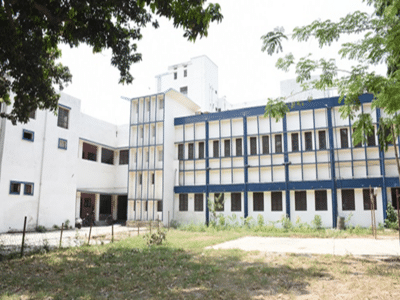
The Bihar government is set to undertake a significant restructuring of the state’s higher education system by separating more than 500 undergraduate colleges from their affiliated universities and bringing them under direct government control. The proposed move is aimed at improving administrative efficiency, strengthening governance, and enhancing the overall quality of undergraduate education across the state.
According to officials, the restructuring is expected to streamline the management of government colleges while allowing universities to focus more effectively on academic planning, postgraduate education, research, examinations, and institutional development.
The proposal marks one of the most significant reforms in Bihar’s higher education sector in recent years.
Government to Assume Administrative Control
Under the proposed framework, the state government will assume direct administrative responsibility for the undergraduate colleges currently functioning under various state universities.
Officials said the move is intended to simplify governance by reducing administrative complexities arising from the existing affiliation system. Direct government oversight is expected to facilitate quicker decision-making regarding staffing, infrastructure development, financial management, and institutional administration.
The universities, meanwhile, are likely to continue their academic responsibilities as defined under the revised administrative structure, although detailed operational guidelines are expected to be issued separately.
The government believes the new arrangement will improve institutional accountability and administrative efficiency.
Universities to Focus on Academic Excellence
Following the proposed restructuring, universities are expected to devote greater attention to their core academic responsibilities.
Officials indicated that universities would be able to concentrate more effectively on postgraduate education, doctoral research, curriculum development, academic innovation, faculty development, and examination reforms without the extensive administrative burden associated with managing hundreds of affiliated undergraduate colleges.
The separation is expected to strengthen the academic role of universities while allowing government colleges to receive more focused administrative attention.
Education experts believe such structural reforms can improve institutional efficiency when supported by effective implementation.
Objective Is Better Governance
The Bihar government has indicated that the proposed reform aims to create a more responsive and transparent higher education administration.
Officials believe that direct government control will enable faster implementation of policies, improved financial oversight, better infrastructure planning, and more efficient management of teaching and non-teaching staff.
The restructuring is also expected to strengthen coordination between colleges and the Higher Education Department, enabling quicker responses to administrative requirements and institutional needs.
Authorities maintain that improved governance will ultimately benefit students through more efficient functioning of educational institutions.
Strengthening Undergraduate Education
The proposed reform places considerable emphasis on improving the quality of undergraduate education throughout Bihar.
Government officials stated that strengthening administrative systems can contribute to better classroom infrastructure, timely recruitment of faculty, improved student services, and more effective implementation of academic programmes.
The government also expects that greater institutional autonomy in administrative matters will allow colleges to respond more efficiently to local educational needs while maintaining academic standards prescribed by the universities and regulatory authorities.
Enhancing the learning environment for undergraduate students remains one of the key objectives of the proposed restructuring.
Administrative Reforms Expected to Improve Efficiency
Officials believe that separating undergraduate colleges from university administration will reduce delays in routine administrative processes.
Matters related to appointments, maintenance, infrastructure development, financial approvals, procurement, and institutional management may be handled more efficiently under the proposed system.
The government expects that simplified administrative procedures will improve service delivery while enabling colleges to address operational challenges more quickly.
At the same time, universities would have greater capacity to strengthen research, innovation, academic collaborations, and curriculum development.
The reform seeks to establish a clearer division between academic and administrative responsibilities.
Focus on Institutional Development
The Bihar government has reiterated its commitment to modernising higher education through institutional reforms and increased investment.
Officials stated that improving infrastructure, digital education, laboratory facilities, libraries, faculty development, and student support services remains an important priority. Direct administrative control is expected to facilitate more effective implementation of development projects across government colleges.
The restructuring also aligns with broader efforts to improve governance, transparency, and accountability within the state’s education sector.
Authorities believe that stronger institutional management can contribute to improved educational outcomes over the long term.
Reform Aims to Enhance Higher Education Ecosystem
The proposed separation of more than 500 undergraduate colleges reflects Bihar’s broader vision of strengthening its higher education ecosystem.
By allowing universities to focus on academic excellence while assigning administrative responsibilities directly to the government, policymakers hope to create a more balanced and efficient institutional framework.
Education officials believe the reform has the potential to improve governance, enhance educational quality, accelerate infrastructure development, and create a more student-centric higher education system.
As the Bihar government moves forward with the proposed restructuring, stakeholders across the education sector will closely monitor its implementation and long-term impact. If successfully executed, the reform could significantly reshape the administration of undergraduate education in the state by improving governance, strengthening universities’ academic role, and creating a more efficient system focused on delivering quality education to students across Bihar.