

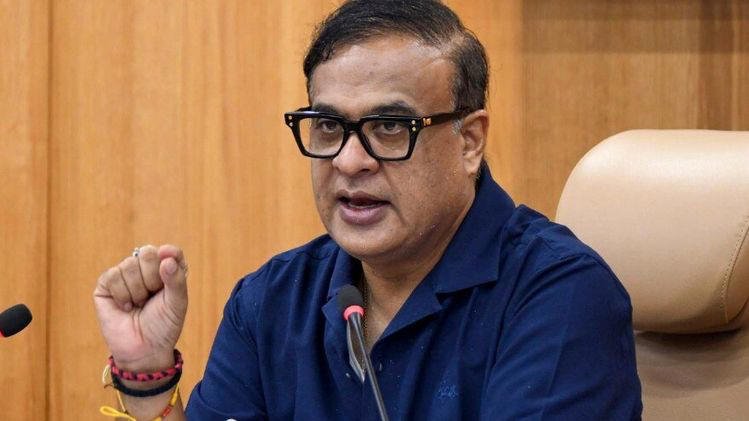
Assam Chief Minister Himanta Biswa Sarma has said that the peace accord signed to bring stability to Karbi Anglong has accelerated development across the hill district. He said the agreement created a more peaceful environment and helped the government push ahead with infrastructure, welfare and economic initiatives.
Sarma highlighted the transformation of Karbi Anglong while speaking about the impact of the peace process. He said peace had created the foundation for faster development and improved connectivity in the region.
According to the Chief Minister, the reduction in violence and instability allowed government agencies to focus more effectively on development projects. Roads, public infrastructure, education, healthcare and other sectors have received greater attention during the period following the peace accord.
The Karbi Anglong peace accord also encouraged greater cooperation between the government and local communities. Sarma said sustained peace has played a key role in creating confidence and opening new opportunities for the people of the region.
The Chief Minister’s remarks highlighted the wider importance of peace agreements in supporting long-term development in Assam’s hill areas.
Peace Accord Created a Foundation for Development
Himanta Biswa Sarma said the peace accord brought an important change to Karbi Anglong.
Before the agreement, the region had faced periods of insurgency and instability. These conditions affected development and made it difficult to implement projects in several areas.
Peace created a more stable environment for government programmes.
Sarma said the improved situation allowed the administration to focus on development instead of responding constantly to security challenges.
The government could then increase its attention on infrastructure and public services.
A peaceful environment also encouraged greater participation from local communities.
People could engage more actively with government programmes and development projects. Better coordination helped authorities identify local needs and implement initiatives.
The Chief Minister said the benefits of the peace process can be seen in the pace of development across Karbi Anglong.
Peace, according to him, remains one of the most important conditions for sustained economic and social progress.
Karbi Anglong Peace Accord Strengthened Stability
The peace accord aimed to bring armed groups into the mainstream and create conditions for lasting stability.
Such agreements can reduce conflict by encouraging dialogue and political participation.
The Karbi Anglong peace process focused on addressing longstanding issues through negotiations and democratic mechanisms.
The improved security environment helped the government expand development work.
Officials could travel more freely to different areas and monitor projects more effectively.
Construction activity also became easier in areas where instability had earlier created difficulties.
Sarma said stability has created a stronger foundation for future growth.
He stressed that peace should not be seen only as the absence of conflict.
Peace can also create opportunities for education, employment, business and social development.
The Karbi Anglong peace accord development process has therefore become an important example of how stability can support broader government initiatives.
Infrastructure Development Gains Momentum
Infrastructure development has become a major focus in Karbi Anglong.
Better roads and transport connections can improve access to markets, schools and healthcare facilities.
Connectivity can also help remote communities participate more actively in the wider economy.
The government has continued to focus on improving infrastructure across Assam’s hill districts.
Sarma said the peaceful environment has made it easier to implement projects and maintain public infrastructure.
Road development can support tourism, agriculture and small businesses.
Improved connectivity can also reduce travel time and make essential services more accessible.
Public infrastructure remains important for attracting investment.
Businesses often consider transport and communication facilities before establishing operations in new areas.
The government’s development initiatives therefore aim to strengthen both social infrastructure and economic opportunities.
The Chief Minister said the progress seen after the peace accord demonstrates the close relationship between peace and development.
Greater Focus on Education and Healthcare
Development efforts in Karbi Anglong also include education and healthcare.
Access to quality schools and healthcare services remains important for communities living in remote and hilly areas.
The government has worked to strengthen public services and improve access to essential facilities.
A peaceful environment makes it easier for teachers, healthcare workers and other professionals to serve communities.
It also helps the government build and maintain public facilities.
Children and young people can benefit when educational institutions operate without disruption.
Improved education can create new opportunities for employment and skill development.
Healthcare infrastructure also plays an important role in improving quality of life.
Communities need access to hospitals, health centres and emergency services.
The government’s broader development strategy seeks to improve these services across Karbi Anglong.
Peace Opens New Economic Opportunities
Peace can also support economic growth by improving confidence among investors and entrepreneurs.
Businesses are more likely to invest in areas that offer stability and reliable infrastructure.
The Karbi Anglong region has potential in agriculture, tourism and small-scale industries.
Its natural landscapes and cultural diversity can attract visitors.
However, tourism development requires good roads, accommodation and a safe environment.
The Chief Minister said the peace accord has helped create better conditions for such growth.
Young people can benefit from new opportunities in tourism, entrepreneurship and other sectors.
Government programmes can also support skill development and employment.
Economic opportunities remain important for ensuring that the benefits of peace reach local communities.
Development must create visible improvements in people’s daily lives.
The government therefore continues to focus on projects that can strengthen livelihoods and increase economic participation.
Karbi Anglong’s Cultural and Natural Potential
Karbi Anglong has a rich cultural identity and significant natural resources.
The region’s traditions, festivals and communities form an important part of Assam’s cultural diversity.
Its hills and forests also offer potential for responsible tourism.
The government has highlighted tourism as a sector that can support local employment.
A peaceful environment can make it easier to promote the region as a destination.
Improved infrastructure can further support tourism development.
However, development plans must also protect the region’s environment and cultural heritage.
Sustainable tourism can help communities benefit while preserving natural resources.
The peace accord has created conditions that allow the government and local stakeholders to explore such opportunities with greater confidence.
Government Highlights Importance of Continued Peace
Himanta Biswa Sarma stressed that maintaining peace remains essential for continued progress.
Development projects require time and sustained administrative attention.
Any return to instability could affect infrastructure, investment and public confidence.
The government therefore wants to preserve the gains achieved through the peace process.
Continued dialogue and cooperation remain important.
The participation of local communities can help ensure that development projects respond to local priorities.
Sarma said the transformation of Karbi Anglong demonstrates what can happen when peace and development move together.
The government aims to build on the progress achieved since the peace accord.
Peace Accord Supports Long-Term Growth
The Karbi Anglong peace accord development process has created a stronger foundation for long-term growth.
Peace has allowed the government to focus more consistently on infrastructure and public services.
It has also created opportunities for economic activity.
However, long-term development will require continued investment and planning.
Infrastructure needs maintenance and expansion.
Young people need access to education and employment.
Communities also need reliable healthcare and other essential services.
The government will therefore need to continue its efforts to ensure that development reaches both urban centres and remote villages.
The benefits of peace must also remain inclusive.
Different communities and regions should have opportunities to participate in the development process.
Karbi Anglong Moves Forward With Peace and Development
Chief Minister Himanta Biswa Sarma’s remarks have highlighted the important role of the peace accord in accelerating development in Karbi Anglong.
The agreement helped create a more stable environment and allowed the government to focus more strongly on infrastructure, public services and economic opportunities.
The progress made in recent years demonstrates the potential benefits of sustained peace.
Karbi Anglong now has opportunities to strengthen tourism, improve connectivity and expand employment.
The region can also build on its cultural diversity and natural resources.
The Chief Minister has made it clear that the government wants to continue this development journey.
For Karbi Anglong, the peace accord remains an important turning point.
It created conditions for greater stability and faster development.
As the region moves forward, continued peace and effective development planning will remain essential for ensuring long-term growth and improving the lives of people across Assam’s hill district.