

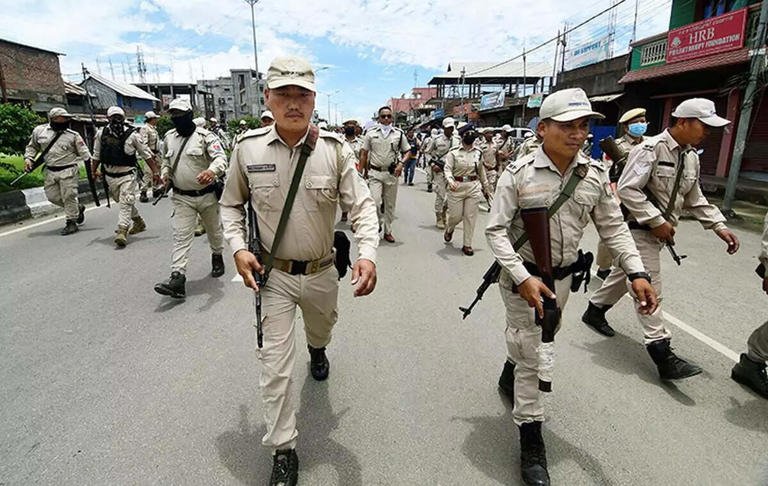
Manipur has witnessed decades of unrest, with ethnic groups divided by cultural, political, and economic grievances. The newly signed Manipur peace agreement now stands as a landmark initiative aimed at resolving these differences and ushering in long-awaited harmony. Leaders from community groups, along with state and central representatives, have expressed optimism that this agreement could be the beginning of a new chapter for Manipur.
The Background of the Manipur Conflict
For many years, Manipur has been shaped by its ethnic diversity, which, while culturally rich, has also fueled deep-seated mistrust. Periodic clashes between communities led to violence, displacement, and instability. Families were uprooted, villages torn apart, and development in many areas stalled due to recurring conflicts.
Previous efforts at peace failed because they did not address the underlying causes of the conflict. The absence of long-term solutions created a cycle of violence. This time, however, the Manipur peace agreement is built on inclusivity, dialogue, and sustainable growth. By prioritizing every group’s concerns, the deal aims to stop hostilities and restore trust.
Read More: 12 Powerful Foods That Help Control Blood Sugar Levels Naturally
Core Features of the Peace Agreement
The agreement includes several key components designed to address both immediate and long-term challenges:
- Dialogue committees: These bodies include representatives from major ethnic groups, ensuring all communities can voice their concerns. Their role is to maintain open communication and prevent escalation of disputes.
- Development initiatives: The Manipur peace agreement emphasizes infrastructure, healthcare, and education projects in conflict-hit regions. Access to jobs and better facilities is expected to reduce social divides.
- Cultural recognition: The agreement acknowledges the traditions and identities of every group, ensuring no culture feels marginalized. By honoring heritage, the framework strengthens unity.
- Transparency mechanisms: Regular monitoring and reporting systems are built into the deal to prevent misunderstandings and ensure promises are kept.
Together, these measures create a roadmap not just for peace, but also for inclusive progress.
Community and Political Reactions
The signing of the Manipur peace agreement has been welcomed with a sense of cautious hope. Community leaders, who once held opposing views, have shown readiness to compromise. Civil society organizations and youth groups describe the agreement as a turning point.
Political leaders have echoed this sentiment. Many hailed it as a demonstration of cooperation between state and central governments. They believe the agreement proves that dialogue, rather than force, is the most effective tool for reconciliation. However, leaders also warned that successful implementation will require commitment and patience from all sides.
Challenges Facing Implementation
While optimism is high, significant challenges remain. Years of mistrust cannot vanish overnight. The risk of sporadic violence still exists, especially if some groups feel excluded from benefits. In addition, political interests could disrupt the process if transparency is not maintained.
To counter these risks, the Manipur peace agreement focuses on community participation. Citizens are encouraged to join reconciliation activities and prioritize dialogue over conflict. Grassroots organizations, women’s groups, and youth-led movements are expected to play an important role in building trust.
Experts argue that long-term success depends on fairness. If all groups see real development and equal opportunities, they will be less likely to return to conflict.
Pathways Toward Lasting Peace
For Manipur, peace means more than just the absence of violence. It represents a future where communities live without fear, children can access education, and economic growth benefits everyone. The Manipur peace agreement is designed to create such conditions.
Additionally, its success could inspire similar peace-building efforts across the Northeast. Other states with histories of ethnic tension may look to Manipur’s model, drawing lessons on the importance of inclusivity and shared development.
Building peace will also require strengthening law enforcement and creating safe spaces for dialogue. When communities trust both governance and each other, reconciliation becomes more permanent.
Social and Economic Benefits
The potential benefits of the Manipur peace agreement extend beyond stability. Peace will attract investment, boost tourism, and create employment opportunities. With improved security, infrastructure projects will progress faster, bringing roads, schools, and healthcare facilities to remote regions.
Cultural harmony will also thrive. Festivals and traditions celebrated openly across communities can help heal old wounds. A more united Manipur could emerge, proud of its diversity and committed to shared prosperity.
The signing of the Manipur peace agreement marks a decisive moment in the state’s long struggle with ethnic tensions. Unlike earlier attempts, this agreement emphasizes inclusivity, development, and transparency. It has opened the door to reconciliation, but the journey ahead will demand consistency and cooperation.
While challenges remain, the optimism shown by communities and leaders offers hope. If implemented with sincerity, the agreement can bring not just stability, but also growth and cultural unity. For the people of Manipur, this peace initiative is more than a document — it is the foundation of a brighter, more harmonious future.
Read More: Tripura Assistant Professor Recruitment 2025 Stuck in Delay, Aspirants Demand Clarity from TPSC