

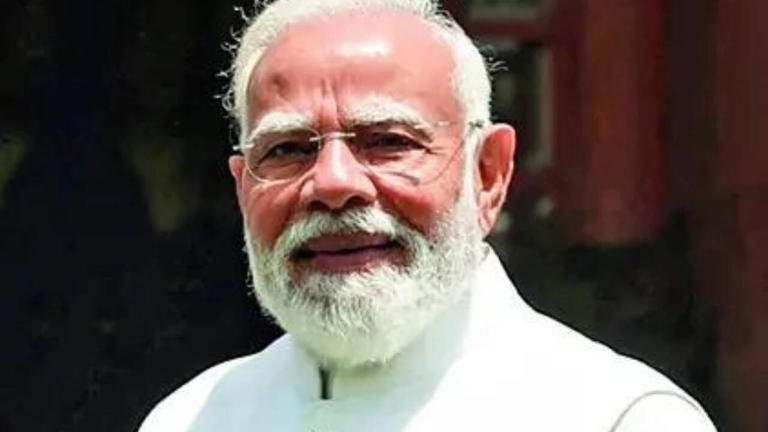
Prime Minister Narendra Modi has reportedly advised Union ministers to “practise what they preach” by adopting carpooling and setting examples in promoting sustainable and environmentally responsible transport habits.
According to sources, the Prime Minister made the remarks during a recent meeting where discussions included environmental responsibility, fuel conservation, traffic management, and public awareness regarding sustainable lifestyles.
Officials said Modi encouraged ministers and senior government functionaries to actively support behavioural changes that can help reduce traffic congestion, fuel consumption, and pollution levels in major cities.
The Prime Minister reportedly stressed that public representatives should lead by example in promoting environmentally conscious practices.
PM Emphasises Sustainable Lifestyle
Sources said Modi highlighted the importance of adopting sustainable habits not only through policy decisions but also through personal conduct.
The Prime Minister has repeatedly spoken about environmental protection, lifestyle changes, and responsible resource consumption in national and international forums.
Officials said the latest remarks regarding carpooling align with the government’s broader focus on sustainable development and climate-conscious governance.
The Prime Minister reportedly told ministers that symbolic actions by public leaders can influence public behaviour and encourage wider participation in environmental initiatives.
He also stressed that reducing unnecessary vehicle usage can contribute positively to urban mobility and pollution control.
Carpooling Seen as Practical Step
Carpooling has increasingly gained attention as a practical solution for reducing traffic congestion, fuel consumption, and vehicular emissions in densely populated cities.
Experts believe shared transportation can lower the number of vehicles on roads and improve traffic flow during peak hours.
Officials said the Prime Minister encouraged ministers to consider carpooling for meetings, parliamentary sessions, and official engagements whenever feasible.
Authorities believe such practices can send a strong public message regarding fuel conservation and sustainable living.
Environmental experts have long promoted carpooling as a cost-effective and eco-friendly transportation measure.
Government Promotes Green Mobility
The Centre has intensified focus on sustainable transportation and green mobility in recent years.
Initiatives related to electric vehicles, public transport expansion, ethanol blending, renewable energy, and fuel efficiency have become important parts of government policy.
Officials said the Prime Minister’s remarks reflect the administration’s effort to encourage behavioural change alongside infrastructure and policy reforms.
The government has repeatedly urged citizens to adopt environmentally friendly habits and reduce carbon emissions.
Authorities also continue promoting electric buses, metro rail systems, cycling infrastructure, and alternative fuels across different states.
Modi Frequently Speaks on Lifestyle Changes
Prime Minister Modi has often highlighted the importance of lifestyle transformation in addressing environmental and climate-related challenges.
He has promoted concepts such as “Lifestyle for Environment” or LiFE, which encourage individuals and communities to adopt sustainable habits in daily life.
Officials said the Prime Minister believes climate action should involve both government policies and individual responsibility.
The carpooling suggestion to ministers reportedly formed part of this broader message regarding environmentally conscious governance.
Political observers noted that Modi frequently links public policy with behavioural examples from leadership figures.
Urban Congestion and Pollution Remain Major Concerns
Indian cities continue facing severe traffic congestion and rising air pollution levels because of rapid urbanisation and increasing vehicle numbers.
Experts said reducing private vehicle dependency remains essential for improving urban mobility and environmental conditions.
Carpooling, public transportation, and electric mobility are often viewed as important strategies for addressing these challenges.
Officials stated that government leaders adopting such practices can improve public awareness and encourage wider acceptance of sustainable transportation methods.
The Centre and state governments have already invested heavily in metro rail networks, electric mobility infrastructure, and public transport modernisation.
Ministers Encouraged to Lead by Example
Sources indicated that Modi stressed the importance of credibility while promoting environmental awareness campaigns.
The Prime Minister reportedly said public leaders should follow the same practices they recommend to citizens.
Officials noted that symbolic behavioural changes by ministers could strengthen public trust and increase awareness regarding environmental responsibility.
The message also aligns with the government’s repeated calls for fuel conservation and reduction of unnecessary expenditure.
Political observers said the remarks reflected Modi’s emphasis on disciplined governance and public accountability.
Environmental Awareness Gains Importance
Climate change, pollution, and environmental sustainability have become increasingly important issues in national and global policymaking.
Governments worldwide are encouraging citizens to adopt greener lifestyles and reduce dependence on fossil fuels.
India has also expanded efforts related to renewable energy, green hydrogen, electric vehicles, and sustainable urban planning.
Officials said behavioural initiatives such as carpooling complement broader infrastructure and climate strategies.
Experts believe long-term environmental improvement requires both technological advancement and lifestyle changes.
Public Transport and Shared Mobility in Focus
The government has increasingly promoted public transport systems and shared mobility solutions in urban planning discussions.
Metro rail expansion, electric buses, app-based shared transport services, and non-motorised transport projects have gained attention in recent years.
Authorities believe reducing single-passenger vehicle use can improve traffic conditions and reduce emissions significantly.
Experts said carpooling can serve as a simple but effective step toward more sustainable urban transport systems.
Officials added that leadership participation in such initiatives could strengthen public engagement.
Message Reflects Broader Governance Approach
Political analysts said Modi’s advice to ministers reflects his broader governance style, which often combines symbolic messaging with policy objectives.
The Prime Minister has frequently encouraged ministers and officials to adopt practices demonstrating discipline, simplicity, and public responsibility.
Observers noted that environmental messaging has become increasingly central to India’s domestic and international policy positioning.
The latest remarks also highlight the government’s continued emphasis on climate-conscious governance and sustainable development.
Sustainable Habits Likely to Receive More Attention
Experts believe discussions regarding sustainable transport habits and environmental responsibility will continue gaining importance in policymaking.
Urban congestion, fuel prices, pollution, and climate concerns are likely to keep transportation reforms at the centre of public debate.
Officials said the government would continue promoting awareness regarding fuel conservation and sustainable living practices.
Meanwhile, Modi’s advice to ministers to “practise what they preach” through carpooling has reinforced the Centre’s message that environmental responsibility should begin with individual action and leadership by example.