

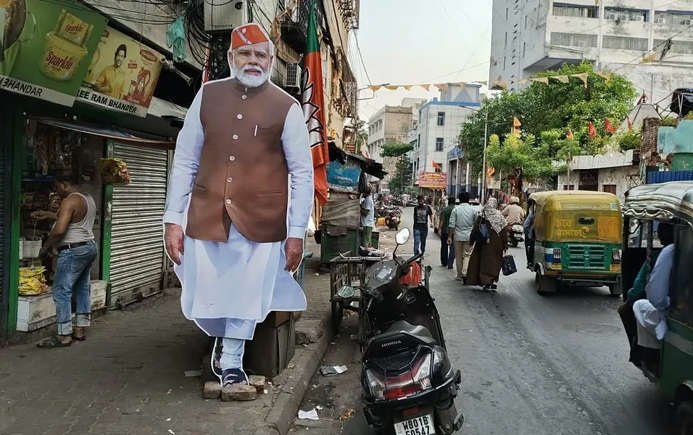
Prime Minister Narendra Modi chaired a crucial meeting of senior Bharatiya Janata Party (BJP) leaders to finalise the party’s candidates for upcoming Rajya Sabha elections. The high-level deliberations focused on selecting nominees for vacant seats, balancing political representation, and strengthening the party’s presence in the Upper House of Parliament.
The meeting brought together key members of the BJP leadership, including senior organizational figures and Union ministers. Discussions reportedly centered on candidate selection, regional representation, party strategy, and preparations for the forthcoming Rajya Sabha polls.
The exercise is considered significant because Rajya Sabha elections play an important role in shaping the legislative strength of political parties at the national level.
High-Level BJP Meeting Held
Prime Minister Modi hosted the meeting at a time when the BJP is preparing for several important political and organizational activities. Senior leaders reviewed potential candidates and discussed the party’s approach to filling seats that are due for election.
Party sources indicated that the discussions focused on identifying candidates who can effectively contribute to parliamentary proceedings while strengthening the BJP’s political outreach.
The leadership also examined representation from various states and social groups. Such considerations often form an important part of candidate selection exercises.
The meeting reflected the BJP’s emphasis on careful planning and consultation before announcing nominees.
Importance of Rajya Sabha Elections
The Rajya Sabha, or Council of States, serves as the Upper House of Parliament and plays a vital role in India’s legislative process.
Members of the Rajya Sabha participate in debates, review legislation, and contribute to discussions on national policy issues. Political parties therefore place considerable importance on securing adequate representation in the House.
The upcoming elections provide an opportunity for parties to strengthen their parliamentary position. For the BJP, the candidate selection process holds significance in maintaining its influence within Parliament.
Political observers note that Rajya Sabha nominations often reflect both organizational priorities and broader political strategies.
Focus on Representation and Experience
One of the key considerations during the meeting reportedly involved balancing experience with fresh leadership.
The BJP leadership reviewed names from different sectors, including politics, governance, public service, and social organizations. Party leaders often seek candidates who can contribute effectively to parliamentary work while representing diverse interests.
Regional representation also remains an important factor. The BJP has expanded its presence across several states, and candidate selection frequently reflects efforts to accommodate leaders from different regions.
The discussions aimed to ensure that nominees align with the party’s long-term political and organizational objectives.
Strategic Planning Ahead of Polls
The meeting highlighted the BJP’s focus on strategic planning ahead of the Rajya Sabha elections. Candidate selection exercises often involve careful assessment of electoral arithmetic, party priorities, and future legislative requirements.
Senior leaders reportedly reviewed state-specific situations and discussed the party’s prospects in various contests.
The BJP leadership has consistently emphasized organizational discipline and coordinated decision-making. The latest meeting reflected this approach as leaders worked toward finalizing a consensus on candidates.
Political analysts believe the selections could provide insights into the party’s future direction and leadership priorities.
BJP Leadership Reviews Potential Nominees
The process of selecting Rajya Sabha candidates typically involves extensive consultations within the party. Leaders assess the contributions of potential nominees and evaluate their ability to represent the party effectively.
During the meeting, discussions reportedly covered both experienced leaders and emerging figures within the BJP. The party often seeks to recognize individuals who have played significant roles in organizational work, governance, or public service.
Officials indicated that the final list will reflect a combination of political considerations and merit-based evaluation.
The leadership aims to ensure that the chosen candidates can make meaningful contributions in Parliament.
Role of Rajya Sabha in Governance
The Rajya Sabha performs several important functions within India’s parliamentary system. In addition to legislative responsibilities, the House serves as a forum for discussing national issues and examining government policies.
Members frequently participate in debates related to economic development, social welfare, national security, and governance reforms.
Political parties therefore view Rajya Sabha representation as essential for advancing their policy priorities and legislative agendas.
The BJP’s efforts to finalize candidates underscore the significance of the Upper House in the broader political landscape.
Organizational Coordination Within BJP
The meeting also demonstrated the importance of coordination between the BJP’s government and organizational wings. Candidate selection decisions often involve consultation among senior leaders responsible for political strategy and party management.
Prime Minister Modi’s participation highlighted the importance attached to the process. Senior leaders reviewed organizational requirements and considered how nominations could strengthen the party’s structure.
The BJP has consistently emphasized teamwork and collective decision-making in key political matters. The Rajya Sabha selection exercise reflects this approach.
Party officials stated that consultations would continue until the final list receives approval.
Political Significance of the Selections
Rajya Sabha nominations often carry broader political significance beyond the elections themselves. They can signal leadership priorities, organizational strategies, and efforts to strengthen representation among different sections of society.
Political observers closely watch such announcements for indications regarding future leadership roles and policy direction.
The BJP’s final selections may also influence political discussions in states where the party seeks to strengthen its organizational presence.
Analysts note that candidate choices often reflect both immediate electoral calculations and long-term strategic goals.
Anticipation Builds Ahead of Announcement
With the leadership meeting completed, attention has shifted toward the official announcement of candidates. Party workers, political observers, and stakeholders are closely monitoring developments.
Speculation continues regarding the names that may feature on the final list. However, BJP leaders have maintained that the decision-making process remains focused on organizational interests and parliamentary effectiveness.
The announcement is expected to attract significant attention given the importance of the Rajya Sabha elections and the party’s national position.
Observers believe the selections will offer a clearer picture of the BJP’s current political priorities.
Looking Ahead
The meeting chaired by Prime Minister Narendra Modi to finalize BJP candidates for the Rajya Sabha underscores the importance of the upcoming elections for the party and the broader political landscape.
Through consultations with senior leaders, the BJP aims to identify candidates who can effectively represent the party in Parliament while contributing to legislative debates and policy discussions. The exercise also reflects the party’s emphasis on strategic planning, representation, and organizational coordination.
As the official list of candidates is awaited, political attention will remain focused on the BJP’s choices and their potential impact on parliamentary dynamics. The selections are expected to play an important role in shaping the party’s future legislative strategy and strengthening its presence in the Rajya Sabha.