

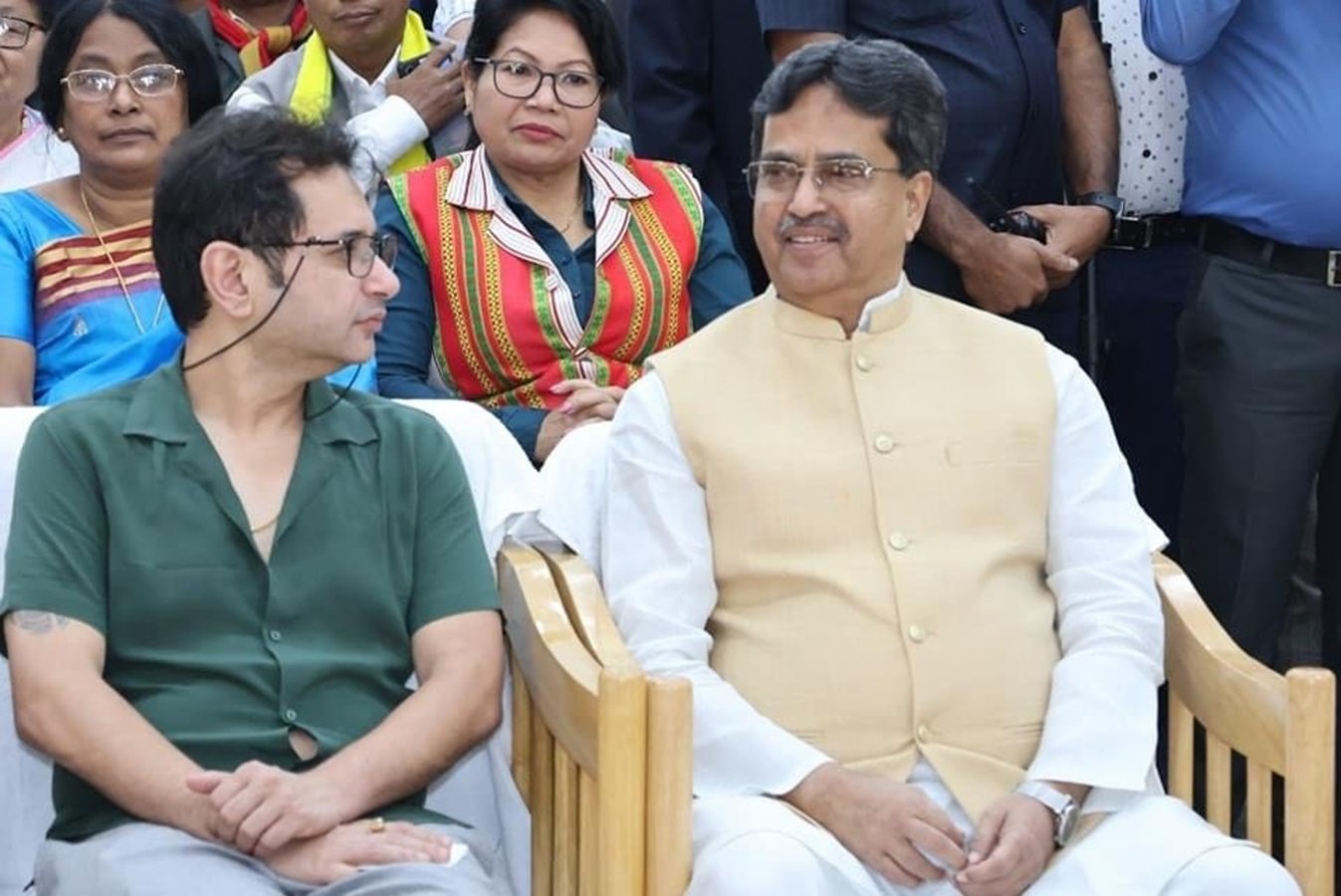
Tipra Motha Party founder Pradyot Kishore Manikya Debbarma has called for stronger protection of indigenous land rights in Tripura. He has stressed the need to safeguard the interests of the state’s tribal communities and ensure that indigenous people retain control over their traditional lands.
The issue of land rights remains highly sensitive in Tripura. Tribal communities have long raised concerns about land ownership, displacement and demographic changes. Pradyot has repeatedly placed these issues at the centre of his political campaign and has sought stronger constitutional and legal safeguards for indigenous people.
His latest call comes amid continuing discussions over the rights and development of Tripura’s tribal population. The demand also reflects wider concerns about protecting the cultural identity and economic interests of indigenous communities while ensuring development across the state.
Pradyot Highlights Indigenous Land Rights
Pradyot has stressed that land remains one of the most important issues for Tripura’s indigenous population. For tribal communities, land provides not only economic security but also a connection to their culture, traditions and identity.
He has argued that existing protections must remain effective and that authorities should take steps to prevent the illegal transfer or occupation of tribal land.
According to Pradyot, indigenous communities should have a greater role in decisions involving their traditional territories. Development projects and other land-related decisions should consider the interests of local residents.
He has also called for stronger implementation of existing laws designed to protect tribal land. Effective enforcement, he said, is necessary to ensure that legal safeguards translate into actual protection on the ground.
Land Closely Linked to Tribal Identity
Land has a unique importance for Tripura’s indigenous communities. Many tribal families depend on land for agriculture, livelihoods and community life.
Traditional land also forms an important part of tribal culture. Villages, forests and agricultural areas are connected to customs and social practices that have developed over generations.
Therefore, the loss of traditional land can create economic as well as cultural challenges. Families that lose access to land may face difficulties in maintaining their livelihoods.
Pradyot’s emphasis on land rights reflects this broader understanding. He has argued that protecting indigenous land is necessary to protect the community’s long-term identity and economic security.
Concerns Over Land Transfer
One of the major concerns raised by tribal organisations in Tripura involves the transfer of land belonging to indigenous communities.
Tripura has legal provisions that restrict the transfer of tribal land to non-tribal people. However, activists and community representatives have often raised questions about implementation and enforcement.
Pradyot has called for stronger monitoring of land transactions. Authorities should identify illegal transfers and take appropriate action where necessary.
Greater transparency in land records could also help protect vulnerable landowners. Clear records can make it easier to identify ownership disputes and prevent fraudulent transactions.
At the same time, tribal communities need access to legal assistance when they face land-related disputes. Many people in rural areas may not have the resources or knowledge required to navigate complex legal procedures.
Development Must Protect Indigenous Interests
Pradyot has also stressed that development and indigenous rights should move together. He has not argued against development, but has called for a development model that protects the interests of local communities.
Infrastructure projects can create jobs and improve public services. However, such projects can also affect landowners if authorities acquire land without adequate consultation or compensation.
Therefore, local communities should have an opportunity to understand proposed projects and raise concerns before major decisions take place.
Pradyot has argued that development should not result in the permanent loss of indigenous land without adequate safeguards. Authorities must balance economic growth with the protection of traditional rights.
Greater Role for Tribal Institutions
Tripura’s tribal areas are governed by the Tripura Tribal Areas Autonomous District Council. The council plays an important role in administering areas where a large proportion of the state’s indigenous population lives.
Pradyot has consistently emphasised the importance of strengthening tribal institutions. Stronger institutions can give indigenous communities a greater voice in decisions affecting their land and resources.
He has also supported demands for greater constitutional protection for Tripura’s tribal population. The push for enhanced safeguards has been a major part of Tipra Motha’s political agenda.
A stronger institutional framework could help address land-related concerns while also supporting education, healthcare and economic development in tribal areas.
Need for Stronger Implementation
Legal protection alone may not be enough to address land concerns. Authorities must also ensure effective implementation at the local level.
Government departments need to maintain accurate land records and respond quickly to complaints. Officials must also investigate allegations of illegal land transfers.
Pradyot has called for greater accountability in the implementation of land protection measures. He has argued that tribal communities should not have to struggle for years to recover land that laws already protect.
Regular monitoring could help prevent disputes from becoming more complicated. Local administration can also work with tribal institutions to identify vulnerable areas and address concerns early.
Indigenous Communities Need Economic Security
Protecting land rights also has a direct connection with economic development. Many tribal families depend on agriculture and natural resources for their livelihoods.
If communities lose access to productive land, they may face financial insecurity. This can also increase dependence on wage labour and migration.
Therefore, land protection should form part of a wider development strategy. Governments can support indigenous communities through better agricultural facilities, market access, skill development and employment opportunities.
Pradyot’s focus on land rights reflects this broader concern. Protecting land can provide communities with a stable economic base while development programmes can create additional opportunities.
Cultural Identity Also at Stake
The land rights debate in Tripura also involves cultural preservation. Indigenous communities have distinct languages, traditions, festivals and social practices.
Changes in land ownership and population patterns can affect the cultural environment in which these traditions survive. Protecting traditional communities can therefore contribute to preserving Tripura’s cultural diversity.
Pradyot has repeatedly linked indigenous rights with the preservation of the state’s identity. He believes that development should not weaken the cultural foundations of tribal society.
Greater attention to indigenous languages, traditions and heritage can complement land protection measures. Schools and cultural institutions can also help younger generations remain connected to their heritage.
Political Importance of Land Rights
Indigenous land rights remain a major political issue in Tripura. The subject has played an important role in the rise of Tipra Motha and its political demands.
Pradyot has used the issue to highlight concerns among tribal communities and demand greater constitutional protection. His position has also influenced political discussions between regional parties and the central government.
The issue remains relevant as Tripura works to balance the interests of different communities. Political leaders face the challenge of addressing indigenous concerns while ensuring that development benefits the entire population.
Pradyot Seeks Long-Term Protection
Pradyot’s latest call for protecting indigenous land rights reflects his continued focus on the issue. He wants stronger safeguards, better implementation of existing laws and greater participation of tribal communities in land-related decisions.
For indigenous families, secure land ownership can provide both economic stability and cultural continuity. Protecting these rights can also reduce disputes and strengthen confidence in government institutions.
The challenge now lies in turning political commitments into effective action. Authorities will need to strengthen land records, monitor transfers and ensure that tribal institutions have a meaningful role in decision-making.
Tripura’s development will continue to require land for infrastructure, industry and public services. However, such development must also respect the rights of communities that have lived on these lands for generations.
Pradyot’s demand therefore places indigenous land protection at the centre of Tripura’s wider development debate. His message is that economic progress and indigenous rights do not have to conflict. With proper consultation, stronger legal safeguards and effective implementation, the state can pursue development while protecting the land, identity and future of its indigenous communities.