

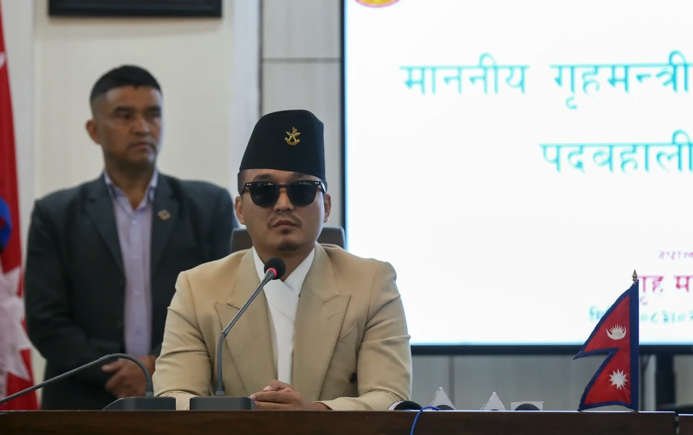
In a move that has reignited national debate and public interest, Nepal’s reinstated Home Minister has ordered the reopening of the investigation into the country’s royal massacre case, one of the most controversial and tragic events in the nation’s modern history. The decision comes more than two decades after the incident that dramatically altered Nepal’s political landscape and continues to generate questions among citizens, historians, and political observers.
The directive to reopen the case has been welcomed by those who have long sought greater transparency regarding the circumstances surrounding the massacre. Supporters of the move argue that a fresh investigation could help address lingering doubts, uncover new evidence, and provide answers to questions that have remained unresolved for years.
The decision has once again placed the royal massacre at the center of public discourse, highlighting its enduring significance in Nepal’s political and historical narrative.
A Case That Changed Nepal’s History
The royal massacre remains one of the most defining moments in Nepal’s recent history. The incident shocked the nation and drew international attention due to its devastating impact on the royal family and the country’s political future.
The tragedy led to a period of uncertainty and contributed to significant political developments in the years that followed. Public confidence in institutions was affected, and debates regarding the official version of events persisted long after investigations were completed.
Over the years, numerous theories, allegations, and questions have continued to circulate regarding the circumstances surrounding the incident. Although official inquiries were conducted, sections of the public have remained unconvinced, calling for greater transparency and a more comprehensive examination of the case.
The renewed investigation seeks to revisit these concerns and determine whether additional information can be brought to light.
Home Minister Orders Fresh Review
Following his reinstatement, the Home Minister directed relevant authorities to begin the process of reopening the case. According to officials, the review is expected to examine available evidence, previous findings, and any new information that may have emerged since the original investigations.
The minister reportedly emphasized the importance of public trust and accountability, stating that issues of national significance should be addressed through transparent and credible processes.
Authorities are expected to determine the scope of the fresh inquiry and identify the legal and procedural steps necessary to move forward. The review could involve consultations with investigators, legal experts, historians, and other stakeholders.
Government officials have indicated that the process will be conducted in accordance with existing laws and institutional procedures.
Renewed Calls for Transparency
The decision to reopen the case has been welcomed by individuals and groups that have long demanded greater clarity regarding the royal massacre. Advocates argue that a renewed investigation can help strengthen public confidence in state institutions by demonstrating a commitment to transparency and accountability.
Many observers believe that unresolved historical controversies can continue to influence public perceptions and political discourse. As a result, addressing lingering questions through a credible review process may contribute to greater public understanding of past events.
Supporters of the move have emphasized that the objective should not be political gain but rather the pursuit of facts and historical accuracy. They argue that citizens deserve access to information regarding one of the most consequential events in the country’s history.
The reopening of the case is therefore being viewed as an opportunity to revisit unanswered questions through an institutional framework.
Legal and Investigative Challenges
Despite widespread interest in the case, reopening an investigation after more than two decades presents significant challenges. Legal experts note that evidence preservation, witness availability, and procedural requirements can complicate efforts to revisit historical cases.
Investigators may face difficulties in accessing records, verifying information, and assessing evidence that has aged considerably over time. The passage of years can also affect the reliability of testimony and the availability of relevant documentation.
Nevertheless, proponents argue that advances in investigative techniques and renewed institutional commitment may help overcome some of these obstacles. They believe that even a limited review could provide valuable insights into aspects of the case that remain contested.
Authorities are expected to carefully evaluate the practical and legal implications before determining the next course of action.
Political Reactions to the Decision
The Home Minister’s directive has generated varied reactions across Nepal’s political landscape. Some political leaders have expressed support for the decision, describing it as a necessary step toward transparency and historical accountability.
Others have urged caution, emphasizing the importance of ensuring that the investigation remains independent and free from political influence. They argue that any review must be guided by evidence and conducted in a manner that preserves public confidence in the process.
Political analysts note that the royal massacre continues to hold symbolic significance in Nepal, making any attempt to revisit the case a matter of considerable public and political interest.
The government’s approach to the investigation will therefore be closely monitored by political parties, civil society organizations, and the broader public.
Public Interest Remains Strong
More than twenty years after the tragedy, public interest in the royal massacre remains remarkably strong. Books, documentaries, media reports, and academic discussions have continued to explore various aspects of the event and its aftermath.
For many citizens, the incident represents a pivotal moment that reshaped Nepal’s political trajectory. Questions surrounding the case have persisted across generations, contributing to ongoing debates about accountability, governance, and historical memory.
The decision to reopen the investigation has reignited these discussions and prompted renewed scrutiny of past findings. Social media platforms, public forums, and news outlets have witnessed increased engagement on the issue since the announcement.
Many citizens view the fresh review as an opportunity to achieve greater clarity regarding a defining chapter in Nepal’s history.
Implications for Historical Accountability
The reopening of the royal massacre case highlights broader questions regarding historical accountability and institutional transparency. Governments around the world often face demands to revisit significant historical events when sections of the public believe important questions remain unanswered.
Supporters of the review argue that confronting difficult chapters of history can strengthen democratic institutions and promote public trust. They contend that transparency is essential for ensuring accountability and preserving confidence in governance.
The Nepal government’s decision may therefore have implications beyond the specific details of the case, contributing to wider discussions about how societies address unresolved historical controversies.
Looking Ahead
The reinstated Home Minister’s decision to reopen the Nepal royal massacre case marks a significant development in one of the country’s most enduring historical controversies. While the investigation faces legal, procedural, and evidentiary challenges, the move has generated renewed hope among those seeking greater transparency and accountability.
As authorities determine the scope and structure of the review, public attention is likely to remain focused on the process and its findings. Whether the renewed investigation uncovers new evidence or simply reexamines existing records, it is expected to contribute to ongoing efforts to better understand a pivotal moment in Nepal’s history.
For many citizens, the reopening of the case represents more than a legal or political exercise. It is an opportunity to seek clarity, address lingering questions, and revisit an event that continues to shape the nation’s collective memory more than two decades later.