

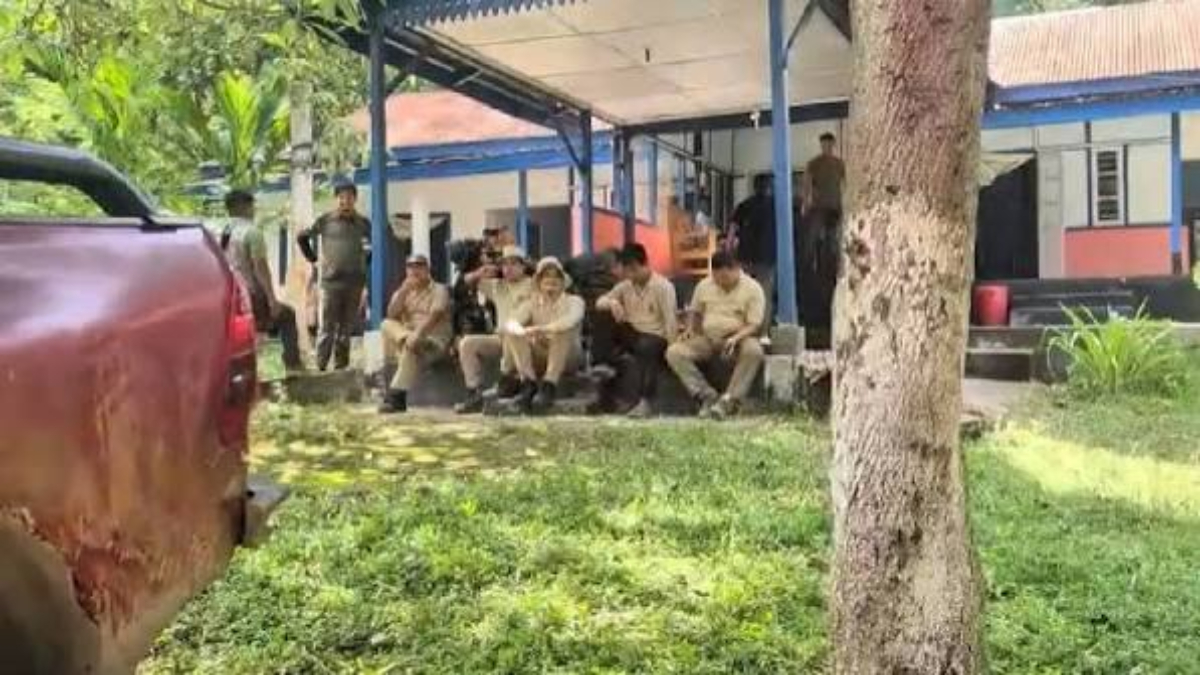
The Assam forest officials who went missing during an official expedition in the dense forests of Dima Hasao have safely returned after spending nearly three days stranded in challenging terrain. The safe return of all 23 officials has brought immense relief to their families, colleagues, and the Assam government. The incident highlighted the risks faced by frontline forest personnel working in remote regions while also demonstrating the effectiveness of coordinated rescue efforts.
Search Operation Ends with Safe Return
All 23 forest officials who had been reported missing in Assam’s Dima Hasao district were traced and returned safely after being stranded inside a remote forest area for nearly 72 hours. The team had ventured into the forest as part of an official assignment but lost communication due to poor connectivity, difficult terrain, and adverse weather conditions.
According to officials, the group was unable to establish contact with authorities because of the absence of mobile network coverage in the dense forest. As concern grew over their whereabouts, the Assam Forest Department launched coordinated search operations involving local authorities and rescue teams.
The safe return of the Assam forest officials ended days of uncertainty and anxiety among family members and government agencies.
Why the Officials Were Stranded
The officials had entered the forest as part of routine departmental work, which reportedly involved field inspections and monitoring activities in the ecologically sensitive region of Dima Hasao.
Difficult Terrain and Communication Challenges
The Dima Hasao district is known for its rugged hills, thick forests, and limited communication infrastructure. Continuous rainfall, slippery forest tracks, and the absence of reliable mobile connectivity made movement extremely difficult and delayed the team’s return.
Officials stated that the stranded personnel remained safe throughout the period despite the harsh conditions. They managed available resources carefully while waiting to reconnect with rescue teams.
The incident once again underscored the operational challenges faced by Assam forest officials while carrying out conservation and monitoring responsibilities in remote forest landscapes.
Coordinated Rescue Efforts
As soon as communication with the team was lost, authorities initiated extensive search operations across the affected forest area. Multiple government agencies coordinated their efforts to trace the missing personnel.
Rescue teams relied on local knowledge, forest routes, and information from nearby villages to narrow down the search area. Due to difficult weather conditions and dense vegetation, the operation required careful planning and continuous ground searches.
Eventually, the officials established contact and safely made their way back, bringing the rescue operation to a successful conclusion.
Government Expresses Relief
The successful return of all 23 officials was welcomed by the Assam government and senior Forest Department authorities. Officials appreciated the dedication of the rescue teams and expressed relief that no casualties or serious injuries were reported.
The Forest Department also acknowledged the resilience shown by the stranded personnel, who remained calm despite facing prolonged isolation inside the forest.
Authorities are expected to review operational protocols to minimize similar situations during future field assignments, particularly in remote and communication-deficient regions.
Importance of Dima Hasao’s Forests
Dima Hasao is one of Assam’s most ecologically significant districts, containing vast stretches of reserved forests, wildlife habitats, and biodiversity-rich landscapes. Forest officials frequently conduct surveys, patrolling, wildlife monitoring, and conservation-related inspections across these challenging terrains.
The work performed by Assam forest officials is crucial for protecting wildlife, preventing illegal logging, monitoring biodiversity, and supporting sustainable forest management.
However, the difficult geography often presents logistical challenges, making emergency communication and transportation a constant concern for field personnel.
Calls for Better Safety Measures
The incident has prompted discussions about strengthening safety measures for officials deployed in remote forest areas.
Experts have suggested several improvements, including:
- Better satellite communication devices for field teams.
- GPS tracking equipment during long forest expeditions.
- Enhanced emergency response protocols.
- Improved coordination between forest staff and local administration.
- Regular risk assessments before entering inaccessible regions.
Such measures could significantly reduce risks while ensuring that conservation work continues without compromising the safety of personnel.
Lessons from the Incident
While the outcome was positive, the episode serves as an important reminder of the unpredictable conditions encountered during field operations.
Natural obstacles such as heavy rainfall, dense vegetation, and poor communication infrastructure remain persistent challenges across many protected forest areas in Northeast India. Strengthening preparedness and equipping field teams with modern communication technology can greatly improve emergency response capabilities.
The successful rescue also highlighted the importance of teamwork among government agencies, local communities, and rescue personnel during emergency situations.
A Welcome Relief for Assam
The safe return of all 23 Assam forest officials marks the successful end of an incident that had generated widespread concern across the state. Their survival after spending three days inside the remote forests of Dima Hasao reflects both the resilience of frontline forest personnel and the commitment of rescue agencies that worked tirelessly to locate them.
As Assam continues strengthening forest conservation initiatives, the incident is likely to encourage further investment in communication systems, safety equipment, and emergency preparedness for officials working in some of the state’s most challenging landscapes. Protecting those who safeguard Assam’s forests remains just as important as protecting the forests themselves.