

The Rhino Poaching Arrest marks a significant development in wildlife protection efforts after police arrested a suspected poacher near the southern periphery of Orang National Park in Assam. The arrest highlights continued enforcement efforts to protect the park’s rhinoceros population from illegal hunting and wildlife crime.
Authorities regularly face challenges in protecting vulnerable wildlife across large protected areas. Moreover, coordinated policing, forest protection measures, intelligence gathering, and community cooperation can help prevent organized poaching networks from operating around protected habitats.
The latest arrest could support ongoing efforts to strengthen wildlife security around Orang National Park. However, the available information does not identify the arrested individual or provide details about any weapons, wildlife products, or other evidence recovered during the operation.
Medical Infrastructure: Guwahati Medical College Hospital Opens 50-Bed Japanese Encephalitis Wing
Rhino Poaching Arrest Strengthens Wildlife Protection
The Rhino Poaching Arrest represents an important enforcement action near Orang National Park.
Police arrested a suspected poacher near the southern boundary of the protected area. Furthermore, arrests of individuals allegedly involved in wildlife crime can assist authorities in investigating wider networks and identifying potential threats to protected species.
The operation also highlights the importance of security around park boundaries.
However, the available information does not state whether the arrest resulted from a specific intelligence operation or routine patrol activity.
Rhino Poaching Arrest Highlights Threats to Protected Wildlife
The Rhino Poaching Arrest draws attention to the continuing threat posed by illegal wildlife hunting.
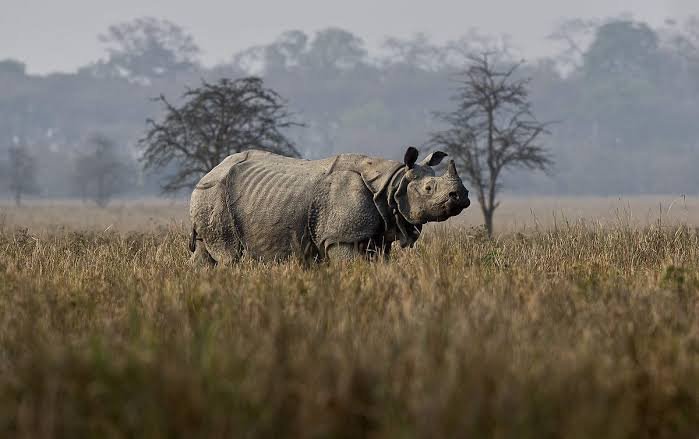
Greater one-horned rhinoceroses remain an important conservation species in Assam. Additionally, protected areas such as Orang National Park provide critical habitat for the state’s rhinoceros population.
Preventing poaching therefore remains an important part of wildlife management.
However, the available information does not provide recent poaching statistics for Orang National Park or indicate whether the arrest relates to a specific poaching incident.
Rhino Poaching Arrest Focuses on Park Periphery
The Rhino Poaching Arrest occurred near the southern periphery of Orang National Park.
Park boundaries can require particular attention because individuals attempting to enter or leave protected areas may use surrounding routes and communities. Moreover, coordinated surveillance around boundary zones can help authorities identify suspicious activity before it develops into a wildlife crime.
The location of the arrest therefore has significance for broader park-security efforts.
However, the available information does not specify the exact location or circumstances surrounding the arrest.
Rhino Poaching Arrest Could Aid Further Investigation
The Rhino Poaching Arrest could help investigators examine possible connections between the arrested individual and other wildlife-crime networks.
Poaching cases can involve multiple participants performing different roles, including identifying animals, arranging transportation, and attempting to sell illegally obtained wildlife products. Furthermore, investigators can use evidence gathered during arrests to determine whether additional individuals may have participated.
However, no information currently confirms that the arrested individual belonged to a wider organized network.
Therefore, any connection beyond the arrest remains subject to investigation.
Rhino Poaching Arrest Supports Assam Conservation Efforts
The Rhino Poaching Arrest contributes to broader conservation efforts in Assam.
Orang National Park forms part of Assam’s protected-area network and provides habitat for important wildlife species. Additionally, effective enforcement can complement habitat management, wildlife monitoring, and conservation programmes.
Protecting rhinoceroses requires both field-level security and long-term habitat protection.
However, the available information does not specify whether the arrest resulted from cooperation between police, forest officials, or other wildlife-protection agencies.
Rhino Poaching Arrest Highlights Importance of Intelligence
The Rhino Poaching Arrest demonstrates the importance of information and surveillance in combating wildlife crime.
Authorities can use intelligence gathering, patrols, community information, and inter-agency coordination to identify suspected poaching activity. Moreover, timely information can help security teams respond before wildlife offenders cause further harm.
Such measures can strengthen protection around vulnerable areas.
However, the available information does not reveal how authorities identified the suspect.
Rhino Poaching Arrest Could Strengthen Border Surveillance
The Rhino Poaching Arrest may encourage authorities to maintain stronger surveillance around the park’s outer areas.
Poaching threats can extend beyond the immediate boundaries of protected forests. Furthermore, monitoring access routes and coordinating with nearby communities can help officials identify suspicious movement around sensitive wildlife habitats.
Effective boundary surveillance can therefore complement internal park patrols.
However, the available information does not indicate whether authorities have introduced any new surveillance measures following the arrest.
Rhino Poaching Arrest Underscores Legal Enforcement
The Rhino Poaching Arrest also highlights the role of law enforcement in protecting endangered and protected wildlife.
Wildlife offences can result in serious legal consequences under India’s wildlife-protection framework. Additionally, successful prosecution depends on proper investigation, evidence collection, and compliance with legal procedures.
The arrest represents an initial enforcement step, while the subsequent investigation and judicial process will determine the case’s outcome.
However, the available information does not provide details about the charges filed against the suspect.
Rhino Poaching Arrest Highlights Need for Community Support
The Rhino Poaching Arrest also emphasizes the potential importance of local communities in conservation.
Communities living near protected areas can provide valuable information about suspicious activity and help authorities identify emerging threats. Moreover, conservation programmes that build trust with local residents can strengthen cooperation between communities and wildlife officials.
Community participation can therefore complement formal enforcement.
However, the available information does not mention any community-based intelligence or conservation initiative connected to this particular arrest.
Conclusion
The Rhino Poaching Arrest marks a significant wildlife-protection development after police arrested a suspected poacher near the southern periphery of Orang National Park in Assam. The action highlights continued efforts to protect the park’s rhinoceros population and prevent illegal wildlife activity.
Moreover, effective conservation requires coordinated enforcement, intelligence gathering, boundary surveillance, habitat protection, and community cooperation. However, the available information does not provide the suspect’s identity, the circumstances of the arrest, the evidence recovered, or details of any wider investigation.
Overall, the Rhino Poaching Arrest reinforces the importance of strong enforcement around protected wildlife habitats. Further investigation and continued surveillance will remain important for preventing poaching threats and protecting Assam’s rhinoceros population.
FAQs
1. What happened in the Rhino Poaching Arrest?
Police arrested a suspected poacher near the southern periphery of Orang National Park in Assam.
2. Why is the arrest significant?
It represents an enforcement action aimed at preventing illegal wildlife activity and protecting rhinoceroses in and around the national park.
3. Where did the arrest take place?
The arrest occurred near the southern periphery of Orang National Park.
4. Has the suspect been convicted?
No conviction can be established from the information provided. An arrest marks the beginning of the legal process, and guilt must be determined through the appropriate judicial proceedings.
5. What helps prevent rhino poaching?
Regular patrols, intelligence gathering, boundary surveillance, inter-agency cooperation, community participation, and effective prosecution can all contribute to wildlife protection.