

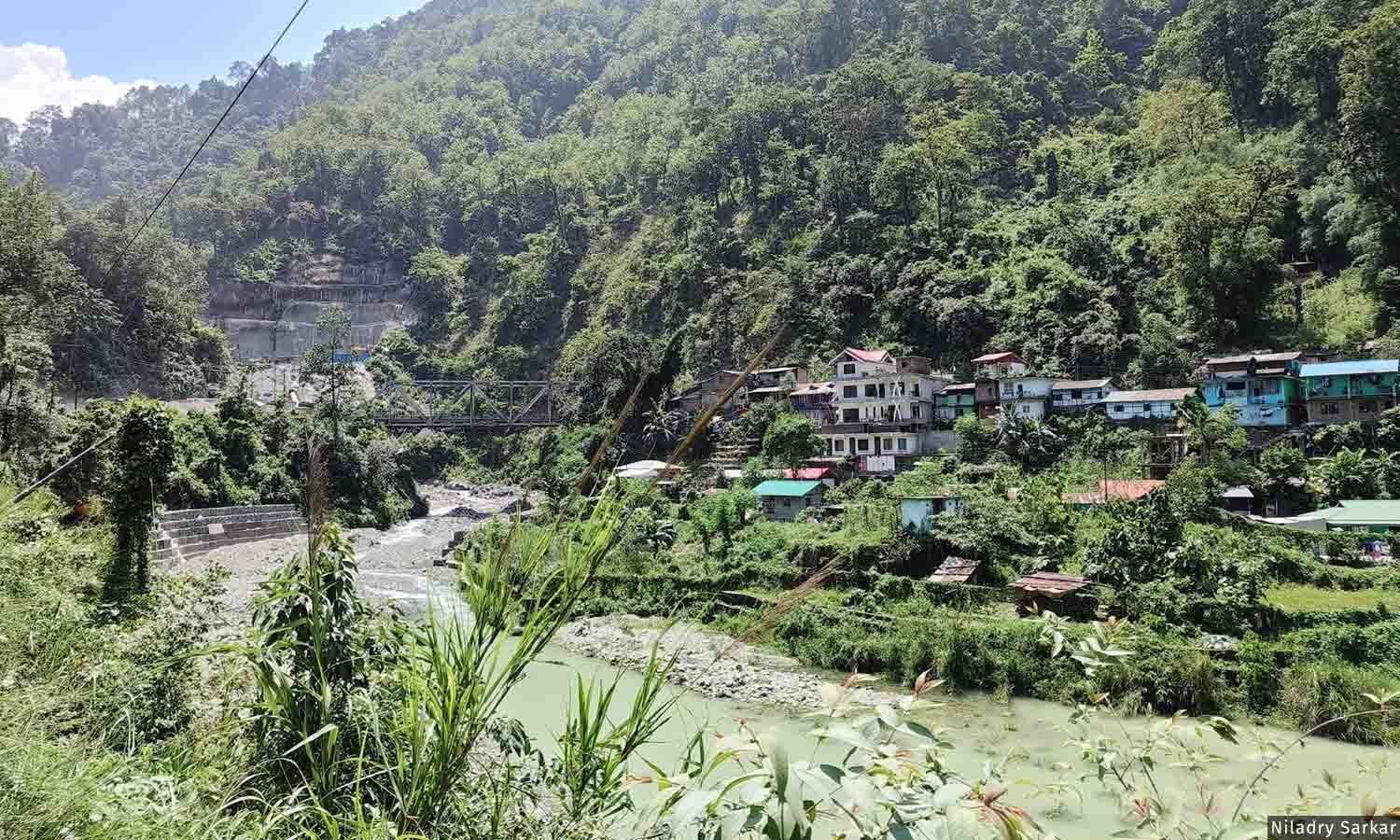
The Sevoke Rangpo railway project review gained momentum as a Parliamentary Standing Committee conducted a detailed on-ground inspection of the challenging mountain-terrain railway line connecting Sevoke in West Bengal to Rangpo in Sikkim. The review aims to assess project progress, engineering challenges, and implementation delays to expedite completion. Moreover, the inspection reflects renewed focus on improving rail connectivity to Sikkim, a strategically important and geographically difficult region.
North East Vision Plan 2047 Takes Center Stage at NEC Plenary Session
NEC Reviews Task Force Achievements Across Northeast Development Sectors
Parliamentary Committee Conducts On-Ground Inspection
A Parliamentary Standing Committee carried out a physical review of the Sevoke–Rangpo railway corridor.
Moreover, the Sevoke Rangpo railway project review focused on evaluating construction progress in difficult Himalayan terrain.
Consequently, the inspection is expected to help accelerate decision-making on pending project issues.
Challenging Mountain Engineering Project
The railway line passes through highly complex mountainous geography.
Furthermore, the project includes tunnels, bridges, and slope stabilization work across fragile terrain.
Therefore, engineering challenges remain a key factor affecting timelines.
Focus on Improving Sikkim Connectivity
The project is considered vital for enhancing Sikkim’s rail connectivity with the rest of India.
Moreover, improved rail access is expected to boost trade, tourism, and mobility in the region.
As a result, the project holds both strategic and economic importance.
Review of Delays and Implementation Issues
The Sevoke Rangpo railway project review included assessment of delays and execution bottlenecks.
Furthermore, factors such as terrain difficulty, weather conditions, and environmental clearance requirements were examined.
Consequently, recommendations are expected to streamline project execution.
Strategic Importance of the Railway Line
The Sevoke–Rangpo rail link is seen as a strategically important infrastructure project.
Moreover, it enhances connectivity in a sensitive border region close to international boundaries.
Therefore, the project also carries national security relevance.
Boost to Economic Development
Once completed, the railway is expected to significantly improve regional economic activity.
Furthermore, better transport connectivity can reduce logistics costs and improve market access.
As a result, local industries and tourism sectors may benefit.
Environmental and Engineering Balance
The project requires careful balancing of infrastructure development and environmental protection.
Moreover, construction in ecologically sensitive zones demands strict compliance measures.
Consequently, sustainable engineering practices remain essential.
Looking Ahead
The Sevoke Rangpo railway project review is expected to lead to policy and implementation recommendations.
Furthermore, agencies may accelerate work based on committee observations.
Therefore, progress monitoring is likely to intensify in the coming months.
Conclusion
The parliamentary inspection of the Sevoke–Rangpo railway line underscores the importance of accelerating infrastructure development in Sikkim. The Sevoke Rangpo railway project review highlights both the challenges and strategic significance of completing this critical connectivity project.
FAQs
What is the Sevoke–Rangpo railway project?
It is a railway line connecting West Bengal to Sikkim through mountainous terrain.
Why was it reviewed?
To assess progress and speed up project completion.
Who conducted the review?
A Parliamentary Standing Committee.
Why is the project important?
It improves Sikkim’s connectivity and supports economic development.
What are the challenges?
Difficult terrain, environmental concerns, and engineering complexity.