

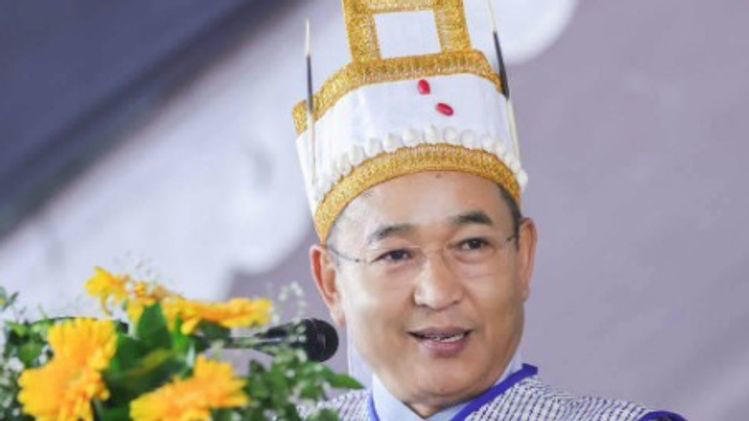
Sikkim Chief Minister Prem Singh Tamang has called for stronger cultural ties between Sikkim and Darjeeling while addressing participants at the Kirati Festival. Emphasising the shared history, traditions, and cultural heritage of the people of the Himalayan region, the Chief Minister said closer cultural engagement would strengthen social harmony, preserve indigenous traditions, and promote mutual understanding between the two neighbouring regions.
Addressing the gathering, Tamang highlighted the significance of cultural festivals in preserving the identity of indigenous communities while fostering unity among people with shared historical and cultural roots. He noted that the long-standing relationship between Sikkim and Darjeeling extends beyond geographical proximity and is deeply rooted in common traditions, languages, customs, and social values.
The Chief Minister observed that strengthening cultural exchanges would benefit future generations by helping preserve the region’s rich heritage.
Kirati Festival Celebrates Indigenous Heritage
The Kirati Festival served as a vibrant celebration of the traditions, customs, and cultural identity of the Kirati community. The event featured traditional music, dance performances, cultural exhibitions, indigenous cuisine, and community gatherings that reflected the rich heritage of one of the Himalayan region’s prominent indigenous communities.
Speaking at the festival, the Chief Minister praised the organisers for preserving traditional practices and creating opportunities for younger generations to connect with their cultural roots.
He observed that such festivals play a vital role in promoting cultural awareness while encouraging respect for the diversity that characterises Sikkim and the wider Himalayan region.
The event also highlighted the importance of safeguarding indigenous languages, art forms, and traditional knowledge for future generations.
Shared History Connects Sikkim and Darjeeling
Chief Minister Tamang emphasised that Sikkim and Darjeeling have maintained close cultural, historical, and social connections for generations. Families, communities, educational institutions, and cultural organisations have long contributed to strengthening ties between the two regions.
He noted that the people of both regions share similar traditions, festivals, languages, and values, making cultural cooperation both natural and mutually beneficial.
According to the Chief Minister, these historic relationships should continue to be nurtured through regular cultural exchanges, educational collaborations, and community interactions.
He stressed that preserving shared heritage contributes to greater social cohesion while reinforcing regional identity.
Cultural Exchange Strengthens Unity
The Chief Minister highlighted cultural exchange as an effective means of strengthening unity among communities while promoting mutual respect and understanding. He encouraged greater collaboration between cultural organisations, artists, scholars, and youth groups from Sikkim and Darjeeling.
Regular cultural programmes, festivals, exhibitions, and educational initiatives, he said, can help preserve traditional art forms while creating opportunities for meaningful interaction between communities.
He also emphasised the role of young people in carrying forward cultural traditions and ensuring that indigenous heritage remains vibrant in an increasingly globalised world.
The government, he added, remains committed to supporting initiatives that encourage cultural preservation and community engagement.
Preserving Indigenous Languages and Traditions
During his address, Tamang stressed the importance of protecting indigenous languages, literature, folklore, music, and traditional customs. He observed that cultural heritage forms an integral part of community identity and must be preserved through continuous documentation, education, and public participation.
The Chief Minister encouraged educational institutions and cultural organisations to promote awareness about indigenous history and traditions among younger generations.
He noted that language preservation plays a particularly important role in maintaining cultural continuity and strengthening community identity.
Government support for cultural programmes, research, and heritage preservation will continue to remain a priority, he assured.
Government’s Commitment to Cultural Development
The Sikkim government has consistently promoted policies aimed at preserving the state’s rich cultural diversity. During the festival, the Chief Minister reiterated his administration’s commitment to supporting indigenous communities through cultural initiatives, infrastructure development, and institutional support.
He stated that investments in cultural centres, museums, archives, festivals, and educational programmes contribute significantly to safeguarding traditional heritage while promoting tourism and economic development.
The government also intends to encourage greater participation by artists, performers, researchers, and community organisations in cultural preservation initiatives.
Officials believe that protecting cultural heritage contributes to both social harmony and sustainable development.
Promoting Tourism Through Cultural Heritage
Chief Minister Tamang also highlighted the role of cultural tourism in strengthening regional economies. Festivals such as the Kirati Festival not only preserve traditions but also attract visitors interested in experiencing the unique cultural heritage of the Himalayan region.
He observed that promoting cultural tourism creates opportunities for local artisans, performers, entrepreneurs, and hospitality businesses while generating employment and supporting rural livelihoods.
Strengthening cultural ties between Sikkim and Darjeeling can further enhance tourism by encouraging collaborative festivals, heritage circuits, and cultural exchange programmes.
The Chief Minister noted that responsible tourism rooted in local traditions can contribute to sustainable economic growth.
Youth Encouraged to Preserve Cultural Identity
A significant part of the Chief Minister’s address focused on the responsibility of young people in preserving cultural traditions. He encouraged the younger generation to actively participate in community events, learn indigenous languages, document oral histories, and take pride in their cultural heritage.
According to him, cultural identity serves as an important foundation for building strong communities while promoting social unity and mutual respect.
He urged educational institutions and families to continue passing traditional knowledge, values, and customs to future generations.
The Chief Minister expressed confidence that active youth participation would ensure the continued vitality of the region’s diverse cultural heritage.
Vision for Stronger Regional Cultural Cooperation
Concluding his address, Chief Minister Prem Singh Tamang reaffirmed his vision of building stronger cultural ties between Sikkim and Darjeeling through continuous dialogue, cooperation, and community participation. He expressed confidence that deeper cultural engagement would strengthen regional unity while preserving the rich traditions shared by the people of both regions.
The Kirati Festival, he noted, serves as an excellent platform for celebrating diversity, encouraging cultural exchange, and promoting harmony among communities with shared historical roots.
As Sikkim continues to prioritise cultural preservation alongside social and economic development, initiatives promoting cooperation with neighbouring regions are expected to further strengthen the bonds of friendship, heritage, and mutual respect. The Chief Minister’s call for closer cultural ties reflects a broader vision of preserving the Himalayan region’s unique identity while fostering unity through shared traditions and collective cultural pride.