

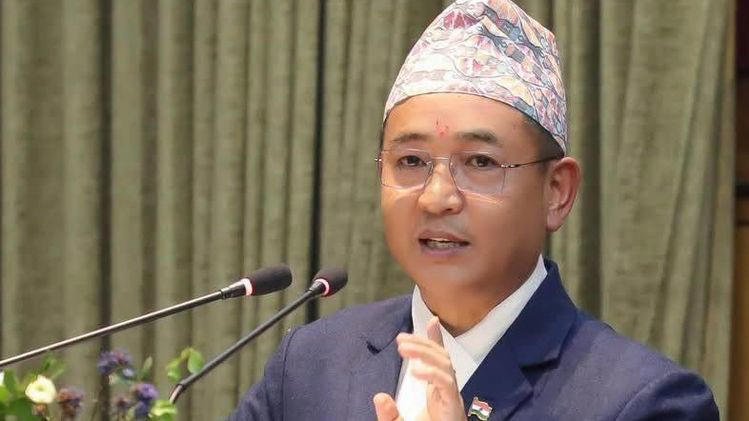
Sikkim Chief Minister Prem Singh Tamang has hailed the constitutional recognition of the Nepali language and called upon the younger generation to take greater responsibility for preserving, promoting and passing on the language to future generations. Emphasising that language is closely connected with identity, culture and heritage, the Chief Minister said the recognition of Nepali in the Indian Constitution remains a significant milestone for the Nepali-speaking people of the country.
The Chief Minister highlighted the importance of remembering the long struggle and collective efforts that led to the inclusion of Nepali in the Eighth Schedule of the Constitution. While constitutional recognition gave the language an important place in India’s linguistic and cultural framework, he stressed that the responsibility of protecting the language does not end with official recognition.
According to Tamang, the younger generation has a particularly important role to play in ensuring that Nepali continues to remain vibrant and relevant in an increasingly globalised world. He urged young people to speak the language with pride, read Nepali literature and actively contribute to its growth through education, writing, art and modern technology.
Constitutional Recognition of Nepali a Historic Achievement
The inclusion of Nepali in the Eighth Schedule of the Indian Constitution is widely regarded as a landmark achievement for Nepali-speaking communities in India. Constitutional recognition provided the language with greater institutional legitimacy and strengthened its position in education, literature and public life.
For generations, Nepali-speaking people across different parts of India worked to secure recognition for their language. The movement was not merely about gaining an official status but also about protecting a linguistic identity that had developed over centuries.
The recognition demonstrated that India’s cultural strength lies in its diversity. The country is home to hundreds of languages and dialects, and each language represents a unique history, tradition and way of understanding the world. The constitutional recognition of Nepali therefore became an important symbol of inclusion and respect for the linguistic diversity of India.
For Sikkim, where Nepali is widely spoken and forms an important part of the state’s cultural life, the achievement carries special significance. The language connects people with their literature, traditions, songs, stories and collective memory.
Language Is More Than a Means of Communication
Chief Minister Tamang underlined the fact that a language is much more than simply a medium used for communication. It carries the experiences, values, traditions and history of a community from one generation to another.
When a language becomes weaker, a community can gradually lose its connection with important aspects of its cultural heritage. Folk stories may no longer be told, traditional literature may remain unread and expressions that carry unique cultural meanings may disappear from everyday life.
This is why the preservation of language is an important responsibility. A language survives not only because it is recognised by governments or taught in schools, but because people continue to use it in their daily lives.
The Chief Minister’s appeal to the youth is therefore particularly relevant. Young people influence the future of any language. Their choices regarding the languages they speak, read and write will determine whether the language remains active and develops with changing times.
Youth Must Take the Lead in Preserving Nepali
Calling upon young people to become active guardians of their linguistic heritage, Tamang stressed the importance of using Nepali with confidence and pride. The younger generation, he suggested, should not view their mother tongue as something limited to their homes or older generations.
Instead, Nepali should continue to find space in modern education, literature, music, cinema and digital communication. Social media and digital platforms can also become powerful tools for promoting the language among younger audiences.
Young writers, poets, musicians, filmmakers and content creators can contribute to making Nepali more accessible and relevant in the modern world. By producing creative and meaningful content, they can help introduce the richness of the language to new audiences.
Reading is equally important. Young people can contribute to the preservation of Nepali by exploring its literature and becoming familiar with the works of writers who have enriched the language over the years. Supporting new authors and encouraging the publication of contemporary literature can also help strengthen its future.
Preserving Language While Embracing Modernity
The Chief Minister’s message does not suggest that young people should avoid learning other languages. In today’s interconnected world, knowledge of multiple languages can provide significant educational and professional opportunities.
However, learning English, Hindi or other languages should not result in the neglect of one’s mother tongue. Multilingualism can allow young people to participate in the wider world while remaining connected to their cultural roots.
This balance is particularly important in the digital age. As communication increasingly takes place through global platforms, smaller and regional languages can sometimes struggle to maintain visibility. At the same time, technology also offers new opportunities for preservation.
Digital archives, online dictionaries, audiobooks, podcasts, educational videos and social media content can help languages reach wider audiences. Young people, who are among the most active users of digital technology, can play an important role in using these platforms to promote Nepali.
Role of Families and Educational Institutions
While young people have a central role to play, the responsibility of preserving a language cannot rest on them alone. Families, schools, cultural organisations and government institutions must work together to create an environment in which the language can flourish.
Parents and grandparents can pass on stories, traditions and everyday expressions to younger members of the family. Speaking the mother tongue at home can help children develop a natural connection with the language from an early age.
Schools and educational institutions also have an important responsibility. Effective teaching methods, quality learning materials and access to literature can encourage students to develop a deeper interest in Nepali.
Cultural programmes, literary festivals, debates and writing competitions can further create opportunities for young people to use the language creatively and confidently.
A Call to Protect Cultural Identity
Tamang’s appeal ultimately reflects a larger concern about protecting cultural identity in a rapidly changing world. Economic development and technological progress are important, but cultural heritage must also be preserved.
Language acts as a bridge between the past, present and future. It connects younger generations with the experiences of those who came before them and provides a foundation on which they can build their own identity.
The constitutional recognition of Nepali remains a historic achievement, but its continued strength will depend on the participation of the people who speak it. Recognition provides protection and legitimacy, but regular use, creativity and cultural engagement give a language its life.
Looking Towards the Future
The Sikkim Chief Minister’s message serves as both a reminder and a call to action. The struggle for the constitutional recognition of Nepali represents an important chapter in the history of the Nepali-speaking community in India. The next challenge is to ensure that the language continues to grow and evolve with time.
For the younger generation, this means embracing Nepali not only as a symbol of heritage but also as a living language capable of expressing modern ideas and aspirations.
By speaking it, reading it, writing it and creating new forms of content in it, young people can ensure that the legacy of the language continues. As Sikkim celebrates its rich linguistic and cultural heritage, the Chief Minister’s appeal highlights a simple but powerful message: preserving a language is a shared responsibility, and its future lies in the hands of the generations that choose to carry it forward.