

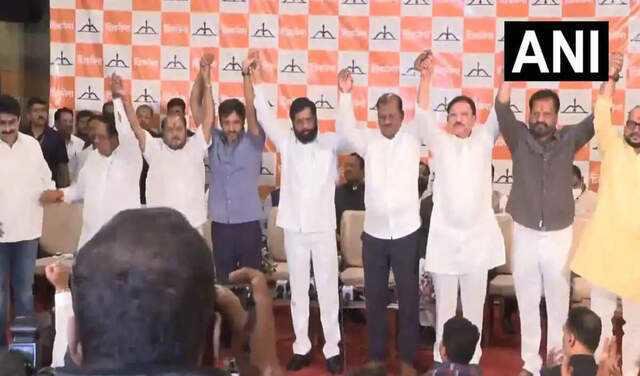
In a significant political development, six Members of Parliament (MPs) from Shiv Sena have joined the faction led by Maharashtra Chief Minister Eknath Shinde, delivering a major setback to the camp headed by Uddhav Thackeray. The move marks another important chapter in the ongoing political realignment within the party that began with the dramatic split in 2022.
The development has strengthened Shinde’s position within the Shiv Sena while raising fresh questions about the future strategy of the Uddhav Thackeray-led faction. Political observers view the shift as an indication of changing equations within Maharashtra politics and a reflection of the continuing struggle for influence within the regional party.
The decision by the MPs is expected to have implications not only for the internal dynamics of Shiv Sena but also for the broader political landscape in the state. Leaders from both camps have responded strongly, highlighting the significance of the development.
The latest move demonstrates that the contest between the two factions remains far from over despite previous legal and political battles.
Strengthening Eknath Shinde’s Leadership
The entry of six MPs into Shinde’s camp significantly strengthens his position as the leader of the faction recognized as the official Shiv Sena. Since the split, Shinde has worked to consolidate organizational support and expand his influence at both the state and national levels.
Political analysts note that support from elected representatives remains an important indicator of political strength. The addition of more MPs enhances Shinde’s standing within the party structure and provides greater leverage in future political negotiations.
The Chief Minister has consistently maintained that his faction represents the original ideology and vision of Shiv Sena. Supporters of Shinde argue that the growing number of leaders joining his camp reflects confidence in his leadership and political direction.
The latest development is likely to boost morale among party workers aligned with the Shinde faction and strengthen its organizational position across Maharashtra.
Leaders close to the Chief Minister described the move as evidence of growing support for the party’s current leadership.
Setback for Uddhav Thackeray Camp
For the faction led by Uddhav Thackeray, the departure of six MPs represents a significant political challenge. Since the original split, Thackeray has sought to rebuild the party organization and retain the loyalty of workers and supporters who remain committed to his leadership.
The latest defections may complicate those efforts by reducing the faction’s parliamentary strength and altering perceptions about its political influence. Opposition leaders often view such shifts as indicators of changing political momentum.
Supporters of Thackeray, however, have downplayed the significance of the development and emphasized the continued support the former Chief Minister enjoys among grassroots workers and loyal party members.
Party leaders have argued that political strength cannot be measured solely by the number of elected representatives and that ideological commitment remains equally important.
The Thackeray faction is expected to intensify its outreach efforts and focus on strengthening its organizational base in response to the latest setback.
Continuing Impact of the Shiv Sena Split
The roots of the current political developments can be traced back to the dramatic split within Shiv Sena that reshaped Maharashtra politics. The division led to a prolonged battle over leadership, party identity, and organizational control.
Subsequent legal and electoral decisions further influenced the balance of power between the two factions. The rivalry has continued to dominate political discussions in Maharashtra and remains one of the most significant developments in the state’s recent political history.
The latest movement of MPs highlights how the effects of the split continue to influence political alignments. Even years after the initial division, leaders and representatives continue to reassess their political positions.
Political observers note that factional struggles often evolve over time as leaders seek to strengthen their support bases and adapt to changing circumstances.
The Shiv Sena split remains a defining issue in Maharashtra politics, with consequences that continue to shape electoral strategies and political alliances.
Implications for Parliamentary Representation
The decision by six MPs to join Shinde’s faction also has implications for parliamentary representation and political influence at the national level. Members of Parliament play a crucial role in representing regional interests and contributing to national policy discussions.
A stronger parliamentary presence can enhance a faction’s visibility and bargaining power within broader political coalitions. Political parties often view parliamentary strength as an important asset in negotiations and strategic planning.
The move may also influence future discussions regarding leadership positions, alliance strategies, and electoral preparations. Political analysts suggest that parliamentary support often carries symbolic significance beyond numerical strength.
The development is therefore being closely watched by both allies and opponents of the Shiv Sena factions.
Observers believe that future political calculations may increasingly take into account the changing balance of support among elected representatives.
Impact on Maharashtra’s Political Landscape
The latest political shift extends beyond internal party matters and has implications for the wider political environment in Maharashtra. The state remains one of India’s most politically significant regions, and developments involving major parties often attract national attention.
Political realignments can influence alliance structures, campaign strategies, and voter perceptions. The movement of prominent leaders or elected representatives often affects the political narrative surrounding a party’s strength and future prospects.
The entry of six MPs into Shinde’s camp is likely to influence discussions about political momentum and leadership within Maharashtra. Rival parties are expected to closely monitor the situation and adjust their strategies accordingly.
The development may also shape future electoral contests by affecting organizational structures and resource mobilization efforts.
Political observers believe that Maharashtra’s political landscape will continue to evolve as parties respond to changing circumstances and emerging challenges.
Both Factions Focus on Future Strategy
Despite the latest development, both factions of Shiv Sena remain focused on strengthening their positions ahead of future political battles. Organizational expansion, voter outreach, and alliance management are expected to remain central priorities.
The Shinde faction is likely to project the move as evidence of growing support and organizational consolidation. Leaders may use the development to reinforce their claim of representing the dominant force within the party.
Meanwhile, the Thackeray camp is expected to emphasize its ideological identity and long-standing connection with party workers and supporters. Leaders have repeatedly stressed the importance of preserving the party’s traditional values and legacy.
Political analysts suggest that both sides will continue efforts to mobilize support and expand their influence across different regions of Maharashtra.
The competition between the two factions remains one of the most closely watched political stories in the state.
Political Battle Far From Over
The decision of six Shiv Sena MPs to join Eknath Shinde’s faction marks another important milestone in the ongoing struggle for influence within the party. The move strengthens Shinde’s position while presenting fresh challenges for Uddhav Thackeray and his supporters.
The development underscores the continuing impact of the Shiv Sena split on Maharashtra politics and highlights the fluid nature of political alignments. As leaders reassess their positions and strategies, further changes cannot be ruled out.
For Shinde, the support of additional MPs reinforces his leadership and organizational strength. For Thackeray, the challenge will be to maintain momentum and preserve support among loyal workers and voters.
The political battle between the two camps remains far from settled. Both factions continue to compete for influence, legitimacy, and public support in one of India’s most politically significant states.
As Maharashtra moves closer to future electoral contests, the latest development is likely to shape political calculations and influence the trajectory of the state’s evolving political landscape.