

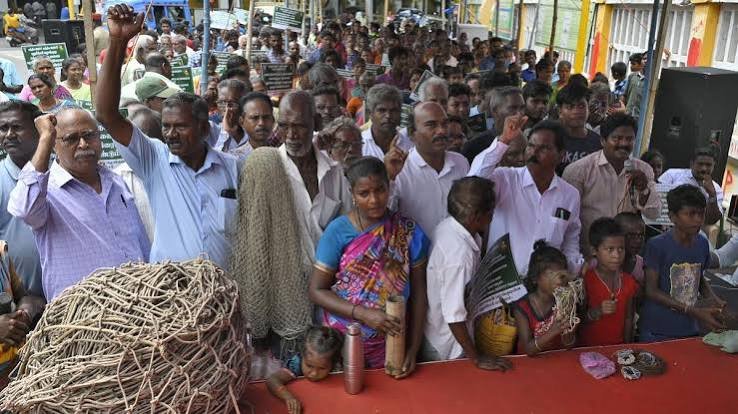
The ST Status Push has gained renewed attention as six indigenous communities resumed peaceful demonstrations demanding Scheduled Tribe recognition. The groups are seeking formal inclusion under the Scheduled Tribe category and have continued their campaign through non-violent public demonstrations.
The demand reflects a longstanding debate over recognition, representation, and access to benefits linked to Scheduled Tribe status. Moreover, any change in official classification requires consideration under the constitutional and legal framework governing Scheduled Tribes.
The renewed demonstrations place pressure on authorities to engage with the communities and examine their demands. However, the available information does not identify the six communities, the locations of the demonstrations, or any specific government response to the latest protests.
Assam Flood Situation Shows Strong Recovery as Impact Eases
ST Status Push Renews Demand for Recognition
The ST Status Push centres on renewed demands from six indigenous communities seeking Scheduled Tribe status.
The communities have chosen peaceful demonstrations to draw attention to their requests. Furthermore, continued public mobilisation indicates that the issue remains important to the groups involved.
Scheduled Tribe recognition can have significant implications for communities seeking greater access to constitutionally provided protections and opportunities.
However, the available information does not provide details about the specific arguments or historical evidence presented by the six communities.
ST Status Push Highlights Constitutional Process
The ST Status Push also raises questions about the formal process required for Scheduled Tribe recognition.
India’s constitutional framework provides a defined process for specifying Scheduled Tribes. Additionally, changes to the official list require consideration through established governmental and parliamentary procedures.
Therefore, community demonstrations alone cannot change a group’s legal classification.
The demands instead seek government consideration and movement through the appropriate constitutional process.
However, the available information does not indicate whether any formal proposal concerning the six communities has recently advanced.
ST Status Push Focuses on Community Representation
The ST Status Push reflects broader concerns about representation and recognition among the communities involved.
Supporters of such demands may view official recognition as an important step toward securing greater representation and access to specific protections. Moreover, recognition can influence eligibility for certain government programmes and reservation-related provisions under applicable laws.
These considerations can make classification issues politically and socially significant.
However, the available information does not specify which particular benefits the six communities are seeking through their demands.
ST Status Push Continues Through Peaceful Demonstrations
The ST Status Push has continued through peaceful public demonstrations.
Non-violent mobilisation allows communities to express their demands while maintaining public order. Furthermore, peaceful demonstrations can create opportunities for dialogue between community representatives and government officials.
The continuation of the protests indicates that the groups want authorities to address their concerns.
However, the available information does not provide the number of participants or the duration of the latest demonstrations.
ST Status Push Puts Focus on Government Dialogue
The ST Status Push could encourage renewed dialogue between community representatives and government authorities.
Government engagement can help clarify the legal requirements, evidence, and administrative steps involved in considering Scheduled Tribe demands. Additionally, transparent communication can help communities understand the status of any proposals under consideration.
Dialogue can therefore play an important role in reducing uncertainty surrounding the issue.
However, the available information does not confirm whether officials have held talks with representatives of the six communities during the latest demonstrations.
ST Status Push Raises Questions About Documentation
The ST Status Push also highlights the importance of evidence and documentation in classification decisions.
Authorities may consider historical, social, cultural, demographic, and other relevant factors when examining claims for Scheduled Tribe recognition. Moreover, formal assessment requires established procedures rather than relying solely on public demonstrations.
Documentation can therefore form an important part of any official review.
However, the available information does not identify the evidence submitted by the six communities.
ST Status Push Could Affect Regional Politics
The ST Status Push may also influence political discussions in the region if the campaign continues.
Community recognition demands can involve questions of representation, reservation, resources, and competing social interests. Furthermore, political parties and elected representatives may face pressure to respond to the concerns raised by participating communities.
The issue could therefore remain part of wider public debate.
However, the available information does not identify any political party’s position on the renewed demonstrations.
ST Status Push Highlights Need for Legal Clarity
The ST Status Push reinforces the importance of clear information about the recognition process.
Communities seeking Scheduled Tribe status need to understand which authorities assess their claims and which constitutional procedures apply. Additionally, clear timelines and official communication can help prevent confusion about the progress of a demand.
Legal clarity can support informed public discussion.
However, the available information does not provide a specific timeline for resolving the demands.
ST Status Push Could Continue if Demands Remain Unresolved
The ST Status Push may continue if authorities do not provide a clear response to the communities’ demands.
Peaceful demonstrations can remain a means of maintaining public attention while representatives seek formal engagement. Moreover, continued mobilisation can encourage authorities to review the concerns and communicate the next steps.
The future course of the campaign will depend partly on government engagement.
However, no information confirms whether additional demonstrations have been scheduled.
ST Status Push Keeps Recognition Debate Active
The ST Status Push has brought the question of Scheduled Tribe recognition back into public focus.
The renewed demonstrations show that the six communities continue to seek formal recognition through constitutional and administrative channels. Furthermore, any decision would need to follow the applicable legal framework and consider the relevant evidence.
The issue therefore involves both community mobilisation and formal government processes.
However, the available information does not indicate whether the latest demonstrations have resulted in any new official decision.
Conclusion
The ST Status Push has gained renewed attention as six indigenous communities continue peaceful demonstrations demanding Scheduled Tribe recognition. Their campaign seeks formal consideration of their demands and greater attention from government authorities.
Moreover, Scheduled Tribe recognition involves established constitutional and legal procedures, meaning that any change in status must move through the appropriate official process. However, the available information does not identify the six communities, provide details of their demonstrations, or confirm a government decision on their demands.
Overall, the ST Status Push keeps the issue of community recognition and representation in public discussion. Continued peaceful dialogue, transparent procedures, and clear communication from authorities will remain important as the demands move through the relevant process.
FAQs
1. What is the ST Status Push?
The ST Status Push refers to renewed peaceful demonstrations by six indigenous communities demanding Scheduled Tribe recognition.
2. How many communities are involved?
The campaign involves six indigenous communities, according to the information provided.
3. What are the communities demanding?
They are demanding formal Scheduled Tribe status and recognition under the applicable constitutional framework.
4. Can demonstrations directly grant Scheduled Tribe status?
No. Public demonstrations can highlight demands, but formal recognition must follow the applicable constitutional and legal procedures.
5. Has the government approved the demand?
The available information does not confirm any government approval or final decision regarding the demands.